
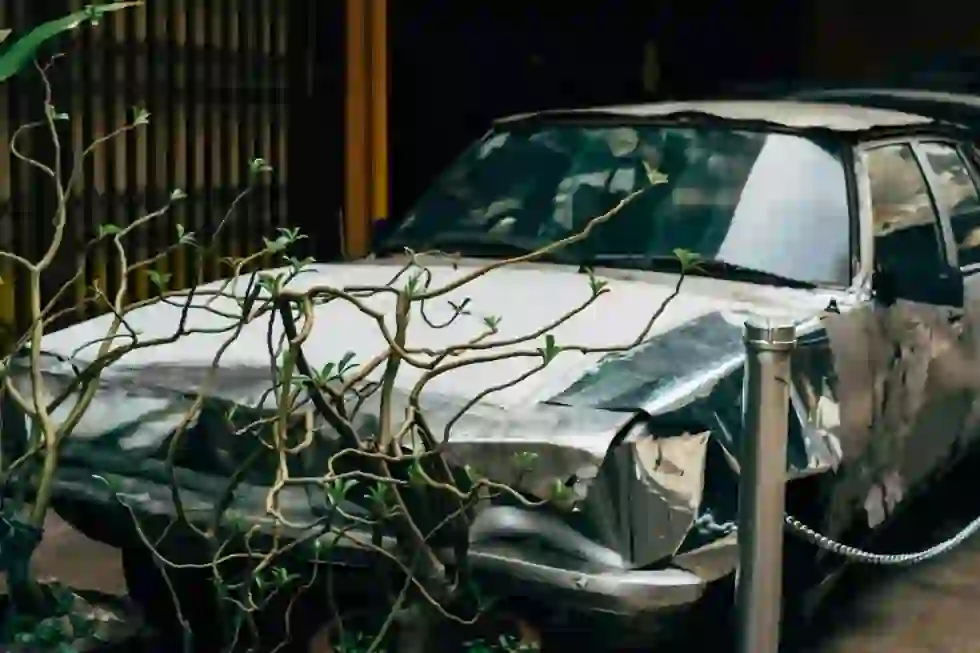
The best way to get the most money for a junk car is to know your vehicle’s metal weight, pull high-value components before handing it over, collect competing quotes, and sell when scrap metal markets are strong. Even a completely dead, rusted-out car sitting in your driveway holds real dollar value; the gap between an unprepared seller and an informed one can easily be $300 to $1,000 or more.
Before you act on any of that, it helps to understand exactly how scrap yards calculate your car’s value in Ontario, the five factors they use, the real dollar ranges, and what drives the difference between a low offer and a fair one.
This guide gives you a tactical, step-by-step action plan to maximize your payout in the Greater Toronto Area and across Ontario, whether you’re scrapping a compact sedan or a full-size pickup truck.
How Do Scrap Yards Calculate Your Car's Value?
Before you start searching for who gives the most cash for junk cars, you need to understand how buyers actually price your vehicle. There are two distinct models at play:
Weight-Based Pricing (Meta Value)
This is the most common method. Buyers assess the weight of your car in scrap metal and multiply it by the current scrap metal prices for cars in your region. In Ontario as of early 2026, auto body steel fetches approximately CAD $0.10 to $0.15 per pound, while aluminum components range from CAD $0.25 to $0.60 per pound depending on grade. A standard passenger car weighing around 3,000 lbs generates a steel baseline payout of roughly $300 to $500 before any parts are factored in.
Also Read: How Much Can You Get for Scrapping a Car in Toronto?
Parts-Based Pricing (Recycler Value)
Auto Recyclers go further. They evaluate which components can be resold- engine, transmission, catalytic converter, wheels, battery and factor those values into a significantly higher offer. If you want the full breakdown of exactly how junk car buyers make money off your vehicle — parts, scrap steel, and catalytic converters — see our complete profit guide. This is why a dedicated auto recycler typically outpays a basic scrap yard by 30% to 60%. See exactly how junk car buyers make money when they buy your car for the full profit breakdown
Not sure how much a scrap car is worth before you make your first call? Use our free scrap car value calculator to get a quick baseline estimate based on your vehicle’s own details before negotiating. The most important rule: get at least three to five competing quotes before committing to any buyer.
Curious exactly how that math works out for the buyer? See how junk car buyers actually make money when they buy your car.
Also Read: How Do Junk Car Buyers Determine The Value of a Vehicle? (Toronto Guide, Updated 2026)
The Most Valuable Parts to Remove Before Scrapping
Understanding what parts to take off a car before scrapping is where informed sellers make the most ground. Here are the most valuable parts on a scrap car, ranked by typical market impact:
- Catalytic Converter: This is your single biggest opportunity. It contains platinum, palladium, and rhodium. In 2026, catalytic converter scrap values range from $50–$600 for standard cars and SUVs, with hybrid converters reaching $800–$1,500. Sell it separately to a specialist buyer rather than including it in a whole-car offer.
- 12V Battery: A working lead-acid battery sells for $20–$50 on Kijiji or Facebook Marketplace. Hybrid or EV packs can fetch hundreds more.
- GPS and Infotainments Unit: Aftermarket navigation systems and branded audio units are worth $50–$300 depending on brand and condition.
- Alloy or Aftermarket Rims: A set of decent alloy wheels typically sells for $100–$400 from local buyers.
- Undeployed Airbags — Body shops will pay $50–$150 per unit for OEM airbag modules.
- Functional Tires — Usable tires sell individually for $25–$75 each.
Maximizing the sale price is only one consideration; sellers who part out vehicles should also understand the tax implications of selling a junk car or its parts
Pro Tip: Always confirm with your buyer that they still accept partial vehicles before removing anything. Some cash-for-cars services deduct missing part value from their quote; others require the car to be complete.
Also Read: What are the most expensive parts of a scrap car?
You can also choose to sell the car for parts entirely through platforms like Kijiji, Facebook Marketplace, or Auto Trader Parts. This approach takes more time and mechanical effort, but consistently delivers the highest total return for mechanically capable sellers.
Also Read: What Factors Affect The Price Offered For a Junk Car?
Donate Car vs. Scrap: Which Is the Better Move?
The donate car vs. scrap question comes down to your tax situation. Charitable donation programs in Canada issue tax receipts based on fair market value, potentially more beneficial than a cash payout if you are in a higher income bracket. For non-running or high-mileage vehicles, however, scrapping to a parts-aware buyer almost always wins on raw cash value.
Also Read: What services offer instant cash for scrap cars in Canada?
4 Steps to Prepare Your Junk Car for the Scrap Yard
Step 1: Get Your Paperwork Ready
Do you need a title to scrap a car in Ontario? Yes, in most situations. The province requires a signed Vehicle Ownership Certificate (the green slip) and valid government-issued photo ID to legally transfer the vehicle. If your title is missing, ServiceOntario can issue a replacement, or your buyer may accept a statutory declaration under limited circumstances. After the transfer, notify the Ministry of Transportation Ontario (MTO) to remove the vehicle from provincial records
For the exact steps involved in that handover, see our guide on how to legally transfer ownership of a scrap vehicle in Ontario.
See our full breakdown of how to deregister your car in Ontario to make sure nothing is missed
Also Read: Can You Scrap a Car Without Proof of Ownership in Ontario?
Step 2: Remove Plates and Clear the Interior
Will a scrap yard take a car full of trash? Technically, most will but some deduct a cleaning fee, and others may refuse pickup if the car is excessively loaded. Clear out personal belongings before your appointment, and remove your license plates. Ontario law requires you to return plates to ServiceOntario or transfer them to another vehicle to avoid future liability.
Also read: here’s exactly what to do if your license plate is lost, stolen, or damaged in Ontario
Step 3: Pull High-Value Components
Work through the parts list in the previous section. Even pulling just the catalytic converter before pickup can add $100 to $500 to your total return, often in under 30 minutes with basic tools.
Step 4: Compare Offers and Audit for Hidden Fees
For the full step-by-step process — including a downloadable comparison table — see how to compare quotes for scrap car removal services online. When reviewing quotes, always ask directly: Are there hidden fees when scrapping a car? Common deductions to watch for include towing surcharges, fuel levies, documentation fees, and “condition adjustment” reductions that appear only at the time of pickup. Reputable services like Scrap Car Buyer Toronto include free towing for junk cars in their offer with no surprise deductions. For a same-day, no-obligation quote across the GTA, visit Scrap Car Removal Toronto. Pricing is based on current Ontario scrap metal market rates and your vehicle’s specific condition.
Also Read: How to prepare a scrap car for selling to a salvage yard?
Junkyard vs. Auto Recycler: Who Pays More?
The scrap yard vs. junkyard distinction is one of the most misunderstood parts of the process. Here is a direct breakdown:
| Feature | Basic Scrap Yard / Junkyard | Auto Recycler / Cash-for-Cars Service |
|---|---|---|
| Pricing Method | Metal weight only | Weight + resalable parts |
| Average Payout | $100 – $300 | $300 – $5,000+ |
| Free Towing Included? | Rarely | Almost always |
| Paperwork Handled? | Sometimes | Almost always |
| Pickup Speed | 2–5 business days | Same day to 24 hours |
| Best For | Stripped, heavily damaged vehicles | Intact or partially complete cars |
See how private marketplace sales stack up against both
For most GTA vehicle owners, a dedicated cash for cars near me service will deliver the best price for non-running cars by a meaningful margin, particularly if your vehicle still has its drivetrain, catalytic converter, and wheels intact. Get a real-time offer at Junk Car Removal Toronto to see exactly what your vehicle is worth under current Ontario market conditions.
For a full checklist on vetting buyers, see: How to choose the best scrap car removal company in Toronto.
Also Read: junk car buying service vs. a scrap yard
Red Flags: How to Avoid Cash-for-Cars Scams
The cash for cars near me space has reputable operators and bad actors operating side by side. Protect yourself by watching for these specific warning signs:
- Quote drops at pickup – Any written or verbal quote should be honored. If the buyer suddenly claims your car is worth less when the truck arrives, that is a deliberate tactic. Walk away.
- Upfront processing or admin fees – Legitimate buyers do not charge you to remove your vehicle. All costs belong on the buyer’s side.
- No physical address or OMVIC registration – Ontario auto recyclers must be licensed under the Motor Vehicle Dealers Act and maintain a verifiable business address. Ask for their registration number.
- Pressure to sign documents immediately — Legitimate services give you time to review ownership transfer paperwork. Rushing is a manipulation tactic.
- Unmarked or unbranded tow trucks – Reputable services operate branded vehicles and issue a pickup receipt at the time of collection.
For a licensed, no-surprise service in Toronto and the GTA, get your instant offer at Cash for Scrap Car – a verified buyer with transparent pricing, free towing, and same-day pickup.
Also Read: What are common red flags to watch out for when dealing with vehicle scrap services?
Frequently Asked Questions
Q1. How is the weight of a car in scrap metal calculated?
Scrap buyers reference your vehicle’s curb weight available in the owner’s manual or through a VIN decoder to estimate total metal content. Most standard passenger cars weigh between 2,500 and 4,000 lbs. SUVs and full-size trucks range from 4,000 to 6,500 lbs. Heavier vehicles yield a proportionally higher baseline payout.
Q2. Do you need a title to scrap a car in Ontario?
Yes — Ontario law requires proof of ownership before a licensed yard can accept your car. If your ownership permit is lost, see our full guide on scrapping a car without proof of ownership in Ontario for the exact replacement steps and legal alternatives.
Q3. Will a scrap yard take a car full of trash?
Most buyers will accept a car with belongings inside, but you risk a cleanup deduction. Remove all personal items before pickup to protect both your finances and your privacy.
Q4. What are the hidden fees when scrapping a car?
Common ones include towing surcharges, fuel levies, document processing fees, and “condition adjustment” deductions applied on-site. Always request a full written quote that specifies what is and is not included before agreeing to anything.
Q5. Should I sell car for parts or scrap the whole vehicle?
Parting out a car yourself takes time and space but maximizes total return, particularly for popular models with in-demand OEM components. If you want speed and simplicity, choose a buyer that already factors parts value into their whole-car offer rather than a basic scrapyard that prices only on weight.
Q6. When are current scrap metal prices for cars the highest in Canada?
Spring and early summer, roughly March through June, are consistently the strongest months, driven by ramping construction and manufacturing activity. If timing is flexible, monitoring live rates on ScrapMonster Canada before you sell can add meaningfully to your payout.