
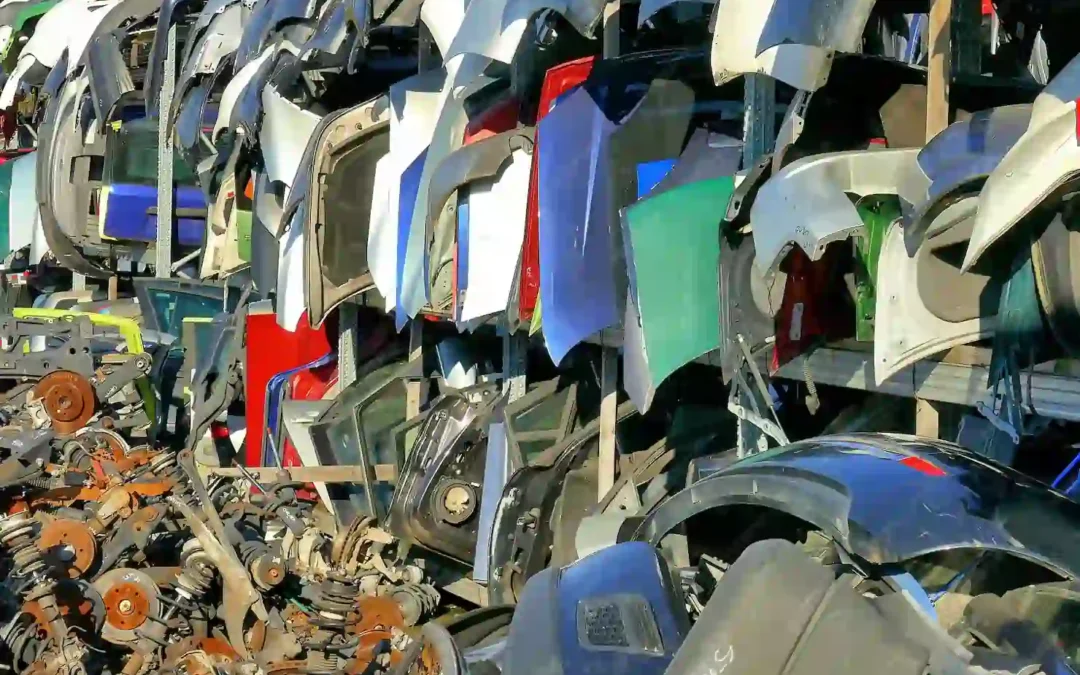
Where it is crushed and shredded, hazardous materials must be removed before destruction. This process is known as vehicle depollution, involves a certified auto recycler draining engine oil, coolant, brake fluid, transmission fluid, and fuel; safely removing the car battery, tyres and refrigerants; and safely disposing of or neutralising airbags and mercury switches in accordance with federal and provincial laws. Even attempting to deal with these materials yourself without the proper equipment is dangerous and illegal in most provinces.
What are the Hazardous Materials in a Scrap Car
Every single vehicle on the road holds a surprising amount of toxic materials. These substances don’t just “go away” when a car reaches the end of its life, they become scrap car hazardous materials that can leach into soil, groundwater, and air if not properly managed.
A single end-of-life vehicle (ELV) may include each of the following ten different categories of hazardous waste:
- Engine oil, transmission fluid, brake fluid and power steering fluid
- Coolant (antifreeze) containing ethylene glycol
- Fuel (gasoline or diesel)
- The CFCs and HFCs used in air conditioning refrigerants
- Lead-acid batteries
- Rubber Tires
- Mercury switches (op: 2003) (trunk, hood, and ABS systems in pre-2003 cars)
- Airbags (classified as explosive devices)
- Asbestos (in old brake pads)
- Catalytic converters containing platinum-group metals
All together, this hazardous vehicle waste poses a grave environmental and public health risk. That is exactly why Canada has created such a solid regulatory framework around it.
The Definition of Vehicle Depollution Canada
End-of-life vehicles in Canada must undergo a process called vehicle depollution, where all hazardous fluids and components are removed before crushing, shredding or dismantling the vehicle for parts.
The standard is the Canadian Auto Recyclers’ Environmental Code (CAREC), which the Automotive Recyclers of Canada (ARC) developed to provide a national/generic best-practice guide for safe and lawful recycling of end-of-life vehicles. Under CAREC, certified recyclers are required to adhere to a documented depollution checklist draining fluids, neutralising explosive components and routing reclaimed materials into approved stewardship programs.
That means you, the car owner, are not responsible for properly disposing of your junker, it’s up to the recycler. It is your responsibility to pass on your car to a CAREC-certified facility.
Breaking Down Each Hazardous Material
Car Battery Disposal
One of the most regulated areas of auto recycling in Canada is how to dispose of car batteries. Lead-acid batteries contain sulfuric acid and heavy-metal lead plates, both of which are acutely toxic if released into the environment. Certified recyclers must remove batteries and place them in dedicated, sealed containers before shipping the units to approved battery recyclers. Electric and hybrid vehicles carry a different type of battery entirely, with its own handling requirements, which certified recyclers must also be equipped for.
Battery deposit-return programs in most provinces help pay for proper processing. Never dispose of a car battery in ordinary waste.
Used Oil Disposal Canada
Used oil disposal in Canada is regulated by both federal and provincial governments. Depollution also includes the separate collection of engine oil, transmission fluid, and brake fluid, which must be recycled in licensed used oil re-refiners or energy recovery facilities. Used oil management programs exist for Ontario, Quebec, and British Columbia (the responsible groups in Quebec are Product Care and Éco Peinture) and these attempt to ensure the recovered used oil is re-refined into lubricants that can be of use, not incinerated or landfilled. Discarding used oil through drains or on the ground is a criminal act under the Canadian Environmental Protection Act.
Tyre Disposal Canada
Tire recycling Canada is regulated by Extended Producer Responsibility (EPR) programs across provinces. Tires from ELVs are stripped off, taken to registered collectors who grind them into crumb rubber for playground cover or fuel-derived products before an ELV is crushed. In Ontario, the compliant tyre recycling program is managed by the Ontario Tire Stewardship (currently in operation via Circular Materials Ontario). All provinces have a sizable fine for dumping tires illegally.
Refrigerant Removal
Most car air conditioning systems are charged with ozone-depleting refrigerants (commonly R-12 in older vehicles) or hydrofluorocarbon refrigerants (R-134a in post-1994 models). Both must be recovered with certified recovery gear before any processing can happen to the vehicle. Under Canadian Environmental Protection Act (CEPA) federal regulations, venting refrigerants into the atmosphere is prohibited.
Mercury Switches
Mercury-tilt switches in convenience lighting and ABS sensor circuits are often found in older vehicles (built before 2003). The program, governed by the Automotive Recyclers of Canada (ARC), assists certified recyclers in finding and removing these switches for safe mercury recovery. This is an important but easily forgotten element of responsible auto recycling in Canada.
Airbags and Asbestos
Undeployed airbags are considered explosive devices, and they have to be deployed in a controlled setting or sent to special disposal facilities. Asbestos-containing brake pads — which are still present in some older imported vehicles, must be disposed of according to stringent Occupational Health and Safety Act (OHSA) protocols before any shearing, crushing or shredding can happen.
Ontario's Regulatory Patchwork: Which Rule Actually Governs Which Material
Most articles on this topic say some version of “used oil disposal is regulated by provincial programs” and leave it there. In reality, there is no single “vehicle recycling law” in Ontario. There are four separate producer-responsibility regulations, each covering a different material, each with its own registration rules, targets, and — as of a set of amendments finalized at the end of 2024 — some genuinely new obligations that most existing articles on this subject haven’t caught up with yet.
All four fall under the Resource Recovery and Circular Economy Act, 2016 (RRCEA) and are enforced by the Resource Productivity and Recovery Authority (RPRA) — the provincial authority that took over from the old stewardship-fee model when Ontario Tire Stewardship’s Used Tires Program wound up on December 31, 2018.
| Material | Governing Regulation | Who’s Financially Responsible | Recent Change |
|---|---|---|---|
| Tires | Tires Regulation, O. Reg. 225/18 | Tire producers, through a registered collection network | Individual producer responsibility took over from the old single stewardship fee on January 1, 2019. |
| Batteries (lead-acid & other) | Batteries Regulation, O. Reg. 30/20 | Battery producers/importers | The 50% management target deadline was extended from 2025 to 2030 in the late-2024 amendment round. |
| Antifreeze, oil filters, oil containers | Hazardous and Special Products (HSP) Regulation, O. Reg. 449/21 | The fluid/filter producer — and, as of January 1, 2025, vehicle brand holders, importers, and marketers are now also obligated for the antifreeze and oil filters supplied in new vehicles sold in Ontario. | New vehicle-brand-holder obligation took effect January 1, 2025 (2025 supply reporting deadline was July 31, 2025); collection and management duties phase in starting January 1, 2026. |
| Motor oil itself | Handled through licensed used-oil haulers and re-refiners, separately from HSP-designated filters and containers | Recyclers/haulers, under provincial waste-management rules | — |
Two things in that table are worth sitting with for a second, because they’re the parts every generic “used oil disposal Canada” article glosses over:
1. “Used oil” and “HSP materials” are legally two different things. The motor oil itself is a used-oil waste stream. The oil filter it came out of, and the container it was shipped in, are HSP-designated materials under O. Reg. 449/21 — a completely separate regulatory track with its own producers, its own registration requirements, and its own targets.
2. The January 1, 2025 amendment is a real shift in who’s on the hook. Before this change, antifreeze and oil-filter obligations sat with the companies that made or supplied the fluid/filter. Now, vehicle brand holders, importers, and marketers carry that obligation for the antifreeze and filters that ship inside new vehicles — a detail that’s barely made it into consumer-facing content yet, because it’s genuinely new.
When Depollution Never Happens: Why Title Branding Changes Everything
Here’s the mechanism. When an insurer declares a vehicle a total loss, it doesn’t just disappear into a scrapyard — it gets assigned a title brand that determines its legal future. In Ontario, that’s generally one of three outcomes:
- Salvage — the damage is significant, but the vehicle is repairable. A rebuilder can legally buy it, repair it, pass a structural inspection, and put it back on the road with a “rebuilt” brand. No depollution occurs, because the vehicle is never destroyed.
- Rebuilt — the vehicle has already gone through that repair-and-inspection process and is now legally drivable again.
- Non-repairable (sometimes still called “irreparable”) — the vehicle can never be re-registered for road use under any circumstances. This is the only brand that forces the full depollution path: fluids drained, hazardous components removed, and — if it’s truly being destroyed — a Certificate of Destruction issued.
That means “I sold my written-off car to a scrapper” doesn’t automatically mean the depollution process this article describes actually happened. If the buyer is a rebuilder rather than a destruction facility, the car may re-enter the road with its original fluids, battery, and airbags still in place — which isn’t a compliance failure; it’s simply a different legal outcome for a salvage-branded vehicle.
Why two visually identical wrecks pay differently. This is also why two similar-looking write-offs can get very different offers. A non-repairable vehicle is valued for its recoverable metal and parts, priced against the depollution and dismantling cost. A salvage vehicle a rebuilder wants is valued against what it’ll be worth back on the road, minus repair cost — a completely different calculation that has nothing to do with hazardous-materials handling at all.
What to verify as a seller. If keeping your vehicle out of circulation matters to you — because of safety concerns, structural damage you know about, or simply wanting it destroyed rather than resold — ask your buyer directly:
- Is this vehicle being scrapped/destroyed, or resold as a rebuild?
- Will a Certificate of Destruction be issued, and can I get a copy?
- Is the facility itself the end processor, or are they a broker passing the vehicle along?
The Export Loophole: Where Ontario's Rules Stop Applying
This follows directly from the title-branding reality above, and it’s the part of the process that requires actual exposure to the salvage side of the industry rather than reading a regulation — because no government webpage describes it this plainly.
Insurance total-loss vehicles are frequently sold through salvage auctions, where buyers include export brokers who ship vehicles — or just their high-value parts — out of province or out of the country entirely. That can happen before any Ontario-based recycler has touched the vehicle.
Why this matters legally: Ontario’s depollution and processing rules — O. Reg. 85/16 and O. Reg. 347 among them — govern facilities operating within Ontario. They have no reach over a vehicle once it’s exported whole. The province can regulate what happens inside its licensed processing facilities; it can’t regulate what happens to a vehicle after it legally crosses a border.
What this looks like in practice: a “cash for any car” buyer isn’t necessarily the end of the line. In some cases, they’re the first link in a chain that runs through a salvage auction to an export broker to a buyer in another market entirely — and the depollution process this article describes never happens in Ontario, because the vehicle never stays in Ontario long enough to be processed here.
How to tell a local depolluting recycler from a broker/reseller: ask directly where the vehicle physically goes next once it leaves your driveway, and ask for documentation — a Certificate of Destruction if it’s being destroyed, or a clear statement that it’s being resold if it isn’t. A facility that operates its own on-site depollution bay can usually answer this without hesitation; a pure broker often can’t, because they genuinely don’t control what happens after the sale.
Car Scrapping Ontario Regulations
Ontario has one of the most comprehensive legislative frameworks in Canada for management of vehicle end-of-life. Ontario Car Scrapping regulations are governed primarily by:
- Ontario Regulation 85/16 – Part II Registrations. 2 of the Environmental Protection Act for End-of-Life Vehicle waste disposal sites.
- Ontario Regulation 347 – General Waste Management Regulation, which categorizes hazardous waste and how it needs to be handled
- Ontario Regulation 245/11 – Environmental Activity and Sector Registry (EASR) requirements for ELV processors
Under these rules, no one can crush, shear, or shred an ELV unless all the designated hazardous materials fluids, batteries, and tires, as well as mercury switches – have been extracted and documented first. Treatment Facilities must register with the Ministry of the Environment and keep detailed and updated lists of all materials removed, along with their disposal pathways.
Also Read: What are the Regulations for Scrapping Vehicles In Ontario?
Hazardous Materials at a Glance
| Hazardous Material | Risk if Mishandled | Disposal Method | Governing Regulation |
|---|---|---|---|
| Coolant (Antifreeze) | Toxic to animals and humans | Certified fluid recovery facilities | CEPA, Provincial Regs |
| AC Refrigerant | Ozone depletion, climate impact | Certified refrigerant recovery equipment | CEPA – Section 100+ |
| Tires | Fire hazard, leaching chemicals | Licensed tire stewardship programs | Provincial EPR Programs |
| Mercury Switches | Neurotoxin – 1 switch = harm to fish habitat | Switch Out Program (ARC) | CEPA, Provincial |
| Airbags | Explosive risk | Controlled deployment or specialist disposal | OHSA, Federal |
| Asbestos Brake Pads | Carcinogenic fibres | Licensed asbestos waste handlers | OHSA, Reg 347 (ON) |
Myth vs. Reality: What "Certified Recycler" Actually Means
| Myth | Reality |
|---|---|
| “CAREC certified” is a government license | CAREC (the Canadian Auto Recyclers’ Environmental Code) is the Automotive Recyclers of Canada’s own environmental standard. It’s mandatory for member facilities of an ARC-affiliated provincial association and is audited by a third party — but it’s an industry-association requirement, not a government permit. |
| Any scrapyard can legally crush your car | Only facilities registered under Ontario’s Environmental Activity and Sector Registry (EASR), per O. Reg. 245/11, may legally process, crush, or shred an end-of-life vehicle. That registration — not CAREC membership — is the actual legal gate. |
| “Free” hazardous-material disposal costs nobody anything | Programs for tires, batteries, and HSP materials are funded through Extended Producer Responsibility (EPR) — producers pay into the system, not the government or the consumer directly. That cost structure is quietly baked into what a recycler can afford to pay for your car. |
| These are all municipal programs | Since Ontario’s 2018–2026 transition to individual and shared producer responsibility, most of these streams are producer-funded and RPRA-regulated, not run by your city. |
| My legal responsibility ends the moment the tow truck leaves | Not automatically. Proper deregistration with the MTO and holding onto a bill of sale or Certificate of Destruction matter independently of how “certified” the recycler calls itself — see the ownership-transfer and deregistration steps covered later in this guide. |
Also Read: How to Choose the Best Scrap Car Removal Company in Toronto
How to Choose a Certified Auto Recycler in Canada
Junkyards do not all function the same. So, when searching for responsible auto recycling Canada, here is what you need to know:
✅ CAREC Certification – guarantees that the recycler respects national depollution standards
✅ Registration at the provincial level – this is a requirement in Ontario, where recyclers must be registered under the Environmental Activity and Sector Registry (the EASR)
✅ Removal of fluids has been documented, ask for a de-pollution checklist or certificate.
✅ Transparent pricing — a responsible recycler will pay you fairly for your vehicle
All vehicles are dealt with licensed professionals at Scrap Car Buyer Toronto that comply with all federal and provincial environmental regulations. (Hint: Whether you require scrap car removal Toronto or full junk car removal Toronto service, rest assured your vehicle’s harmful substances are disposed of properly, not dumped.) And even better, you can receive cash for your scrap car while helping the environment.
Fluid Segregation Economics — Why "Free" Depollution Isn't Actually Free
Drain → Segregate → Contain → Route
1. Drain. Every fluid — engine oil, transmission fluid, brake fluid, coolant — comes out of the vehicle through its own dedicated line.
2. Segregate. Each fluid goes into its own labelled, colour-coded container. This step is the whole ballgame.
3. Contain. Seal full containers and store them on an impermeable surface until pickup.
4. Route. Clean, single-stream fluids go to the appropriate re-refiner or recovery facility; anything mixed goes to hazardous-waste disposal instead.
Why segregation is the entire economic hinge: if engine oil gets mixed with coolant or brake fluid — even accidentally — the entire batch is reclassified as contaminated hazardous waste instead of a recoverable commodity. That’s not a rounding error. Clean used oil is typically picked up at low or no cost by a re-refiner who can still turn it into usable lubricant. A contaminated mixed-fluid batch, by contrast, can cost real disposal fees per litre. One containment mistake flips a line item from revenue to expense.
Expert note: this is why disciplined facilities invest in dedicated drain lines and colour-coded containers per fluid type, and train staff specifically on segregation — not because an inspector is standing over their shoulder, but because a single mixed batch can wipe out the margin on several vehicles’ worth of fluid recovery in one afternoon.
What this means for your payout. This is the part most sellers never connect: a facility with clean, disciplined segregation isn’t absorbing hazardous-waste penalties the way a sloppier operation is — which means it has more margin to work with, and can often offer more competitive quotes as a direct result. “Certified recyclers tend to pay more” isn’t marketing language. It’s a downstream consequence of operational discipline in a part of the process most customers never see.
Where this gets hard at scale. For a single bay, segregation discipline is a training issue. Across multiple staff, shifts, or locations, it becomes an SOP and quality-control problem — the same fluid-handling mistake repeated at a second site multiplies the cost rather than doubling it, since each facility’s contaminated batch is billed separately. It’s the kind of operational detail that separates a facility that’s actually run this way for years from one that’s simply printed “certified” on its website.
Conclusion
In Canada, a car does not simply get tossed in the junkyard; scrapping a vehicle is an environmental responsibility that is regulated. From car battery disposal, used oil disposal Canada to tire disposal Canada and refrigerant recovery; every hazardous material in your vehicle can become harmful if not handled properly by a certified professional that is compliant with strict car scrapping Ontario legislation and national CAREC regulations.
The proper junk car disposal defends your community’s water, soil and air and you don’t even need to spend a dime. In fact, with an accredited certified recycler, you go home with cash in hand. Make the responsible decision, select a CAREC compliant, provinceally licensed auto recycling Canada partner and make certain that your vehicle’s harmful car waste never endangers the earth it travelled across.
Frequently Asked Questions
Q1. Can I remove the hazardous materials from my own car before I scrap it?
Although certain tasks like taking out a car battery can be done safely by a careful owner with suitable protective equipment, other hazardous materials (refrigerant, airbags, mercury switches) legally need certified compliant professionals. Additionally, Canadian law requires that you use a CAREC-certified recycler for the full depollution process.
Q2. What do I do if a scrap yard does not dispose of hazardous materials correctly?
Junk cars are a huge environmental hazard when not disposed of properly, they can lead to contaminated groundwater, polluted soil and toxic runoff. Provincial Environmental Protection Acts prescribe heavy fines and shutting down of the facility to such an operator. Sourcing from an uncertified facility also opens you up to liability.
Q3. Does the disposal of used oil in Canada cost consumers anything?
In most provinces, yes. A certified recycler also provides free disposal of used oil when you drop off a car. Provincial stewardship programs pay for the collection and re-refining process with fees charged on new oil sales.
Q4. Are tire disposal fees included when I scrap a car in Canada?
Typically, yes. Part of their registered process is tire disposal Canada by CAREC-recyclers. The tires are removed, sent to provincial tire stewardship programs and crushed. If you scrap a complete vehicle at an accredited facility, there should be no additional tire disposal charge.
Q5. What is vehicle depollution and is it required in Ontario?
Canadian vehicle depollution is the removal of all toxic fluids and components from an end-of-life vehicle before it gets crushed or shredded. In Ontario, O. Reg. 85/16 and O. Reg. 347 of the Environmental Protection Act. Without this step first no certified facility is permitted to process a vehicle.
Q6. What are the consequences of illegally scrapping automotive hazardous materials in Canada?
What is the punishment for violating ones? For instance, the illegal disposal of hazardous car waste may be punishable with fines of up to $6 million per day for corporations and up to 1 million dollars per day for individual offenders, as well as potential imprisonment for repeat offenders, under Ontario’s Environmental Protection Act.
Q7. Is CAREC certification the same as a government license to scrap cars in Ontario?
No. CAREC (the Canadian Auto Recyclers’ Environmental Code) is an industry standard maintained by the Automotive Recyclers of Canada and audited for member facilities. The actual legal requirement to crush, shred, or process an end-of-life vehicle in Ontario is registration under the Environmental Activity and Sector Registry (EASR), per O. Reg. 245/11 — a separate, government-administered registration.
Q8. If I sell my written-off car, does it automatically get depolluted?
Not necessarily. That depends on the title brand your insurer assigns. A non-repairable vehicle must go through full depollution before destruction. A salvage-branded vehicle can legally be purchased by a rebuilder, repaired, and put back on the road — in which case depollution never happens, because the vehicle is never destroyed.
Q9. Can a scrap car be exported out of Ontario before it's depolluted?
Yes. Ontario’s depollution regulations govern facilities operating within the province — they don’t follow a vehicle once it’s legally exported. Some total-loss vehicles are sold through salvage auctions to export brokers before any Ontario recycler processes them. If local, responsible disposal matters to you, ask your buyer directly where the vehicle goes next and whether they’re the end processor or a broker.
Q10. Why do some certified recyclers pay more for scrap cars than others?
Partly because of how disciplined their fluid-handling process is. Facilities that keep fluids fully segregated (never mixing oil, coolant, and brake fluid) can send clean used oil to a re-refiner at little or no cost — while contaminated, mixed batches must go to hazardous-waste disposal at real expense per litre. Recyclers who avoid that cost through good segregation practices typically have more margin to offer a competitive quote.
Related Posts
Title Jumping in Ontario: What Every Car Seller Needs to Know
Table of Contents What Is Title Jumping? Is Title Jumping Illegal? Is It a Crime? How to Properly Transfer Car Ownership in Ontario What Happens If You Don\'t Transfer Ownership If the Seller Won\'t Transfer the Title How to Report Suspected Title Jumping or Fraud How to Avoid Title Jumping…
Vehicle Bill of Sale Ontario: Why It’s Important & How to Get One
Table of Contents What Is a Vehicle Bill of Sale? Why a Bill of Sale Is So Important in Ontario Ontario\'s Legal Requirements Where to Get a Bill of Sale in Ontario How to Write a Bill of Sale for a Vehicle Bill of Sale vs. Car Sale Purchase Agreement…
The Certificate of Destruction: Your Legal Proof When a Car Is Scrapped
Table of Contents What is a certificate of destruction? Why Do You Need a Certificate of Destruction? Certificate of Destruction in Ontario: RPRA vs. EASR Do I Need a Certificate of Destruction to Scrap My Car in Ontario? What Documents Do I Need to Scrap My Car in Canada? What…

Free Ontario Used Vehicle Bill of Sale Template (2026)
Table of Contents What Is a Bill of Sale, and Do You Actually Need One in Ontario? What has to be on a Used Vehicle Bill of Sale As-Is vs. Certified - Which Box Do You Check? How to Fill Out a Used Vehicle Bill of Sale Not Selling Privately?…
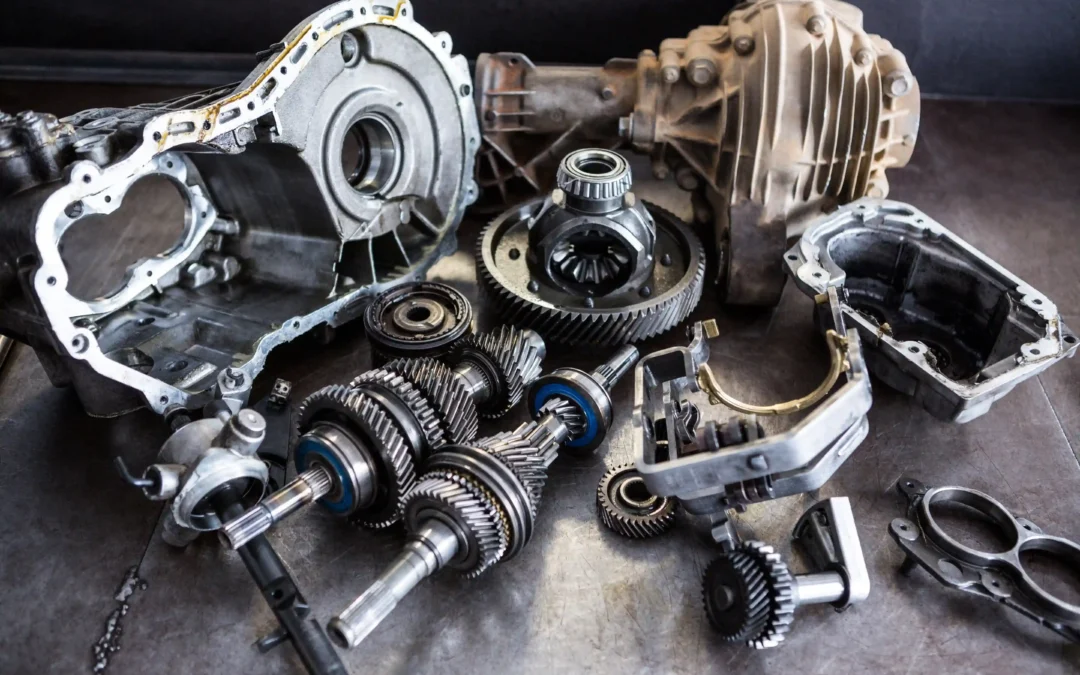
What Is a Scrap Transmission Worth in Canada?
Table of Contents How Much Is a Transmission Worth for Scrap in Toronto? Scrap Transmission Price Per Pound in Ontario Aluminum vs. Steel Transmission Scrap Price Automatic vs. Manual vs. CVT Scrap Value How Much Do Transmissions Weigh? Scrap Value vs. Transmission Cost What Affects the Price? Where to Sell…
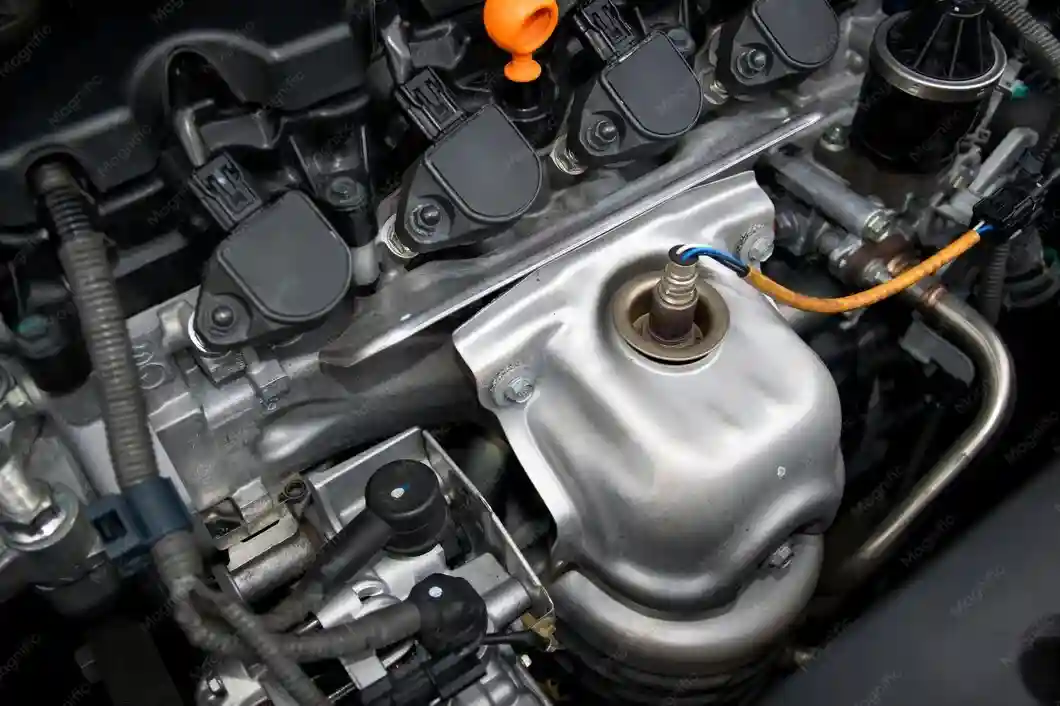
What Is an Electric Motor from a Scrap Car Worth in Canada?
Table of Contents How Much Is an Electric Motor from a Scrap Car Worth Right Now? Car With a Blown Motor vs. Selling Electric Parts Separately What Actually Drives Electric Motor Scrap Prices Electric Motors Found in a Car — and What Each One Is Worth Who\'s Asking This, and…
Catalytic Converter Theft Is Hitting Toronto Hard — What to Do If Yours Is Targeted
Table of Contents Why Toronto Is a Hotspot for Catalytic Converter Theft How to Tell If Your Catalytic Converter Was Stolen Will your car start if someone steals your catalytic converter? What should I do if someone steals my catalytic converter? Why Catalytic Converters Are Stolen (And What Thieves Do…

Where to find customer reviews for scrap car parts retailers in Canada?
Table of Contents Why Review Research Matters Before You Sell to a Scrap Yard Best Websites to Read Scrap Yard Reviews Are Google Reviews Reliable for Auto Salvage Yards? Is BBB Good for Checking Scrap Car Buyers? How Do I Know If a Scrap Yard Is Legit? What to Look…
The “Bait-and-Switch” Scrap Car Scam Costing Toronto Drivers Hundreds
Table of Contents What Is a Bait-and-Switch Scrap Car Scam? How It Actually Plays Out Why the Price Drops on Arrival Is It Legal for a Buyer to Change the Price at Pickup? Licensed vs. Unlicensed Scrap Car Buyer in Toronto What Actually Determines a Fair Scrap Value Signs of…
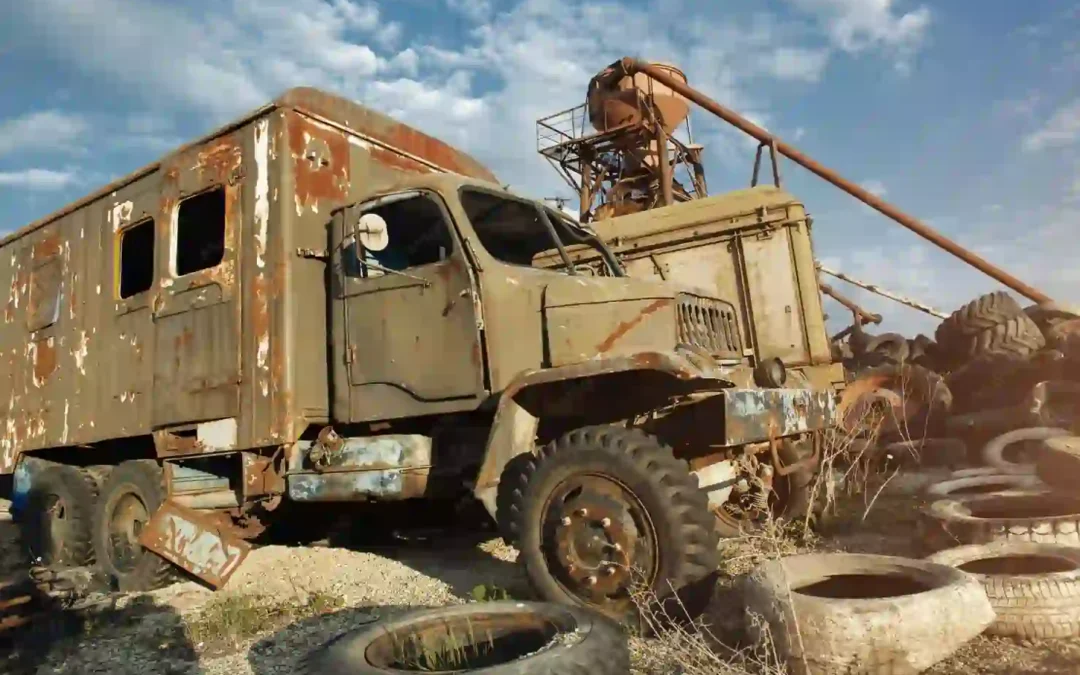
Are there specific requirements for scrapping a larger commercial vehicle?
Table of Contents What Counts as a \"Larger Commercial Vehicle\" in Ontario? Requirements for Scrapping a Commercial Vehicle How to Scrap a Commercial Vehicle in Ontario: Step by Step Documents Needed to Scrap a Commercial Vehicle Difference Between Scrapping a Car and a Commercial Vehicle Can a Business Scrap a…