
Yes, licensed scrap car buyers in Toronto do handle electric and hybrid vehicles, including Teslas, Priuses, and other EVs. As of 2024, electric vehicles account for over 10% of new car sales in Canada, meaning end-of-life EV disposal is a fast-growing need that reputable Toronto scrap services are now fully equipped to meet (Natural Resources Canada). For example, a Toronto homeowner with a 2018 Nissan Leaf that suffered battery degradation can contact a licensed scrap car removal company, get a free quote within minutes, and have the vehicle towed away battery and all on the same day. You do not need to remove any components yourself; the licensed recycler handles everything from high-voltage battery extraction to ServiceOntario paperwork.
What Makes EVs & Hybrids Different to Scrap?
If you want to scrap an electric car in Toronto, it is important to understand that the process is not identical to scrapping a gas-powered vehicle. Electric and hybrid cars contain components that require certified handling and not every yard is equipped to do it safely.
Here is what sets EVs and hybrids apart:
High-voltage battery packs – Lithium-ion or nickel-metal hydride batteries can store lethal charge even after the vehicle is disabled and must be removed only by trained technicians
Advanced electronics – Inverters, regenerative braking systems, onboard chargers, and motor controllers require specialist dismantling tools
Lightweight materials – Aluminium, carbon fibre, and advanced plastics need more labour-intensive sorting than a typical steel-body vehicle
Hazardous fluids – Battery electrolyte, coolant, and brake fluid must be drained and disposed of under Ontario’s environmental regulations
Dangerous goods transport rules – High-voltage lithium-ion batteries are classified as dangerous goods in Canada, requiring special packaging and permits to transport
Because of these factors, Ontario scrap car regulations for electric vehicles require that only licensed, certified facilities process end-of-life EVs. Look for recyclers operating under the Canadian Auto Recyclers Environmental Code (CAREC), which mandates proper battery handling, fluid removal, and responsible material recovery.
Myth vs. Reality: What "CAREC-Certified" Actually Guarantees
CAREC certification is not a government licence — it’s a voluntary industry code, and mixing the two up can cost you when you’re choosing who to trust with your vehicle.
| Myth | Reality |
|---|---|
| CAREC certification is legally required to scrap a car in Ontario | CAREC is not mandated by any specific law or regulation. It’s a voluntary code developed by the Automotive Recyclers of Canada (ARC), and facilities are certified through independent third-party audits — not government licensing. |
| “Licensed” and “CAREC-certified” mean the same thing | “Licensed” refers to the environmental and business permits a facility is legally required to hold to operate at all. CAREC is a separate, voluntary environmental-practice audit. A recycler can be completely legal without being CAREC-certified. |
| CAREC certification confirms a yard can handle EV battery packs safely | CAREC covers general end-of-life vehicle practices — fluid drainage, containment, disposal. It is not an EV-specific or high-voltage battery credential. If EV handling matters to you, ask directly about high-voltage training rather than relying on the CAREC label alone. |
| Every trustworthy scrap company advertises CAREC certification | Because the program is voluntary, plenty of legitimate, well-run recyclers simply aren’t CAREC-audited members. Its absence isn’t automatically a red flag — it’s one signal to check alongside the facility’s actual environmental permits. |
What to actually check before booking: ask for the company’s environmental permit or business licence number, ask a direct question about EV/high-voltage battery training, and ask what happens to the battery once it’s removed (a company that can answer this clearly usually knows what it’s doing).
How to Scrap a Hybrid or Electric Car in Ontario
Knowing how to scrap a hybrid car in Ontario or a full EV is straightforward when you work with the right company. Scrap Car Buyer Toronto makes the process simple and handles every step:
Step 1 – Get a Free Quote
Call or submit an online form. Provide the year, make, model, and condition of your vehicle. Most companies deliver a no-obligation quote within minutes. For a hassle-free experience, use a trusted scrap car removal Toronto service that explicitly accepts electric and hybrid vehicles.
Step 2 – Prepare Your Documents
Gather the following before pickup day:
- Vehicle ownership (green card)
- Valid government-issued photo ID
- Insurance documents (optional but recommended)
- License plates (to be returned to ServiceOntario)
Also Read: What documents do I need to scrap my car legally in Canada?
Step 3 – Schedule Free Pickup
A licensed tow truck arrives at your home, driveway, or parking space your car does not need to be running. The driver loads the vehicle at no cost to you.
Step 4 – Get Paid Cash on the Spot
Once the vehicle is collected, you receive payment immediately. There are no waiting periods, no deductions, and no hidden fees.
Step 5 – Cancel Registration with ServiceOntario
After scrapping, notify ServiceOntario to remove the vehicle from your name and avoid future insurance or licensing liability.
Note – Never attempt to remove the EV battery yourself. Even a “dead” EV battery retains dangerous electrical charge. Only a certified recycler with proper protective equipment should handle this step.
Is a Damaged EV Picked Up the Same Day?
For a normal end-of-life or degraded-battery EV, yes — same-day pickup is standard. If your EV was in a collision or fire, the timeline can look different, and it’s worth knowing why before you book.
1. The risk isn’t always visible immediately. A lithium-ion pack that looks stable right after a crash can still develop a fault and ignite hours or even days later. This delayed-reaction risk is a known factor that fire services and recyclers plan around, not a rare scenario.
2. Because of this, properly equipped recyclers isolate collision- or fire-damaged EVs in a dedicated holding area away from other vehicles and inventory until the battery is confirmed stable. Not every yard has this set up — it’s a fair question to ask.
3. What this means for you: if your EV is being scrapped because it’s old, degraded, or simply not worth repairing, free same-day pickup applies exactly as described above. If it was in an accident or fire, expect the company to ask more questions, and possibly build in a short stabilization step before pickup or processing.
4. A useful question to ask before booking: “Do you have a dedicated area for collision-damaged EVs, or do you route fire-risk vehicles to another facility?” The answer tells you a lot about how genuinely equipped the company is, versus one that just says yes to book the job.
Bottom line: same-day, any-condition pickup is real for the vast majority of EV scrap situations — the exception is specifically collision or fire damage, and a company that’s upfront about that distinction is one you can trust more, not less.
What Is Your EV Worth as Scrap in Canada?
A key question Toronto EV owners ask is: how much do you get for scrapping an electric car in Canada? The answer varies based on several factors.
Factors that determine your payout:
- Vehicle weight and size (heavier = more scrap metal)
- Battery condition (a functional battery pack significantly increases value)
- Make, model, and year (newer models with reusable parts fetch more)
- Current scrap metal prices – steel in Ontario averages around CAD $180/net tonne, while copper averages over CAD $5/pound. Rates that shift regularly; see how those swings affect your payout
- Demand for reusable components (motors, sensors, screens)
In Ontario, scrap electric vehicles typically fetch between $500 and $2,000, though newer models with usable battery packs can command higher payouts. When you factor in free towing (valued at $100–$300), the net return is competitive. To see what your specific vehicle is worth, request a quote directly at cash for scrap car Toronto.
| EV Model | Battery Type | Approx. Scrap Value (Ontario) |
|---|---|---|
| Tesla Model 3 | Lithium-ion NCA | $800–$2,000+ |
| Nissan Leaf | Lithium-ion LMO | $600–$1,400 |
| Toyota Prius (Hybrid) | NiMH | $500–$1,100 |
| Hyundai Ioniq 5 | Lithium-ion NMC | $900–$2,000+ |
| Chevy Bolt | Lithium-ion NMC | $700–$1,600 |
Is it worth scrapping a hybrid car? In most cases, yes — especially if:
- Repair costs exceed the car’s resale value
- The hybrid battery replacement quote is $3,000 or more
- The vehicle has been declared a total loss by your insurer
- Range has dropped below a usable threshold
Not sure what your EV is worth? Get a free instant quote at Scrap Car Buyer Toronto no obligation, same-day response
How Recyclers Actually Calculate Your EV's Value
Your quote isn’t pulled from a fixed price list — it’s built from a handful of indirect signals, and knowing what they are helps you tell a fair offer from a lowball one.
Most independent recyclers can’t run a direct diagnostic on a locked battery management system. Some manufacturers, Tesla in particular, restrict deep battery-health data to authorized service centres. So quotes are typically built on proxy signals instead: vehicle age, mileage, the known degradation pattern for that battery chemistry, and service history.
This is why two companies can give genuinely different quotes for the same car without either one being dishonest — they’re working from slightly different assumptions about pack condition.
Packs that test at a reasonably high remaining capacity — commonly cited around the 70% mark — increasingly get diverted to “second-life” buyers (home and grid energy storage companies) instead of being shredded for raw materials. This channel can pay more than straight scrap recycling, so it’s worth asking whether a company checks for this before quoting rather than defaulting straight to scrap value.
Unlike a gas engine block, battery-pack scrap value moves with commodity prices for lithium, nickel, and cobalt. That means an EV scrap quote has a shorter shelf life than a traditional gas-car quote — the number you’re offered this month isn’t guaranteed next month.
A quick way to sanity-check any quote: ask what battery chemistry your vehicle uses (NMC, LFP, NiMH, etc.), what state-of-health assumption the quote is built on, and whether the company considers second-life resale before defaulting to shredding.
EV Battery Recycling in Toronto
Scrap EV battery recycling in Toronto is one of the most important parts of the end-of-life process and one of the most regulated. Canada has strict rules under the Resource Recovery and Circular Economy Act (Ontario) governing how EV batteries must be handled, stored, and processed.
Once your car is collected, a licensed recycler follows this sequence:
- Battery removal – A trained technician safely extracts the high-voltage pack using insulated tools and protective gear
- Fluid draining – Coolant, brake fluid, and battery electrolyte are removed and disposed of safely
- Component recovery – Functional parts (motors, displays, sensors) are salvaged for resale or reuse
- Metal recycling – The remaining frame is shredded; steel, aluminium, and copper are separated and sold
Where to recycle a hybrid car battery in Toronto: Work only with certified auto recyclers. Facilities operating under CAREC standards ensure that lithium, cobalt, and nickel — rare and valuable metals inside EV batteries are recovered responsibly rather than sent to landfill.
For full-service, eco-compliant auto recycling in Toronto, choose a company that is licensed, insured, and transparent about its recycling chain
What Happens to Your Battery After It Leaves Your Driveway?
Extraction is only the first step — most Ontario recyclers don’t refine batteries on-site, and understanding the next stage matters if you want to know your battery is being handled responsibly.
1. Extraction: a trained technician removes the high-voltage pack using insulated tools (covered above).
2. Shipping to a processor: the pack is typically sent to a dedicated processing facility rather than refined at the scrap yard itself. There, cells are shredded into “black mass” — a raw material that still needs further refining to recover usable lithium, nickel, and cobalt.
3. A market worth knowing about: this processing stage of the industry has been genuinely unstable. Li-Cycle, once North America’s largest EV battery processor and headquartered right here in Toronto, filed for bankruptcy protection in 2025 after running into serious financing trouble. This doesn’t mean batteries aren’t being recycled responsibly — but it does mean “sent to a certified recycler” isn’t the end of the story, and the downstream market is still shaking out.
4. The fork in the road: healthy packs increasingly get pulled out of the shredding stream entirely and resold into second-life energy storage instead — a genuinely different (and often more valuable) outcome than recycling.
Honest takeaway: “recycled” is doing a lot of work in most companies’ marketing. Sometimes it means the materials are reclaimed for new batteries; sometimes it means the pack gets a second working life powering something else entirely. Both are legitimate outcomes — but they’re not the same thing, and a transparent company should be able to tell you which one applies to your vehicle.
EV vs. Gas Car Scrapping: Key Differences
| Factor | Gas-Powered Car | Electric / Hybrid Car |
|---|---|---|
| Battery type | 12V standard battery | High-voltage lithium-ion or NiMH pack |
| Specialist handling required | No | Yes — CAREC-certified staff only |
| Scrap value range (Ontario) | $200–$800 | $500–$2,000+ |
| Documents needed | Ownership + ID | Ownership + ID + plate return |
| Towing included | Yes (most providers) | Yes (most providers) |
| Fluid removal complexity | Low | High (includes battery electrolyte) |
| Metal recovery | Mostly steel | Steel + aluminium + copper + rare metals |
| Processing time | 30–60 min | 60–120 min (battery dismantling adds time) |
| Ontario regulatory requirement | Standard auto recycling rules | Resource Recovery & Circular Economy Act |
When a “Totaled” EV Is Worth More Than the Insurance Payout
A written-off EV isn’t always a bad financial outcome — sometimes the insurance settlement undervalues what the vehicle is actually worth in battery and parts value, and it helps to know Ontario’s branding system before you accept the first number.
Ontario uses three official categories for written-off vehicles:
| Brand | What It Means | Can It Be Driven? |
|---|---|---|
| Irreparable | Damage is severe enough that the vehicle can only be used for parts or scrap | Never again in Ontario |
| Salvage | The vehicle is a total loss but can be repaired or rebuilt | No, unless later rebranded |
| Rebuilt | Was branded Salvage, then repaired and passed a structural inspection | Yes, if it also passes a standard safety inspection |
Here’s the part that’s specific to EVs: a vehicle can be branded Irreparable purely because of frame or structural damage — even when the battery pack itself is fully intact and holds a full charge. Since the insurance payout is based on the pre-accident market value of the whole car, it doesn’t necessarily reflect what a healthy, high-capacity battery pack alone is worth in parts or second-life value.
There’s a second wrinkle worth knowing if you’re buying a Rebuilt EV rather than scrapping one: the structural inspection required to move a vehicle from Salvage to Rebuilt checks frame integrity — it does not certify the health of the high-voltage battery or battery management system. A “Rebuilt” brand tells you the frame passed inspection; it tells you nothing about the battery underneath it.
What this means practically:
1. If your EV is being written off, ask whether the payout accounts for battery condition separately, or just uses standard vehicle valuation
2. A degraded frame with a healthy battery can sometimes be worth negotiating on before you accept a scrap quote
3. If you’re ever looking at a Rebuilt-branded EV instead of scrapping your own, get independent confirmation of battery health — the province’s inspection process won’t do that for you
Conclusion
Toronto’s licensed scrap car buyers are fully equipped to handle electric and hybrid vehicles from Teslas to Priuses with the certified staff, specialist tools, and regulatory compliance that EV scrapping demands. Whether you are weighing up if it is worth scrapping a hybrid car, looking for cash for junk electric cars in Toronto, or need a hybrid car removal service in Toronto that handles all the paperwork, the key is choosing a licensed, CAREC-compliant recycler that offers transparent pricing and free pickup.
Ready to get started? Visit Scrap Car Buyer Toronto for a free, no-obligation quote, same-day pickup available across the GTA.
Frequently Asked Questions
Q1: Do junk car buyers take electric vehicles in Toronto?
Yes, but not all of them. You must specifically confirm that the company is licensed to handle high-voltage batteries and complies with Ontario’s environmental regulations. Always ask before booking a pickup.
Q2. Can I sell a used Tesla for scrap in Toronto?
Absolutely. To sell a used Tesla for scrap in Toronto, contact a licensed scrap car removal company that accepts EVs. Teslas particularly Model 3 and Model S often carry higher scrap value due to their aluminium-heavy construction and reusable motor components.
Q3: Is a hybrid car removal service in Toronto different from a regular scrap pickup?
The pickup experience is the same — free towing, instant cash, same-day service. The difference is in what happens after collection. Hybrid vehicles require specialized fluid draining and safe handling of dual battery systems (12V + high-voltage NiMH or Li-ion).
Q4. Do I need to remove the EV battery before scrap car pick up in Toronto?
No. Never attempt to remove an EV battery yourself — it poses serious electric shock and fire risks. A licensed recycler brings the trained staff and equipment to do this safely on their end.
Q5: What Ontario regulations apply to scrapping electric vehicles?
Ontario’s Resource Recovery and Circular Economy Act governs end-of-life vehicle processing, including EV battery disposal. Only facilities certified under CAREC are authorized to process electric and hybrid vehicles in a compliant manner.
Q6: Does my EV need to be running to be scrapped?
No. Whether your car has a dead battery, flat tires, accident damage, or no charge at all, a licensed scrap car pick up EV Toronto service will tow it regardless of condition.
Q7. Where can I recycle a hybrid car battery in Toronto?
Certified auto recyclers operating under CAREC standards are your best option. These facilities extract, transport, and process high-voltage batteries in compliance with Ontario’s dangerous goods and environmental rules. Avoid any unlicensed yard or informal buyer.
Q8. What is the most expensive part of an electric car?
The battery pack is by far the most expensive component of any electric vehicle, typically accounting for 30–50% of the car’s total manufacturing cost. A replacement EV battery can cost anywhere from $12,000 to $25,000+ depending on the make and model — a Porsche Taycan battery, for example, costs over $57,000 to replace. This is precisely why battery condition is the single biggest factor that determines how much you get when you scrap an electric car in Toronto. A healthy, functional battery pack can significantly increase your payout, while a degraded pack still holds recoverable value through lithium, nickel, cobalt, and copper all extracted during the recycling process.
Q9: Is CAREC certification legally required to scrap a car in Ontario?
No. CAREC is a voluntary environmental code developed by the Automotive Recyclers of Canada, verified through independent audits — it isn’t mandated by law. A company can be fully licensed to operate without holding CAREC certification, so it’s worth asking directly about a facility’s actual permits and EV-handling training rather than relying on the CAREC label alone.
Q10: Will a crashed or fire-damaged EV be picked up the same day?
Usually not on the same guaranteed timeline as a simply degraded or dead EV. Collision- or fire-damaged battery packs carry a delayed ignition risk, so properly equipped recyclers isolate these vehicles until the battery is confirmed stable. Same-day pickup remains standard for EVs being scrapped due to age, mileage, or battery degradation — the exception is specifically collision or fire damage.
Related Posts

Where to find customer reviews for scrap car parts retailers in Canada?
Table of Contents Why Review Research Matters Before You Sell to a Scrap Yard Best Websites to Read Scrap Yard Reviews Are Google Reviews Reliable for Auto Salvage Yards? Is BBB Good for Checking Scrap Car Buyers? How Do I Know If a Scrap Yard Is Legit? What to Look…
The “Bait-and-Switch” Scrap Car Scam Costing Toronto Drivers Hundreds
Table of Contents What Is a Bait-and-Switch Scrap Car Scam? How It Actually Plays Out Why the Price Drops on Arrival Is It Legal for a Buyer to Change the Price at Pickup? Licensed vs. Unlicensed Scrap Car Buyer in Toronto What Actually Determines a Fair Scrap Value Signs of…
Are there specific requirements for scrapping a larger commercial vehicle?
Table of Contents What Counts as a \"Larger Commercial Vehicle\" in Ontario? Requirements for Scrapping a Commercial Vehicle How to Scrap a Commercial Vehicle in Ontario: Step by Step Documents Needed to Scrap a Commercial Vehicle Difference Between Scrapping a Car and a Commercial Vehicle Can a Business Scrap a…
How Scrap Car Prices Change With Metal Market Swings
Table of Contents Why Scrap Car Prices Rise and Fall Week to Week Ferrous vs. Non-Ferrous: Two Completely Different Pricing Systems The Catalytic Converter Wildcard Battery Metals and Your Scrap Offer How Ontario Reacts to Global Metal Shortages Why Toronto Rates Can Beat the Rest of Ontario Why Two Similar…
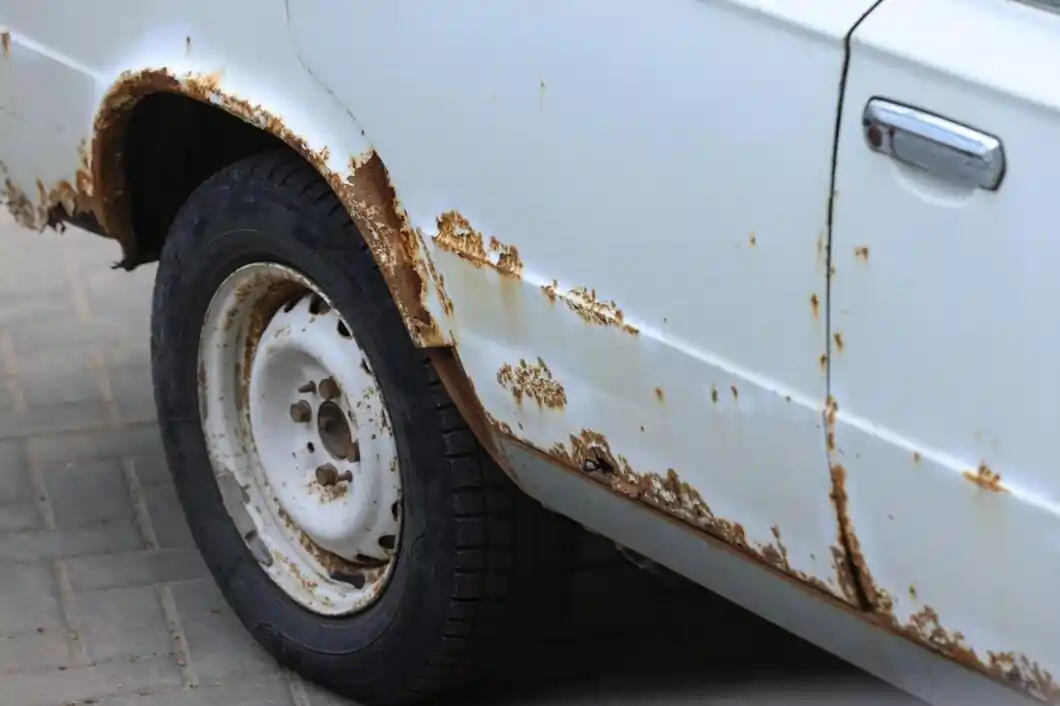
Why Ontario Cars Rust Out Faster: Road Salt and When to Scrap
Table of Contents Why Do Ontario Cars Rust Faster Than Other Provinces? How Does Road Salt Cause Rust? Calcium Chloride vs Sodium Chloride Car Damage Why Does Rust Start on the Underside of a Car? Surface Rust vs Structural Rust: How to Tell Them Apart Ontario Car Rust: Key Facts…
What Types of Vehicles Do Scrap Car Buyers Buy in Toronto?
Table of Contents Passenger Cars: Sedans, Hatchbacks & Coupes SUVs, Crossovers & Minivans Pickup Trucks & Light-Duty Trucks Commercial, Fleet & Heavy-Duty Vehicles Motorcycles, ATVs & Powersports Damaged, Non-Running & Salvage/Write-Off Vehicles Electric & Hybrid Vehicles: A Growing Category What Scrap Yards Typically Won\'t Take Vehicle Types Accepted — Quick…

What Are the Signs It Is Time to Scrap Your Car?
Table of Contents Introduction Sign #1 — When Car Repair Costs More Than Value in Ontario Sign #2 — High Mileage Beyond Practical Use Sign #3 - Declining Resale Value Sign #4 — Repeated and Cascading Breakdowns Sign #5 — Car Failing Ontario\'s Safety Standards Certificate Sign #6 — Structural…
Can I scrap a car with a lien in Ontario?
Table of Contents What Is a Lien on a Car? How to Check If Your Car Has a Lien in Ontario? Can You Scrap a Car with a Lien on It? The Legal Reality What Is a PPSA Lien on a Car in Ontario? What Happens If You Scrap a…
Lost, Stolen or Damaged Licence Plate in Ontario? Here’s Exactly What to Do Next
Table of Contents Why Number Plate Theft and Loss Happens — and Why It Matters Lost License Plate Ontario: Your Step-by-Step Checklist Stolen Licence Plate Ontario: What to Do the Moment You Notice Damaged License Plate Replacement: What Qualifies and What to Do How to Replace a Licence Plate at…
How to Cancel Your Car Insurance After Scrapping Your Car in Ontario?
Table of Contents Introduction What Happens to Car Insurance When You Scrap Your Car in Ontario? Does Car Insurance Automatically Cancel When You Scrap Your Car? When Should You Cancel — Before or After Pickup? Step-by-Step: How to Cancel Car Insurance After Scrapping a Car in Ontario Insurance Refund After…