

Table of Contents
- Why Scrap Car Scams Are More Common Than You Think
- 15 Red Flags of an Unreliable Car Removal Company
- Quick Reference: Red Flags at a Glance
- How to Actually Tell a Real Review From a Manufactured One
- The Three Business Models Hiding Behind “We Buy Scrap Cars”
- How to Verify Your Auto Recycler Is Legit
- Myth vs. Reality: “Check OMVIC” Is the Wrong Advice for Most Scrap Buyers
- The Lien Loophole: Why a Certificate of Destruction Doesn’t Always End Your Liability
- If Your Car Was Already Declared a Total Loss, This Section Is Different
- Questions to Ask Before Scrapping Your Car
- Conclusion
- Frequently Asked Questions
Avoid any scrap car company that won’t provide written documentation, a licensed business number, or a confirmed pickup schedule, these are the clearest red flags of a vehicle scrap service scam.
Complaints about unlicensed scrap dealers and fraudulent car removal operators show up regularly in Better Business Bureau reviews and OMVIC enforcement actions, most describing the same pattern: a price that drops sharply after pickup, or a Certificate of Destruction that never arrives. Consider this: a Toronto-area car owner accepts a $600 quote over the phone, only to be offered $200 when the tow truck shows up. That’s a classic bait-and-switch, and it’s common enough that knowing the warning signs before you call a scrap dealer is worth five minutes of your time.
Why Scrap Car Scams Are More Common Than You Think
The used car and scrap metal markets move fast, and so do the scammers who exploit them. Ontario’s auto recycling sector is regulated, but enforcement gaps mean that a scrap dealer operating without credentials can still appear professional online with a polished website and fake reviews. When you’re trying to figure out if my scrap car company is legit, surface-level research isn’t enough. You need to know exactly what illegal car scrapping looks like and how to spot it before it costs you.
15 Red Flags of an Unreliable Car Removal Company
- No Written Agreement
A scrap car company that refuses paperwork is one of the most dangerous signs you can encounter. Any legitimate transaction should include a written quote, terms of service, and a bill of sale. A scrap car company with no written agreement leaves you with zero legal protection if disputes arise.
2. Vague or Non-Existent Pickup Scheduling
A vague scrap car collection schedule is a red flag that the company may not be organized or is taking too long to shop your car’s details to third parties. Confirm a specific date, time window, and driver name before handing over your keys.
3. The Quote Drops After Pickup
One of the most reported scrap car scams is the post-pickup price cut. You agree to $500, the truck arrives, and suddenly the driver claims the car has “more damage than expected” and offers $150. This tactic — often called a bait-and-switch scrap car scam — works precisely because your car is already on the truck by the time the price drops, leaving you far less room to say no. See our full breakdown of how the scam works and what to do if it happens to you.
4. Inflated Initial Valuations
On the flip side, an inflated car valuation scam lures you in with an unrealistically high offer to win your business, only to drastically reduce it at pickup. If a quote sounds too good compared to three other companies you’ve checked, treat it as a low-ball scrap car offer in reverse bait designed to hook you.
If you’re not sure how to evaluate offers side by side, our guide on how to compare quotes for scrap car removal services online walks through gathering vehicle details, collecting at least three quotes, and verifying a buyer’s legitimacy before you commit.
5. Cash-Only Payment With No Receipt
While cash payments for scrap cars are legal, a company that insists on cash-only with no receipt or documentation is a classic setup for a junk car scam. Always ask for a receipt or bill of sale, regardless of how you’re paid — a legitimate buyer will never hesitate to provide one.
6. No License or Business Registration
This is a fundamental unlicensed scrap car dealer warning: in Ontario, auto recyclers must be registered under provincial regulations. If you can’t verify a company’s license, you could be handing your vehicle to someone who strips it illegally, dumps hazardous materials, or sells parts with no paper trail at all.
7. Missing Certificate of Destruction
A fake certificate of destruction scam is one of the most legally dangerous issues you can face. After scrapping, you must receive a Certificate of Destruction (CoD) from a licensed facility. Without it, you remain the registered owner, meaning parking tickets, tolls, and even criminal activity linked to that VIN can come back to haunt you. This is exactly how a car ends up physically scrapped but still registered to you on paper — a problem that catches out plenty of Ontario owners every year.
8. No Confirmation After Collection
Scrap car pick up, no confirmation, is a red flag many people overlook. After your vehicle is collected, a legitimate company will confirm receipt in writing. If there’s radio silence about what happens after the scrap car is collected, follow up immediately and demand written confirmation.
9. Bad Reviews You Can’t Ignore
Car removal company bad reviews and patterns of complaints on Google, BBB, or Yelp are reliable warning signals. Pay special attention to auto recycler reviews and complaints that mention price changes, missing paperwork, or poor communication; these aren’t isolated incidents; they’re business patterns.
Not sure which sites are worth trusting? Here’s where to find customer reviews for scrap car buyers and yards in Canada, including how reliable Google and BBB ratings really are.
10. Refuses to Answer Regulatory Questions
If a company gets defensive or evasive when you ask how to verify their auto recycler license, that’s a direct signal something is off. Legitimate operators welcome compliance questions.
11. No Physical Address or Verifiable Location
A company with only a cell number and a Gmail address is not a verifiable business. Scrap dealers operating without credentials often avoid listing physical addresses precisely because they have none to inspect.
12. Environmental Violations and Hazardous Materials Concerns
Ontario has strict rules about hazardous materials disposal; fluids, batteries, and catalytic converters must be handled under specific environmental guidelines. Environmental violations scrap yard warning signs include no mention of eco-friendly processes or no affiliation with recognized recycling bodies. You could face liability if your car is improperly disposed of by an unlicensed party.
13. Pressure Sales Tactics
Legitimate companies give you time to decide. High-pressure urgency “this offer expires in 10 minutes” is a manipulation tactic designed to stop you from comparing options or checking the company’s background.
14. Hidden Fees at the Last Minute
Hidden fees scrap car removal service charges are often revealed only at the final step: towing fees, “admin charges,” or fuel surcharges that weren’t in the original quote. Always ask upfront: “Is this the final, all-inclusive price?”
15. No Online Presence or Inconsistent Information
If the company name, phone number, and address don’t match across Google, their website, and the BBB, that’s a strong sign of how to spot a scam scrap car company situation. Consistency across platforms is a baseline credibility marker.
Quick Reference: Red Flags at a Glance
| # | Red Flag | Risk Level | What It Signals |
|---|---|---|---|
| 1 | No written agreement | High | No legal recourse if scammed |
| 2 | Vague or non-existent pickup scheduling | Medium | Disorganized, or stalling while shopping your info |
| 3 | Quote drops after pickup | High | Bait-and-switch tactic |
| 4 | Inflated initial valuation | Medium–High | Reverse bait to win your business |
| 5 | Cash-only, no receipt | Medium–High | Untraceable, unaccountable transaction |
| 6 | No license or business registration | High | Illegal operation |
| 7 | Missing Certificate of Destruction | High | Car remains legally yours |
| 8 | No confirmation after collection | Medium | Accountability gap |
| 9 | Bad reviews you can’t ignore | High | Systemic dishonest practice |
| 10 | Refuses to answer regulatory questions | High | Evasion signals non-compliance |
| 11 | No physical address or verifiable location | High | Not a real, inspectable business |
| 12 | Environmental/hazardous materials violations | High | Legal and environmental liability |
| 13 | Pressure sales tactics | Medium | Manipulation to block comparison shopping |
| 14 | Hidden fees at the last minute | Medium | Deceptive pricing |
| 15 | No online presence or inconsistent info | Medium | Baseline credibility failure |
How to Actually Tell a Real Review From a Manufactured One
Checking reviews is standard advice — but a star rating alone tells you almost nothing. Review manipulation is common enough in local services that knowing what to look for takes the guesswork out of red flag #9.
Five Patterns That Separate Real Reviews From Manufactured Ones
| Pattern | What a Manufactured Review Looks Like | What a Real Review Looks Like |
|---|---|---|
| Review velocity | A burst of 15–20+ five-star reviews within a few days, often after a slow stretch | Reviews trickle in steadily over weeks and months, matching a normal flow of business |
| Language patterns | Generic praise repeated almost word-for-word across multiple reviews (“great service, fast pickup, highly recommend”) | Specific details — a price, a neighbourhood, a driver’s name, what the car was |
| Reviewer history | The account has one review ever, or has reviewed dozens of unrelated businesses in a short window | The reviewer has a normal, varied review history built up over time |
| Timing vs. complaints | A wave of five-star reviews appears shortly after a cluster of one-star complaints — a common “burying” tactic | Positive and negative reviews appear at a natural, unforced pace |
| Listing duplication | The same phone number or address turns up under two or three slightly different business names on Google | One consistent business identity across Google, the website, and BBB |
The Cross-Check Most People Skip
Before trusting a Google rating, compare it against the company’s Better Business Bureau profile and how long the business has actually existed. A two-year-old listing with 400 reviews and no BBB history at all is a pattern worth pausing on — not because reviews are fake by default, but because the math doesn’t add up without some form of paid or incentivized push.
The Three Business Models Hiding Behind "We Buy Scrap Cars"
Not every company advertising as a “scrap car buyer” does the same thing with your vehicle once it’s on the truck. Three distinct business models operate under identical marketing language, and knowing which one you’re dealing with changes what “legitimate” actually looks like.
Which Business Model Are You Actually Talking To?
| Business Model | What Happens to Your Car | License That Applies | What a Legitimate Version Looks Like |
|---|---|---|---|
| Crusher / metal recycler | Vehicle is stripped of fluids and hazardous materials, then crushed for scrap metal | EASR or ECA registration through MECP (environmental, not OMVIC) | Quote tracks current scrap metal pricing, issues a Certificate of Destruction quickly |
| Dismantler / parts reseller | Usable parts are removed and resold before the shell is crushed | Same EASR/ECA environmental registration | Longer, negotiable timeline to a CoD — this is normal here, not automatically a red flag |
| Reconditioner / reseller | The "scrap" vehicle is actually repairable and gets rebuilt and resold | OMVIC dealer registration (this is the one case where OMVIC actually applies) | May not issue a CoD at all, because the car isn’t being destroyed — this is legitimate, not a missing-paperwork violation |
The One Question That Cuts Through the Confusion
Ask directly: “What happens to my car after you pick it up — is it being crushed, parted out, or repaired and resold?”
The answer tells you which license to verify next, and it explains why an unusually high offer (red flag #4) isn’t automatically a bait-and-switch setup. A Model C reconditioner can legitimately pay more than scrap value because they’re not scrapping the car at all — but that also means they need OMVIC registration, not just an environmental one, and you should ask for that specifically.
For more on how these business models translate into actual dollar differences at pickup, read our comparison of junk car buying services and scrap yards
If your car doesn’t run, was flooded or burned, or has no ownership document, our guide to junk car buyers that accept any condition in Toronto shows which type of buyer takes each.
How to Verify Your Auto Recycler Is Legit
Knowing how to verify an auto recycler license in Ontario is straightforward if you know where to look:
- Search the Ontario Motor Vehicle Industry Council (OMVIC) database for registered dealers.
- Check the Automotive Recyclers of Canada (ARC) member directory — a useful external resource for verifying certified auto recyclers.
- Look up the business on the Better Business Bureau Canada portal.
- Request the company’s HST/GST registration number. A real business has one.
- For junk car removal in Toronto, confirm that the buyer follows Ontario’s end-of-life vehicle disposal regulations before booking.
- Check the Ontario Automotive Recyclers Association (OARA) member directory — recyclers here are independently audited, unlike a general business listing.
- Confirm the facility is registered on the Environmental Activity and Sector Registry (EASR), or contact the Ministry of the Environment, Conservation and Parks (MECP) directly — this is the actual registration that governs end-of-life vehicle disposal sites in Ontario, separate from OMVIC’s dealer licensing.
Myth vs. Reality: "Check OMVIC" Is the Wrong Advice for Most Scrap Buyers
The single most repeated piece of advice in this space — including the OMVIC check listed above — sends most readers to the wrong database. Here’s what’s actually true.
| Myth | Reality |
|---|---|
| "A legitimate scrap buyer will show up on OMVIC." | OMVIC registers motor vehicle dealers — businesses reselling vehicles for road use. A pure scrap/dismantling operation isn’t required to be there at all. |
| "No OMVIC listing means the company is unlicensed." | It usually just means the company isn’t reselling vehicles. The registration that actually governs scrapping is the Environmental Activity and Sector Registry (EASR), filed under O. Reg. 85/16 of the Environmental Protection Act, administered by the Ministry of the Environment, Conservation and Parks (MECP) — not OMVIC. |
| "One license covers the whole industry." | It depends on the business model (see the section above). Crushers and dismantlers need EASR/ECA registration. Only companies that repair and resell vehicles need OMVIC registration. |
| "If I can’t find them on any registry, they’re operating illegally." | Not necessarily. Ontario’s rules exempt some small operators from EASR registration entirely — for example, sites receiving very few end-of-life vehicles per year or storing very few on-site at any time. A missing listing can mean "exempt," not " unlicensed." |
Where to Actually Verify a Scrap/Recycling Business
- Search the site or company name on MECP’s Access Environment / EASR public registry, not the OMVIC dealer lookup, if the company is crushing or dismantling your vehicle
- Only check OMVIC if you’ve confirmed (using the question in the previous section) that the company intends to repair and resell your car
- Cross-reference with the Ontario Automotive Recyclers Association (OARA) and Automotive Recyclers of Canada (ARC) directories, which independently audit member facilities beyond the minimum legal requirement
- Remember that Ontario courts have prosecuted and fined auto parts and recycling operators for failing to register on the EASR — this isn’t a paperwork formality; it’s an enforced legal requirement, just not one OMVIC handles
The Lien Loophole: Why a Certificate of Destruction Doesn't Always End Your Liability
A Certificate of Destruction is presented — including elsewhere on this page — as the finish line. In most cases, it is. But there’s one scenario where following that advice alone can leave you exposed: an undischarged lien.
How This Actually Plays Out
A CoD proves your vehicle was destroyed. It does not automatically clear a registered lien against it. If you scrap a car with an active loan balance and neither you nor the buyer checks Ontario’s Personal Property Security Registry (PPSR) first, the car can be legally destroyed while the lender’s financial claim survives completely intact. Months later, the lender can still pursue you for the outstanding balance — the CoD in your file doesn’t change that.
Exceptions Worth Flagging Specifically
- Leased vehicles — the leasing company owns the car, not the driver. Scrapping a leased vehicle without the lessor’s written consent is a separate legal problem entirely, regardless of any CoD.
- Co-signed loans — a lien can remain enforceable against a co-signer even after the primary borrower believes the debt is settled through scrapping.
- Private or smaller lenders — larger banks tend to update the PPSR quickly after payoff; smaller or private financing arrangements are more likely to have a lien that’s technically still active on paper even if you believe it’s paid off.
The Practical Fix
Treat lien clearance as a precondition to pickup, not a follow-up step after the CoD arrives:
1. Run a PPSR search on your own vehicle before contacting any buyer
2. If a lien shows up, get a written lien release or explicit lender consent first
3. Keep that release alongside your CoD — they protect against two different problems, not the same one
Questions to Ask Before Scrapping Your Car
These questions to ask before scrapping your car will save you from almost every common scam:
- Are you licensed and registered as an auto recycler in Ontario?
- Will you provide a written quote and bill of sale?
- Do you issue a Certificate of Destruction?
- Is towing included, or are there additional fees?
- What is the exact pickup date and time?
- How do you handle fluids and hazardous materials?
- What payment method do you offer, and will I receive a receipt?
If any question is met with evasion, deflection, or irritation walk away. For a straightforward, licensed scrap car removal in Toronto, these questions should all receive clear, confident answers.
If any question is met with evasion, deflection, or irritation, walk away. For a shorter, Toronto-specific version of this exact checklist, see how to tell a legitimate Toronto scrap buyer from a bad one
If Your Car Was Already Declared a Total Loss, This Section Is Different
Everything above assumes you’re the one choosing a scrap buyer for a working or broken-down car you still own outright. If your insurer has already declared your vehicle a total loss, the process — and the risks — look almost nothing like the scam pattern described in this article.
Why the Standard Bait-and-Switch Pattern Doesn’t Apply Here
Once an insurer pays out a total-loss claim, ownership typically transfers to the insurer or its salvage pool, often through a salvage auction platform. You’re frequently no longer the person accepting a scrap quote at all — the insurer is. The classic “$600 drops to $200 at pickup” scam described earlier in this article generally can’t happen in this scenario, because you’re not the one negotiating the pickup price.
What Actually Goes Wrong in Total-Loss Cases
| Standard Scrap Scam Risk | Total-Loss / Branded-Title Risk |
|---|---|
| Quote drops after pickup | Payout disputes over your car’s pre-loss market value |
| Missing Certificate of Destruction | Storage fee clawbacks if the vehicle sits on a tow lot too long before the claim closes |
| Unlicensed buyer strips the car illegally | Confusion over whether you’re legally allowed to keep and repair a “salvage” or “irreparable” branded vehicle |
One Important Distinction
A vehicle branded “irreparable” cannot legally return to the road under any circumstances — not even through a legitimate Model C reconditioner from the business-models section above. “Salvage”-branded vehicles can sometimes be rebuilt and re-inspected, but the process runs through the Ministry of Transportation, separate from any scrap buyer transaction.
If you’re considering buying one of these rebuilt or salvage-branded vehicles rather than scrapping your own, read Buying a Salvage Title Car in Ontario: Risks, Costs & Red Flags first — it covers the insurance, financing, and disclosure issues that don’t come up in a standard scrap transaction
What to Do Instead of Shopping for Scrap Quotes
- Confirm with your insurer’s total-loss department who currently holds legal ownership of the vehicle before contacting any scrap or salvage buyer
- Ask specifically whether you have the option to retain the vehicle (a “buy-back”) and what branding it will carry if you do
- If you’re retaining and independently scrapping a written-off car yourself, the entire red-flags checklist earlier in this article applies normally — this section only concerns vehicles still in the insurer’s process
Conclusion
Scrapping a car should be a simple, stress-free process but only when you’re dealing with a trustworthy, licensed buyer. Whether it’s a scrap car company with no written agreement, a dropped quote after pickup, or an auto wrecking company with no license, the warning signs are consistent and avoidable if you know what to look for. Take five minutes to verify credentials, ask the right questions, and demand paperwork before handing over your keys.
For a transparent, compliant, and hassle-free experience, Scrap Car Buyer Toronto operates with full licensing, provides written agreements, and issues Certificates of Destruction so you’re protected from start to finish.
Frequently Asked Questions
Q1. What are some red flags that an automotive service technician or scrap company is ripping you off?
Watch for quotes that drop after pickup, pressure to accept cash-only payment with no receipt, refusal to provide paperwork, and no Certificate of Destruction. These are the clearest signs you’re dealing with a dishonest operator.
Q2. How do I know if my scrap car company is legit?
Check their business registration with OMVIC, verify their physical address, read auto recycler reviews and complaints on Google and BBB, and confirm they issue a Certificate of Destruction. A legit company answers compliance questions without hesitation
Q3. What is a bait and switch junk car offer?
It’s when a company quotes a high price to win your business, then dramatically lowers the offer once your car is loaded on the tow truck banking on the fact that you won’t walk away at that point.
Q4. What happens if my car is scrapped but not deregistered?
You remain the legal owner. Any fines, tolls, or legal issues connected to that vehicle’s VIN remain your responsibility until deregistration is confirmed. Always obtain a Certificate of Destruction and notify the Ontario Ministry of Transportation.
Q5. Are hidden fees legal in scrap car removal?
Hidden fees aren’t illegal per se, but they’re unethical and a strong sign of a disreputable operator. Always request a written, all-inclusive quote before authorizing pickup to avoid surprise deductions.
Q6: Is a cash-only junk car payment always a scam?
Not always, cash is a legal payment method. But when a company insists on cash only with no receipt or documentation, it becomes a red flag for a junk car scam, since it leaves no paper trail for either party.
Q7. What environmental violations should I watch for with a scrap yard?
Watch for companies that don’t mention fluid draining, battery disposal, or catalytic converter handling. Improper hazardous materials disposal is both an environmental violation and a regulatory offence in Ontario and you could share liability if your car is traced back to illegal dumping.
Q8. What red flags should you not ignore when hiring a scrap car company?
Never ignore a missing written agreement, a vague pickup schedule, no license verification, and absent post-collection confirmation. These aren’t minor inconveniences, they are signs of potential fraud or illegal car scrapping.
Related Posts

Sworn Statement for Vehicle Transfer in Ontario: Full Guide
Table of Contents Which Sworn Statement Do You Need? (1157E vs. 1155E) Who Qualifies for a Tax-Free Family Gift Documents to Bring to ServiceOntario How to Transfer Ownership of a Car in Ontario: Step by Step How to Sign Over Ownership of a Car (Donor Checklist) How to Fill Out…
Buying a Salvage Title Car in Ontario: Risks, Costs & Red Flags
Table of Contents What Is a Salvage Title on a Car? Ontario\'s Vehicle Brands: Salvage vs. Rebuilt vs. Irreparable Why a Car Gets Branded Salvage in the First Place Going From Salvage to Rebuilt: The Ontario Process Where Salvage Title Cars Come From: Auctions in Ontario The Real Risks of…
Title Jumping in Ontario: What Every Car Seller Needs to Know
Table of Contents What Is Title Jumping? Is Title Jumping Illegal? Is It a Crime? How to Properly Transfer Car Ownership in Ontario What Happens If You Don\'t Transfer Ownership If the Seller Won\'t Transfer the Title How to Report Suspected Title Jumping or Fraud How to Avoid Title Jumping…
Vehicle Bill of Sale Ontario: Why It’s Important & How to Get One
Table of Contents What Is a Vehicle Bill of Sale? Why a Bill of Sale Is So Important in Ontario Ontario\'s Legal Requirements Where to Get a Bill of Sale in Ontario How to Write a Bill of Sale for a Vehicle Bill of Sale vs. Car Sale Purchase Agreement…
The Certificate of Destruction: Your Legal Proof When a Car Is Scrapped
Table of Contents What is a certificate of destruction? Why Do You Need a Certificate of Destruction? Certificate of Destruction in Ontario: RPRA vs. EASR Do I Need a Certificate of Destruction to Scrap My Car in Ontario? What Documents Do I Need to Scrap My Car in Canada? What…

Free Ontario Used Vehicle Bill of Sale Template (2026)
Table of Contents What Is a Bill of Sale, and Do You Actually Need One in Ontario? What has to be on a Used Vehicle Bill of Sale As-Is vs. Certified - Which Box Do You Check? How to Fill Out a Used Vehicle Bill of Sale Not Selling Privately?…
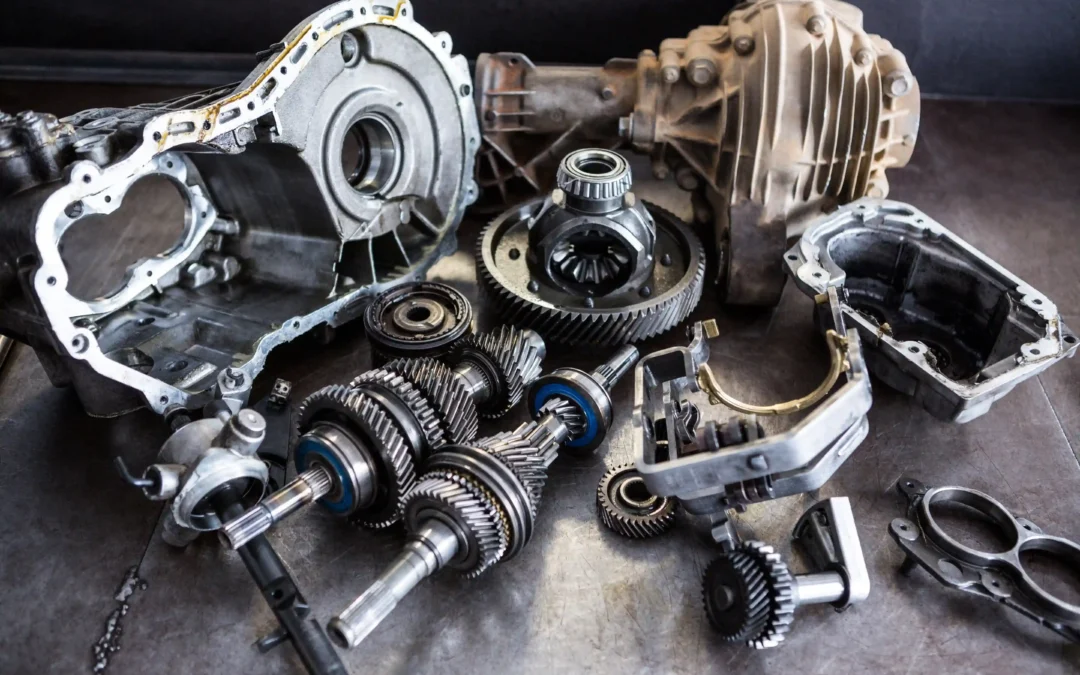
What Is a Scrap Transmission Worth in Canada?
Table of Contents How Much Is a Transmission Worth for Scrap in Toronto? Scrap Transmission Price Per Pound in Ontario Aluminum vs. Steel Transmission Scrap Price Automatic vs. Manual vs. CVT Scrap Value How Much Do Transmissions Weigh? Scrap Value vs. Transmission Cost What Affects the Price? Where to Sell…
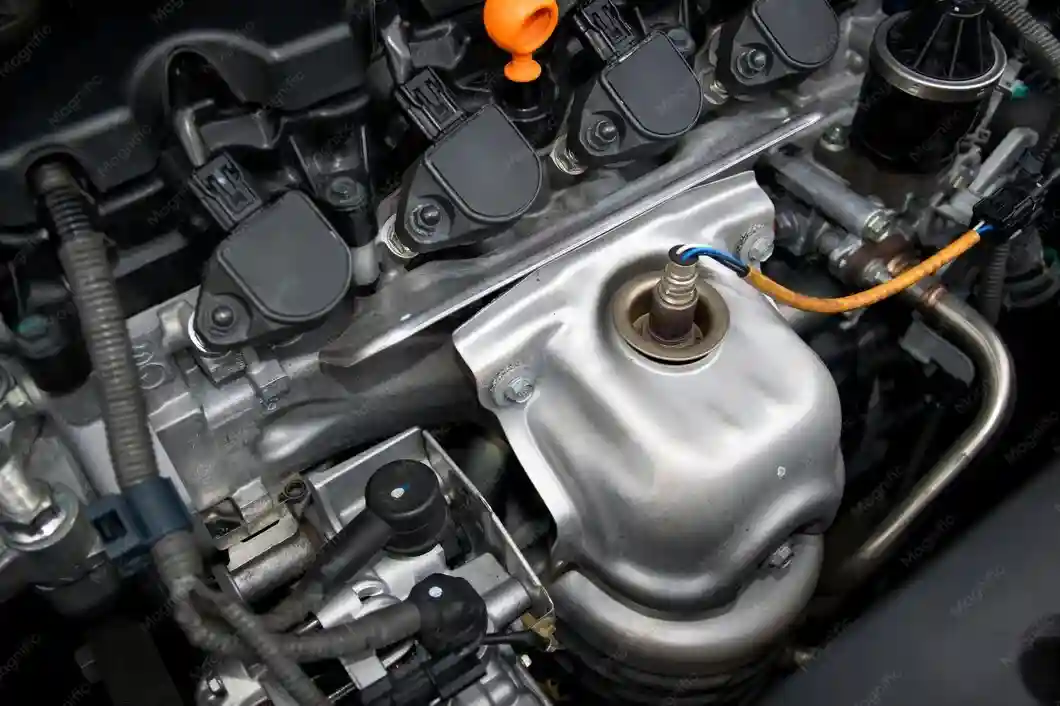
What Is an Electric Motor from a Scrap Car Worth in Canada?
Table of Contents How Much Is an Electric Motor from a Scrap Car Worth Right Now? Car With a Blown Motor vs. Selling Electric Parts Separately What Actually Drives Electric Motor Scrap Prices Electric Motors Found in a Car — and What Each One Is Worth Who\'s Asking This, and…
Catalytic Converter Theft Is Hitting Toronto Hard — What to Do If Yours Is Targeted
Table of Contents Why Toronto Is a Hotspot for Catalytic Converter Theft How to Tell If Your Catalytic Converter Was Stolen Will your car start if someone steals your catalytic converter? What should I do if someone steals my catalytic converter? Why Catalytic Converters Are Stolen (And What Thieves Do…

Where to find customer reviews for scrap car parts retailers in Canada?
Table of Contents Why Review Research Matters Before You Sell to a Scrap Yard Best Websites to Read Scrap Yard Reviews Are Google Reviews Reliable for Auto Salvage Yards? Is BBB Good for Checking Scrap Car Buyers? How Do I Know If a Scrap Yard Is Legit? What to Look…