
Last Updated – 19-08-2026
Table of Contents
- What is a Junk Car Buying Service?
- What is a Scrap Yard?
- Key Differences Between Junk Car Buying Services vs Scrap Yards
- How Each One Calculates What Your Car Is Worth
- Which One Pays More?
- Toronto and Ontario Context
- Convenience Factor: A Real Difference
- When a Scrap Yard Makes Sense
- Before you sell your junk car (Ontario checklist)
- Frequently Asked Questions
Short answer: for most non-running or end-of-life cars in Toronto, a junk car buyer comes out ahead, mainly because towing is free and the quote is built around your specific vehicle. A scrap yard pays by weight at that day’s scrap rate and expects you to deliver the car, so it only wins when the car is already at the yard or stripped down to the shell. Below: how each one prices your car, what the numbers look like, and the Ontario paperwork that applies either way.
What is a Junk Car Buying Service?
Here is how the process typically works:
- You contact them online or by phone and share basic details about your car
- They give you a quote right away
- You agree on a price and schedule a pickup time
- Most services will arrange pickup and pay at pickup, and tow the car away for free
What is a Scrap Yard?
When you take a car to a scrap yard:
- You usually have to bring the car yourself or arrange your own tow
- They weigh the car and calculate its metal value
- You get paid based on the current price of scrap metal per ton
- The process can take longer and requires more effort on your end
Key Differences Between Junk Car Buying Services vs Scrap Yards
| Factor | Junk Car Buying Service | Scrap Yard |
|---|---|---|
| Where does it happen | They come to you | You go to them |
| Towing | Usually free pickup | Mostly your responsibility |
| Quote process | Online or phone quote in minutes | In-person inspection and weighing required |
| Payment basis | Car condition and parts resale plus scrap value | Weight of scrap metal and current metal rates |
| Speed | Same day or next day | Depends on their schedule |
| Best for | Convenience, fair pricing, no-hassle removal | People who can transport the car themselves |
How Each One Calculates What Your Car Is Worth
Junk Car Buying Services
These services look at multiple factors when pricing your car:
- Year, make, and model
- Condition of major parts like the engine, transmission, and body
- Whether it runs or not
- Current demand for that type of vehicle or its parts
- Local market conditions
Because they factor in parts value and market demand, they often offer more than you would get at a scrap yard, especially if your car has components that are still usable
Scrap Yards
Scrap yards keep it simple. They weigh your car and multiply that by the current scrap metal rate. That rate changes constantly based on the commodities market. On a bad day, a 3,000‑pound car might earn you just $150 to $200. On a better day, slightly more, depending on the scrap‑metal market. You can check current steel and auto‑scrap prices here: Scrap Monster – Ontario Scrap Metal Prices
Many scrap yards base their offers primarily on metal weight, though some salvage yards or recyclers may pay extra for reusable parts.
For the full formula behind a quote, see our guide to how scrap car value is calculated
The catalytic converter is priced separately from the car’s steel weight because of its platinum, palladium, and rhodium content, so it can move your offer independently of the scrap steel rate. Confirm with any buyer what happens to your quote if it goes missing before pickup, and see where to sell a catalytic converter for the most money.
Which One Pays More?
For many vehicles, a junk‑car buying service can offer noticeably more than a scrap yard, especially if your car still has usable parts.
Junk‑car services don’t just crush the metal. They inspect your car’s engine, transmission, electronics, and other components, and factor in whether parts can be resold to repair shops or do‑it‑yourself buyers. When a company can recover value from usable parts, it can often afford to pay you more than the scrap‑metal floor.
Scrap yards typically start from the car’s weight and the current scrap‑metal rate, so their offers are usually closer to the metal‑only value. That means:
- If your car is still relatively complete, modern, or has high‑demand parts, a junk‑car buyer frequently pays more than a scrap yard.
- If your car is already stripped down, heavily damaged, or has little salvage value, offers from both can be similar.
In the Toronto area, scrap‑car prices can vary widely depending on size, condition, and metal prices, but many buyers report typical ranges from a few hundred dollars up, with some well‑equipped vehicles fetching significantly more. If you want a higher offer with less legwork, it usually makes sense to get quotes from a junk‑car service before settling for a scrap‑yard price.
Our guide on how to compare quotes for scrap car removal services online walks through exactly how to line those quotes up and spot the best one.
That said, if your car is completely totaled with no salvageable parts at all, the prices may be similar. But for most old or damaged cars that are not fully crushed, a junk car buyer will typically give you a better deal.
A phone quote is provisional until the car is seen, and some buyers quote high and then cut the price at pickup. Here is how the bait-and-switch scrap car scam works and how to avoid it
Toronto and Ontario Context
This explanation works for most of Ontario, but in the Toronto and GTA area, there are a few practical differences you should keep in mind.
Pickup zones and service area
Most junk‑car buyers in Toronto cover the Greater Toronto Area (GTA), including Toronto, Scarborough, Etobicoke, North York, Mississauga, Brampton, Vaughan, Markham, and surrounding suburbs. Pickup is usually free and often happens the same day or next day, which is a big advantage if your car doesn’t run or you don’t have a way to tow it.
Typical scrap‑car pricing in Toronto
Industry data suggests that average scrap‑car prices in Toronto often fall in the $250 to $700 range, depending on the vehicle’s weight, condition, and current scrap‑metal rates. Large SUVs, trucks, or vehicles with intact high‑value parts (like catalytic converters) can sometimes fetch significantly more, especially from junk‑car services that resell parts instead of just metal.
How local regulations affect your sale
In Ontario, you still need proper ownership documents (the “green slip”) and must remove your licence plates before scrapping or selling your car, even if you’re dealing with a junk‑car buyer. Many reputable Toronto‑area recyclers and junk‑car buyers follow provincial environmental rules and use registered facilities to safely depollute and recycle vehicles, which helps protect you from liability.
If you want a real sense of what your car is worth in Toronto, the safest approach is to contact a local junk‑car service and ask for a free, no‑obligation quote based on your specific year, make, model, and condition. That way, you can compare a tailored local offer against any generic scrap‑yard estimate.
Convenience Factor: A Real Difference
With scrap car removal handled by a dedicated service, you skip all the heavy lifting. They schedule the pickup, send a tow truck, and bring the paperwork. You stay home. This matters especially if:
- Your car does not run
- You do not have a way to tow it
- You are short on time
- The scrap yard is far from where you live
When a Scrap Yard Makes Sense
- Your car is already at a location close to the yard
- You have a way to transport it without paying much for towing
- The car is in such poor condition that no service wants it
- You want to deal with a local, familiar facility
- You are also selling scrap metal from other sources and can combine trips
Before you sell your junk car (Ontario checklist)
Clear your plates and registration
Remove or return your licence plates and ensure your vehicle is no longer registered in your name. You can do this at ServiceOntario or by contacting the Ministry of Transportation.
Have your ownership documents ready
Ontario requires vehicle ownership (often called the “green slip”) when you sell or scrap a car. Make sure the ownership is in your name and bring a valid photo ID.
Ontario requires proper ownership documents and a signed transfer when you sell or scrap a car. For full details, see the official Ontario guide on end‑of‑life vehicle disposal and the Ontario End‑of‑Life Vehicles Waste Disposal Site User Guide.
Still financing the car?
If you still owe money on the car, the lender’s lien must be discharged before a buyer can take clean ownership, so order a UVIP through ServiceOntario and get a payout quote from your lender first. Full steps are in our guide to scrapping a car with a lien in Ontario
Sign the title correctly
When selling to a scrap dealer or junk‑car buyer, sign the “Sold” section on the back of the ownership and provide a dated bill of sale. This helps remove the vehicle from your record and reduces liability.
Use a proper Ontario bill of sale
A dated bill of sale protects both you and the buyer. Use our free Ontario used vehicle bill of sale template, and ask your buyer for a certificate of destruction as proof the car was scrapped.
Salvage and irreparable vehicles
Ontario brands write off vehicles as Salvage, Rebuilt, or Irreparable, and an Irreparable vehicle can only go to parts or scrap, so ask any buyer whether they are set up to handle that brand. A UVIP from ServiceOntario shows your car’s status, and more detail is in our guide to salvage title cars in Ontario
Check your Ontario obligations
If there are any liens or special conditions on the vehicle, you may need to request a Used Vehicle Information Package (UVIP) from ServiceOntario before selling. For more details, visit the official Ontario government page on vehicle ownership and transfer: Transfer ownership of a vehicle in Ontario
Let your buyer know if you’re scrapping for environmental reasons
Some Ontario programs, like Recycle Your Ride‑style initiatives, may have specific requirements for vehicles being scrapped for recycling. Ask your junk‑car buyer whether they participate in provincial recycling programs.
By following these steps, you’ll reduce your risk, keep your records clean, and make the sale process smoother, whether you choose a junk‑car buyer or a scrap yard in Toronto.
Conclusion
If you want a fair price, zero hassle, and someone to come pick up the car, a junk‑car buying service is usually the better choice for most people. If you have a way to get the car there yourself and just want to get rid of it fast without high expectations, a scrap yard can also work in some situations.
We’re a local, Toronto‑based junk‑car removal service that pays cash for vehicles in any condition, typically within the same day or next‑day pickup. Unlike many scrap yards, we factor in your car’s usable parts, not just its metal weight, which often leads to higher offers than scrap‑only pricing.
If you’re in Toronto and want a transparent, no‑hassle quote, feel free to contact Scrap Car Buyer Toronto. We’ll give you a fair, upfront offer, handle pickup, and pay cash on the spot so you can move on without stress.
If neither option appeals and you’d rather have a tax receipt than cash, donating it to charity is worth comparing first
Frequently Asked Questions
Q1. What is the difference between a junk car buyer and a scrap yard?
Q2. Do junk car buyers pay more than scrap yards?
Q3. Can I sell a non‑running car to a junk car buyer?
Q4. What documents do I need to sell my car to a junk car buyer or scrap yard in Ontario?
Q5. How long does it take to get paid when I sell a junk car?
Related Posts

Sworn Statement for Vehicle Transfer in Ontario: Full Guide
Table of Contents Which Sworn Statement Do You Need? (1157E vs. 1155E) Who Qualifies for a Tax-Free Family Gift Documents to Bring to ServiceOntario How to Transfer Ownership of a Car in Ontario: Step by Step How to Sign Over Ownership of a Car (Donor Checklist) How to Fill Out…
Buying a Salvage Title Car in Ontario: Risks, Costs & Red Flags
Table of Contents What Is a Salvage Title on a Car? Ontario\'s Vehicle Brands: Salvage vs. Rebuilt vs. Irreparable Why a Car Gets Branded Salvage in the First Place Going From Salvage to Rebuilt: The Ontario Process Where Salvage Title Cars Come From: Auctions in Ontario The Real Risks of…
Title Jumping in Ontario: What Every Car Seller Needs to Know
Table of Contents What Is Title Jumping? Is Title Jumping Illegal? Is It a Crime? How to Properly Transfer Car Ownership in Ontario What Happens If You Don\'t Transfer Ownership If the Seller Won\'t Transfer the Title How to Report Suspected Title Jumping or Fraud How to Avoid Title Jumping…
Vehicle Bill of Sale Ontario: Why It’s Important & How to Get One
Table of Contents What Is a Vehicle Bill of Sale? Why a Bill of Sale Is So Important in Ontario Ontario\'s Legal Requirements Where to Get a Bill of Sale in Ontario How to Write a Bill of Sale for a Vehicle Bill of Sale vs. Car Sale Purchase Agreement…
The Certificate of Destruction: Your Legal Proof When a Car Is Scrapped
Table of Contents What is a certificate of destruction? Why Do You Need a Certificate of Destruction? Certificate of Destruction in Ontario: RPRA vs. EASR Do I Need a Certificate of Destruction to Scrap My Car in Ontario? What Documents Do I Need to Scrap My Car in Canada? What…

Free Ontario Used Vehicle Bill of Sale Template (2026)
Table of Contents What Is a Bill of Sale, and Do You Actually Need One in Ontario? What has to be on a Used Vehicle Bill of Sale As-Is vs. Certified - Which Box Do You Check? How to Fill Out a Used Vehicle Bill of Sale Not Selling Privately?…
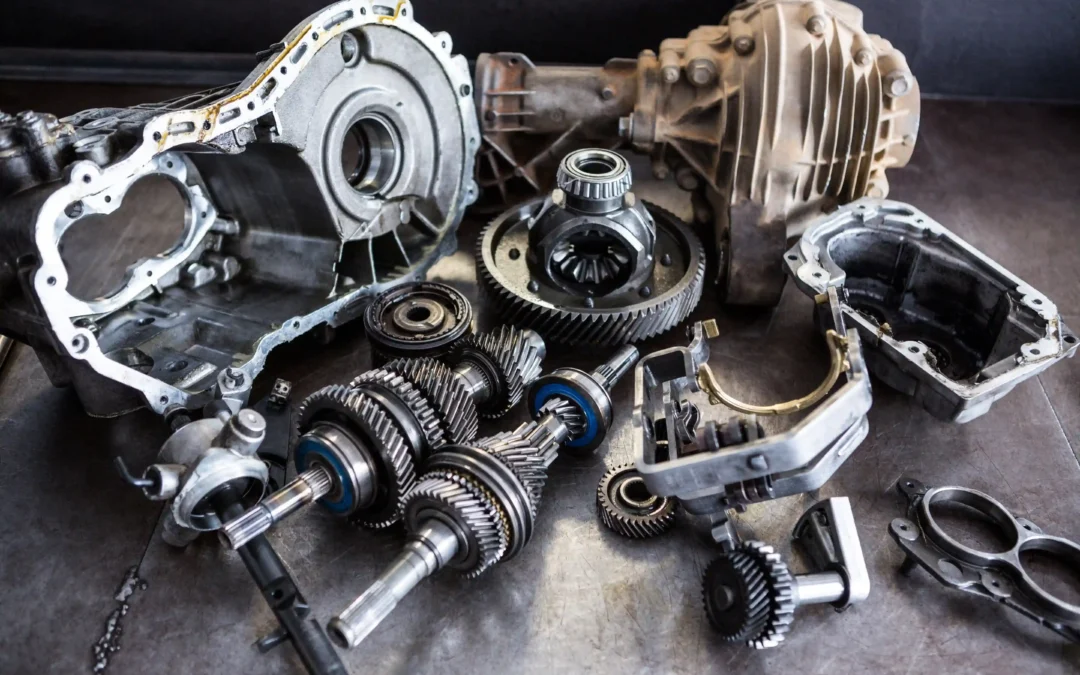
What Is a Scrap Transmission Worth in Canada?
Table of Contents How Much Is a Transmission Worth for Scrap in Toronto? Scrap Transmission Price Per Pound in Ontario Aluminum vs. Steel Transmission Scrap Price Automatic vs. Manual vs. CVT Scrap Value How Much Do Transmissions Weigh? Scrap Value vs. Transmission Cost What Affects the Price? Where to Sell…
What Is an Electric Motor from a Scrap Car Worth in Canada?
Table of Contents How Much Is an Electric Motor from a Scrap Car Worth Right Now? Car With a Blown Motor vs. Selling Electric Parts Separately What Actually Drives Electric Motor Scrap Prices Electric Motors Found in a Car — and What Each One Is Worth Who\'s Asking This, and…
Catalytic Converter Theft Is Hitting Toronto Hard — What to Do If Yours Is Targeted
Table of Contents Why Toronto Is a Hotspot for Catalytic Converter Theft How to Tell If Your Catalytic Converter Was Stolen Will your car start if someone steals your catalytic converter? What should I do if someone steals my catalytic converter? Why Catalytic Converters Are Stolen (And What Thieves Do…

Where to find customer reviews for scrap car parts retailers in Canada?
Table of Contents Why Review Research Matters Before You Sell to a Scrap Yard Best Websites to Read Scrap Yard Reviews Are Google Reviews Reliable for Auto Salvage Yards? Is BBB Good for Checking Scrap Car Buyers? How Do I Know If a Scrap Yard Is Legit? What to Look…