
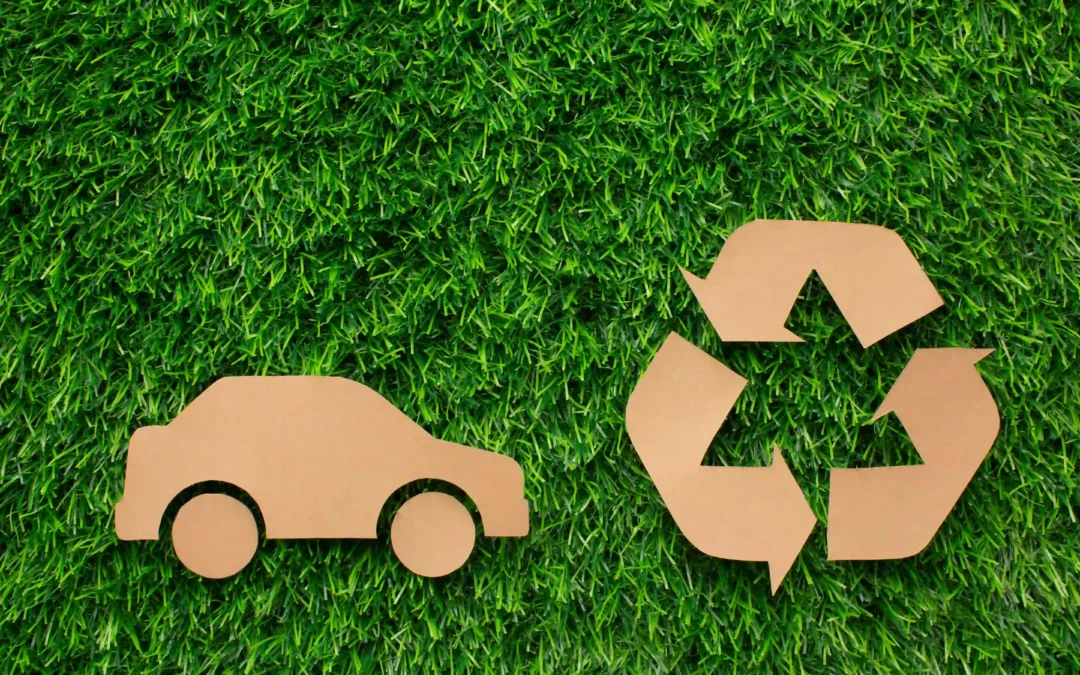
An unused car parked at home may seem harmless. Yet few notice the hidden downside of leaving it idle. As days pass, dripping fluids seep into the ground beneath it. Over time, its battery leaks harmful substances. Parts made of rubber and metal wear away without anyone touching them. Slow decay turns what looks like stillness into pollution.
Most people see a junk car as a problem — something that takes up space and slowly loses value. What many do not realise is that an old vehicle is not waste. It is a resource. When handled the right way, it reduces pollution, saves raw materials, and lowers pressure on landfills. This guide explains exactly how that works and why it matters for Toronto and the environment.
What Is an End-of-Life Vehicle (ELV)?
An end-of-life vehicle (ELV) is a car, truck, or other motor vehicle that has reached the end of its useful life and is set aside for dismantling, depollution, and recycling instead of continued use on the road.
In Ontario, licensed recyclers must remove hazardous fluids and gases from an ELV before any dismantling begins. Every junk car, scrap vehicle, or derelict car sitting in a driveway is really just an ELV waiting to be processed the right way.
According to Natural Resources Canada, around 1.6 million vehicles reach end-of-life status in Canada every year — and Toronto contributes a large share of that number.
Why Old Cars Are an Environmental Problem?
What happens when cars quit working? That question matters before diving into why recycling them helps. An old car sitting idle is not suddenly safe. It often causes trouble the longer it stays put.
Here is what happens when an old car is left unattended:
- Engine oil, coolant, transmission fluid, and brake fluid start leaking into the ground
- Old car batteries contain lead and sulfuric acid, which are seriously toxic
- The air conditioning system may still have refrigerants that damage the ozone layer
- Fuel residue in old tanks can seep into groundwater over time
- Tires and plastics slowly break down and release microplastics into the environment
Toronto has strict environmental standards, enforced under Ontario’s Environmental Protection Act. When old cars are not disposed of properly, it becomes a community problem. Using a scrap car removal service in Toronto
that follows certified disposal protocols set by the Ontario Automotive Recyclers Association (OARA) changes that completely. In fact, why scrapping now is better for the environment becomes even clearer once you see how fast
small leaks add up over just a few months.
This is exactly why choosing a licensed auto recycling service in Toronto matters — it ensures hazardous materials like coolant, brake fluid, and battery acid are captured and disposed of safely, rather than leaching into soil or waterways. Here’s what that process actually delivers for the environment.
The Real Environmental Benefits of Scrapping and Recycling Your Junk Car
1. It Keeps Thousands of Kilograms of Steel Out of Landfills
Most vehicles tip the scales at around 1,400 to 2,000 kilograms. A single average car contains roughly 1,100 kilograms of steel alone. Toss one into a dump, and you have tonnes sitting there for years — because metals refuse to break down.
The good news is that around 80 to 85 percent of a car’s weight finds new life through recycling, a figure consistent with data from the Automotive Recyclers of Canada. Recycled steel is just as strong and usable as new steel — there is no downgrade in quality. Every recycled car is essentially a stockpile of raw material ready to become new appliances, building structures, or even new vehicles. Industry estimates suggest the energy saved by recycling the steel from a single car is roughly equivalent to a household’s electricity use for several months — a figure that scales quickly given the volume of vehicles processed in Toronto each year.
2. It Cuts Down Energy Use in a Significant Way
Recycling steel from scrap uses around 74% less energy than producing new steel from scratch, according to the World Steel Association’s lifecycle studies on recycled steel production.
To put that in perspective, the energy saved by recycling one car could power an average household for several months. When you multiply that across thousands of cars scrapped in Toronto every year, the energy savings become substantial — and the demand on fossil fuels used in the mining and smelting process drops with it.
3. It Reduces the Demand for Newly Mined Raw Materials — and Cuts Carbon Emissions
Mining for iron, aluminium, copper, and other metals strips land, destroys habitats, generates toxic runoff, and uses enormous amounts of water and energy. Every car recycled in Toronto means less demand for freshly mined
ore. More recycling always means less mining pressure on the environment.
There’s a carbon benefit too. Less mining means fewer fossil fuels burned in extraction and smelting, which means fewer greenhouse gases released into the atmosphere. Older, less fuel-efficient cars also keep burning gasoline
for as long as they stay on the road, adding to the problem. Auto recycling across North America prevents the release of millions of metric tons of CO₂ equivalent every year, according to Environment and Climate Change Canada.
4. It Keeps Toxic Fluids Out of Toronto’s Waterways
Drinking water for Toronto flows from Lake Ontario. When old cars leak harmful liquids, the soil soaks them up. These contaminants move slowly underground, sometimes ending up in rivers or lakes.
When professionals handle junk car removal, every drop of motor oil, coolant, brake fluid, and battery acid is collected and disposed of safely — according to Ontario’s environmental regulations. The ground stays clean. Rainwater carries nothing harmful. Life near water stays safer because heavy metals never reach the GTA’s streams and creeks in the first place.
This matters especially in areas near rivers, lakes, or communities that rely on well water. One improperly abandoned vehicle can affect an entire local water supply.
5-Point Checklist: Is Your Scrap Yard Disposing of Fluids the Right Way?
Not every scrap yard handles fluids properly. Before you hand over your keys, check for these five things:
1. Ask if they’re a licensed auto recycler under Ontario’s Environmental Protection Act.
2. Confirm they drain fluids before towing or shredding — not after.
3. Look for proper storage containers for oil, coolant, and battery acid on-site.
4. Ask how they handle refrigerant recovery (R-12/R-134a) — a compliant yard will give you a clear answer.
5. Check if they’re affiliated with or recognized by the Ontario Automotive Recyclers Association (OARA).
If a buyer can’t answer these clearly, your car — and Toronto’s water supply — could pay the price.
5. It Handles Refrigerants That Harm the Ozone Layer
Older vehicles rely on cooling agents such as R-12 or early forms of R-134a. When junked carelessly, those substances escape into the atmosphere and damage the ozone layer.
In Toronto, licensed recycling centres are required to extract these gases first, using tools that meet official provincial standards. Removing them before teardown stops one of the clearest paths of environmental harm from end-of-life vehicles.
6. Rubber, Plastic, and Glass Get a Second Life Too
Most people focus on metal when talking about car recycling, but a modern vehicle also contains significant amounts of rubber, plastic, and glass, and none of it needs to end up in a landfill.
- Tires get shredded into crumb rubber used for playgrounds, athletic tracks, and road surfaces
- Plastic components are separated and recycled into lower-grade plastic products
- Glass from windshields can be repurposed into fibreglass insulation or construction materials
Nothing in a properly recycled vehicle simply disappears if the process is done right.
What Happens to an ELV: The Step-by-Step Recycling Process
Once your old car leaves your driveway, it goes through a strict, regulated process before it becomes reusable steel and parts again. Here’s what happens, step by step:
1. Depollution. Certified technicians drain and safely store every hazardous fluid — engine oil, coolant, brake fluid, transmission fluid, and battery acid — along with refrigerants like R-134a. This one step prevents most of the environmental damage described above. For a full breakdown of how each of these hazardous materials is handled and disposed of under Canadian law, see our guide
2. Dismantling. Usable parts come off first: catalytic converters, batteries, tires, glass, and any component still in good working order get pulled for resale or separate recycling.
3. Shredding. What’s left of the vehicle body goes through an industrial shredder, breaking it down into fist-sized pieces of metal, plastic, and other material.
4. Material recovery. Powerful magnets and sorting systems separate steel, aluminum, copper, rubber, glass, and plastic into their own recycling streams, ready to become raw material for new products.
This process follows Ontario’s End-of-Life Vehicle Industry Standard (ELV-IS) and the Environmental Protection Act, both of which require licensed facilities to complete depollution before any shredding starts. Skipping straight to Step 3 without Step 1 is exactly what causes soil and water contamination — which is why choosing a licensed recycler for your eco-friendly disposal standards matters just as much as the payout you get.
For the step-by-step process behind these numbers, read what happens to a car at a junkyard in Ontario
A Toronto Example: A 2009 sedan left sitting in a North York driveway for three years had already started leaking coolant into the soil by the time it was picked up. Once processed through a licensed Toronto recycler, its steel body was shredded and recycled within 48 hours, its battery and fluids were removed safely, and roughly 85% of its total weight was diverted from landfill — all while the owner received same-day cash payment. This is the kind of outcome licensed recycling delivers every day across the GTA.
“The depollution step is where most of the environmental protection actually happens — if a yard skips it, nothing else about the process matters,” says a licensed auto recycler working with Scrap Car Buyer Toronto.
What About the Day-to-Day Carbon Footprint of Your Old Car?
Older cars usually pollute more on each drive, even when used just occasionally. Many of these vehicles miss out on the cleaner technology found in today’s models. Rough roads, long idles, and worn engines make it worse — the engine keeps pushing emissions regardless.
Once that car is gone for good, it stops adding to Toronto’s air quality problem. The pollution shuts off at the source while each kilometre driven in a newer, cleaner vehicle burns less fuel and pushes fewer toxins skyward.
Scrapping vs. Landfilling vs. Abandoning: Which Is Better for the Environment?
Not every way of getting rid of an old car has the same impact. Here’s how the three most common choices actually compare:
| Disposal Method | Toxic Fluid Risk | Material Recovered | CO₂ / Energy Impact | Legal in Ontario |
|---|---|---|---|---|
| Recycling through a licensed scrap yard | None — fluids drained and disposed of safely | 80–85% of vehicle weight recovered and reused | Steel recycling uses ~74% less energy than new production | Yes — required under Ontario’s Environmental Protection Act |
| Leaving it in a driveway or abandoning it | High — leaks into soil and groundwater over months and years | 0% — nothing recovered while it sits | None — car keeps depreciating and, if driven occasionally, keeps polluting | Can violate municipal bylaws and the Environmental Protection Act |
| Selling privately “as-is” to an unlicensed buyer | Depends entirely on the buyer — many skip proper depollution | Uncertain — no guarantee of certified recycling | No verified environmental benefit | Legal to sell, but disposal method is untracked and unguaranteed |
Recycling through a licensed scrap yard is the only option that guarantees your old car’s fluids, metals, and parts are handled the way Ontario’s environmental rules actually require.
Final Thoughts
Beyond your own driveway, every recycled vehicle contributes to the environmental benefits of recycling across the GTA every day. Ready to see what your car is worth? Get an instant, no-obligation quote and let a licensed
Toronto recycler handle the rest responsibly.
Getting rid of an old car does more than free up room or bring in some money. For people in Toronto, it is a clear choice for the planet. Toxic fluids stay contained when you act rather than wait. Raw material needs drop because steel gets reused. Harmful parts never reach the ground or water when handled by professionals. A single vehicle leaking fluids for just one year can contaminate the surrounding soil to a depth of several feet, requiring costly remediation if left unaddressed — a risk that disappears entirely once the vehicle is professionally recycled.
“If a tax receipt matters more to you than cash in hand, donating it to a registered charity achieves the same certified, eco-friendly disposal outcome described above.”
Ready to move forward? Scrap Car Buyer Toronto handles everything following Ontario’s rules for eco-friendly disposal. Your vehicle is worth more recycled than left unused, and the environment is better for it too.
Frequently Asked Questions
Q1. How does scrapping old cars affect the environment?
Scrapping old cars reduces greenhouse gas emissions by recycling steel with 74% less energy than virgin production. It prevents toxic fluids like engine oil and coolant from entering Toronto’s waterways, recovers refrigerants that damage the ozone layer, and diverts up to 85% of a vehicle’s weight from landfills.
Q2. Is it illegal to leave a dead car in your driveway in Ontario?
It depends on your municipality, but many Toronto-area bylaws treat a non-operational vehicle left on a driveway or street for an extended period as a property standards violation, which can result in fines. Beyond the
legal risk, an abandoned car keeps leaking fluids the entire time it sits there — so removing it quickly protects your wallet and the soil underneath it.
Q3. Are older cars more environmentally friendly?
No. Older vehicles typically lack modern catalytic converters and emissions control systems, so they release higher levels of nitrogen oxides and particulate matter per kilometre driven than cars built in the last decade. They’re also more prone to fluid leaks as seals and gaskets degrade with age. Replacing an old vehicle with a newer, emissions-compliant model — and recycling the old one — reduces both tailpipe pollution and contamination risk simultaneously.
Q4. Does leaving an old car in my driveway actually harm the environment?
Yes. An idle car slowly leaks engine oil, coolant, brake fluid, and battery acid into the soil beneath it. Over time, these toxins migrate into groundwater and nearby waterways. Old tires and plastics also shed microplastics. Inaction causes more environmental damage than most Toronto car owners realize.
Q5. What toxic materials are removed when a car is scrapped in Toronto?
Licensed Toronto scrap facilities remove engine oil, coolant, transmission fluid, brake fluid, battery acid containing lead and sulfuric acid, refrigerants such as R-12 and R-134a, and mercury switches. Electric and hybrid vehicles add another layer to this process, since their high-voltage battery packs require specialized handling that traditional lead-acid disposal doesn’t cover. Each is extracted and disposed of under Ontario’s Environmental Protection Act before any crushing begins, preventing these substances from entering soil or water.
Q6. How much of a scrapped car actually gets recycled — and what happens to the rest?
Around 80 to 85 percent of a vehicle’s total weight is recovered and recycled, mostly steel, aluminum, and copper. The remaining 15 percent — a mix of shredder residue like foam, fabric, and mixed plastics — is processed separately, and licensed Ontario facilities must dispose of it in ways that meet Environmental Protection Act standards, rather than sending
it straight to general landfill.
Q7. What environmental laws govern car scrapping in Ontario?
Car scrapping in Ontario is governed by the Environmental Protection Act, which requires licensed facilities to safely remove all hazardous fluids and gases before dismantling any vehicle. Refrigerant recovery must meet Environment Canada standards. Facilities must also follow strict regulations for battery disposal and proper handling of lead, mercury, and other toxic components.
Q8. How much CO₂ does recycling one car actually save?
There’s no single fixed number, since it depends on the vehicle’s size and steel content, but recycling steel uses roughly 74% less energy than producing it from raw ore, which translates into a real drop in CO₂ per vehicle. Scaled across the roughly 1.6 million vehicles that reach end-of-life status in Canada each year, according to Natural Resources Canada, the cumulative emissions savings run into millions of metric tons annually.
Q9. What happens to car fluids during the scrapping process in Toronto?
During scrapping in Toronto, certified technicians drain and collect all vehicle fluids engine oil, coolant, brake fluid, transmission fluid, and windshield washer fluid before any dismantling begins. These are sent to licensed processing facilities for recycling or safe disposal, ensuring none enter Toronto’s soil, groundwater, or waterways.
Q10. What is an end-of-life vehicle (ELV)?
An end-of-life vehicle (ELV) is a car, truck, or other vehicle that has reached the end of its useful life and is set aside for dismantling,
depollution, and recycling rather than continued use on the road. Licensed Ontario recyclers must remove hazardous fluids and gases from an ELV before any dismantling begins.
Related Posts

Sworn Statement for Vehicle Transfer in Ontario: Full Guide
Table of Contents Which Sworn Statement Do You Need? (1157E vs. 1155E) Who Qualifies for a Tax-Free Family Gift Documents to Bring to ServiceOntario How to Transfer Ownership of a Car in Ontario: Step by Step How to Sign Over Ownership of a Car (Donor Checklist) How to Fill Out…
Buying a Salvage Title Car in Ontario: Risks, Costs & Red Flags
Table of Contents What Is a Salvage Title on a Car? Ontario\'s Vehicle Brands: Salvage vs. Rebuilt vs. Irreparable Why a Car Gets Branded Salvage in the First Place Going From Salvage to Rebuilt: The Ontario Process Where Salvage Title Cars Come From: Auctions in Ontario The Real Risks of…
Title Jumping in Ontario: What Every Car Seller Needs to Know
Table of Contents What Is Title Jumping? Is Title Jumping Illegal? Is It a Crime? How to Properly Transfer Car Ownership in Ontario What Happens If You Don\'t Transfer Ownership If the Seller Won\'t Transfer the Title How to Report Suspected Title Jumping or Fraud How to Avoid Title Jumping…
Vehicle Bill of Sale Ontario: Why It’s Important & How to Get One
Table of Contents What Is a Vehicle Bill of Sale? Why a Bill of Sale Is So Important in Ontario Ontario\'s Legal Requirements Where to Get a Bill of Sale in Ontario How to Write a Bill of Sale for a Vehicle Bill of Sale vs. Car Sale Purchase Agreement…
The Certificate of Destruction: Your Legal Proof When a Car Is Scrapped
Table of Contents What is a certificate of destruction? Why Do You Need a Certificate of Destruction? Certificate of Destruction in Ontario: RPRA vs. EASR Do I Need a Certificate of Destruction to Scrap My Car in Ontario? What Documents Do I Need to Scrap My Car in Canada? What…

Free Ontario Used Vehicle Bill of Sale Template (2026)
Table of Contents What Is a Bill of Sale, and Do You Actually Need One in Ontario? What has to be on a Used Vehicle Bill of Sale As-Is vs. Certified - Which Box Do You Check? How to Fill Out a Used Vehicle Bill of Sale Not Selling Privately?…
What Is a Scrap Transmission Worth in Canada?
Table of Contents How Much Is a Transmission Worth for Scrap in Toronto? Scrap Transmission Price Per Pound in Ontario Aluminum vs. Steel Transmission Scrap Price Automatic vs. Manual vs. CVT Scrap Value How Much Do Transmissions Weigh? Scrap Value vs. Transmission Cost What Affects the Price? Where to Sell…
What Is an Electric Motor from a Scrap Car Worth in Canada?
Table of Contents How Much Is an Electric Motor from a Scrap Car Worth Right Now? Car With a Blown Motor vs. Selling Electric Parts Separately What Actually Drives Electric Motor Scrap Prices Electric Motors Found in a Car — and What Each One Is Worth Who\'s Asking This, and…
Catalytic Converter Theft Is Hitting Toronto Hard — What to Do If Yours Is Targeted
Table of Contents Why Toronto Is a Hotspot for Catalytic Converter Theft How to Tell If Your Catalytic Converter Was Stolen Will your car start if someone steals your catalytic converter? What should I do if someone steals my catalytic converter? Why Catalytic Converters Are Stolen (And What Thieves Do…

Where to find customer reviews for scrap car parts retailers in Canada?
Table of Contents Why Review Research Matters Before You Sell to a Scrap Yard Best Websites to Read Scrap Yard Reviews Are Google Reviews Reliable for Auto Salvage Yards? Is BBB Good for Checking Scrap Car Buyers? How Do I Know If a Scrap Yard Is Legit? What to Look…