

For most Toronto car owners, the best way to get rid of a car depends on its condition. If the vehicle still runs and has decent resale value, a private sale may pay more. If it is damaged, not running, or not worth repairing, a junk car buyer or scrap yard may be the easier option.
Your choice comes down almost entirely to your car’s current condition. According to the Automotive Recyclers of Canada, over 1.6 million vehicles are retired across Canada each year, and the majority go through either a licensed junk buyer or a scrap yard rather than private resale. The condition of the engine, transmission, body panels, and whether the car is drivable determines which channel actually works for you.
Take a common Toronto scenario: a 2009 Honda Civic with a blown transmission, rust along the rear quarter panels, and 240,000 km on the odometer. A private buyer on Facebook Marketplace will either lowball heavily or walk away entirely. A scrap yard will pay by weight alone, typically $150 to $300. For many older, damaged, or non-running vehicles, a junk car buyer can be a practical option. Some vehicles may receive a quote in the range of $300 to $600, depending on the year, weight, condition, missing parts, and current scrap market conditions. Many buyers also include pickup, which can make the process faster and more convenient.
This guide walks through exactly how each option works, what to realistically expect in payout and time, and which choice makes the most sense depending on where your car actually stands today.
How to choose the right option
- Choose a private sale if the car still runs well, looks decent, and has real resale value.
- Choose a junk car buyer if the car is damaged, non-running, or not worth repairing.
- Choose a scrap yard if the vehicle has little value beyond its metal.
- Choose to donate it to a registered charity if a CRA tax receipt matters more to you than a cash payout
Also Read: Difference Between Junk Car Buying Services And Scrap Yards?
First, Understand the Real Condition of Your Car
To help you decide where to sell your vehicle, start by checking its actual condition. The best option depends less on the price you hope to get and more on which buyer would realistically want the car.
A vehicle that still drives well, looks halfway decent, and could pass inspection might find a new owner on Facebook Marketplace. A vehicle that has engine troubles, accident damage, significant rust or a blown transmission is typically better suited to selling the car as junk or to a scrap yard. Pay attention to these important factors.
- Whether the car starts and drives reliably.
- Whether it can be driven safely.
- Whether the engine or transmission has major issues.
- Whether there is rust, accident damage, or frame damage.
- Whether the car still meets basic road-safety expectations.
- How long has it been sitting unused.
If the car has been sitting through winter, look for seized brakes, flat tires, or battery failure, since those issues are common in Toronto and can change whether pickup is possible.
Before You Choose — Ownership Situations That Can Complicate Any Sale
Before comparing payouts, it’s worth confirming you can actually sell the car the way you’re picturing. Most articles assume clean, sole ownership. In practice, a meaningful share of Toronto sellers hit friction here — and it affects all three options, not just one.
(If your car has a loan still registered against it, or you’re selling on behalf of someone who has passed away, those are common enough that we’ve covered them separately: Can I Scrap a Car With a Lien in Ontario? and How to Scrap an Inherited Car in Ontario.)
Here are the situations those two don’t cover:
| Situation | What Complicates It | What You Need Before Selling |
|---|---|---|
| Leased vehicle | The leasing company holds legal title — you don’t own the car outright even if you’ve made every payment | A payout quote from the leasing company and written release before any buyer can take possession |
| Joint ownership — “AND” vs. “OR” | Ontario permits list either “AND” (both must sign) or “OR” (either can sign) between co-owners | Check your permit’s ownership line; “AND” registration means both parties need to be present or provide signed authorization |
| Name or address mismatch | If your ID doesn’t match the name/address on the vehicle permit — common after a move or marriage — some buyers and all dealer-registered scrap yards will pause the transaction | Updated ID matching the permit, or a ServiceOntario address update done in advance |
| Recently financed, loan not yet discharged in the system | Even after your last payment, some lenders take 2–4 weeks to formally release the lien on the provincial registry | Confirm discharge before promising a firm sale date to any buyer |
| Out-of-province plates/registration | A car still plated in another province needs to be handled differently for paperwork purposes | Confirm with your buyer whether they handle out-of-province permits or require you to transfer registration first |
Why this matters: none of these situations make a sale impossible — they just add a step. Sorting this out before you start collecting quotes means you’re not the seller who agrees to a price and then can’t complete the handoff.
Option 1: Selling to a Junk Car Buyer
When it comes time to sell an older, damaged, non-running, or not worth-fixing vehicle, selling to a junk car buyer may be the easiest and fastest option. Many junk car buyers in Toronto accept a wide range of conditions, including those with mechanical failures, accident damage, missing parts, or severe rust.
The process is usually simple. You list out the make, model, year, mileage, and a brief note on the condition. The buyer then provides you with a quote. If you agree, they coordinate pickup from your home, driveway, garage, parking lot or repair shop.
If you want to understand exactly how that quote is calculated, read: How Junk Car Buyers Determine the Value of a Vehicle
And once you know the number, it helps to understand how junk car buyers make money when they buy your car — it explains why they can pay cash upfront.
For many sellers, the main benefit is convenience. You don’t have to create a listing, respond to repeated messages back and forth, negotiate with strangers and set up multiple viewings. Many firms also throw in free towing, which can help tremendously if the car is no longer running.
The downside is that the payout will not always be as high as a private sale for a fully working car. But for many owners, the speed, convenience, and included free towing make it the most practical and stress-free way to sell an unwanted vehicle.
Whichever junk car buyer you go with, getting a few quotes and comparing them properly — not just accepting the first number — is how you make sure that convenience doesn’t cost you money. Our guide on how to compare quotes for scrap car removal services online covers exactly what to check before you accept
Behind the Quote — What Determines Whether a Buyer Pays Top Dollar or Lowballs You
The article above explains how to get a quote. This section explains what’s actually happening on the other side of that number — the parts of the process that shape whether two buyers quote you $250 apart on the same car.
(For the general business model behind junk car buying, see How Do Junk Car Buyers Make Money When They Buy Your Car?. This section covers what that post doesn’t.)
A few things worth knowing:
Domestic recyclers vs. export-oriented buyers. Some buyers sell recovered parts into export markets where individual components — not just scrap steel — hold resale value for specific makes and trims. This is one reason two buyers can look at the identical VIN and land on different numbers; it’s not necessarily a lowball; it can just be a different resale channel.
Catalytic converter theft is a real risk once a sale is agreed, but pickup hasn’t happened yet. If a non-running car sits in a driveway for several days waiting on a scheduled tow, it’s a visible, stationary target. If your converter goes missing before pickup, it can quietly reduce the final payout — worth asking your buyer what happens to your quote if that occurs between agreement and pickup. (For what a converter is actually worth on its own, see Where Can I Sell My Catalytic Converter for the Most Money.)
Certified scale vs. estimated weight. Payouts based on weight should ideally come from a certified scale reading, not an eyeballed estimate at pickup. It’s a fair, non-confrontational question to ask before the tow truck arrives.
Not every “junk car buyer” website is the buyer. Some are lead-generation pages that resell your information to several local towing operators, which is why sellers sometimes get a wave of calls after submitting one form. This is closely related to what we cover in Common Red Flags When Dealing With Vehicle Scrap Services — worth a read if you want the full list of warning signs.
A quick way to spot a lead-gen page is to read independent reviews of the company before you submit your details. Here’s where to find reliable scrap yard and scrap car buyer reviews in Canada
Why this matters: understanding the mechanics behind a quote makes it easier to tell a fair offer from a lowball, and makes you a harder seller to shortchange. (For a step-by-step on comparing multiple offers, see How to Compare Quotes for Scrap Car Removal Services Online.)
Option 2: Selling Your Car on Facebook Marketplace
Facebook Marketplace can be a good option if the car still runs, looks decent, and has some use value for a different driver. So a private sale may bring in more money than selling it to a junk car buyer or scrap yard.
But this option requires more work. You must wash the car, photograph it, write a compelling listing, respond to messages, field repeat questions, and schedule visits from potential buyers. Others will haggle, ghost, or no-show.
Time and safety are also part of the equation. Dealing with strangers, setting up test drives, and dealing with paperwork can be a pain, especially if the car has issues that buyers will use to get you to drop the price.
Facebook Marketplace is most efficient for:
- Well-running, well-driving cars.
- Vehicles with moderate resale value.
- Sellers who have no sense of urgency.
- Owners prepared to put in the work to get the best price possible.
If your goal here is maximum payout, and the car in question is still usable at all, this route can be worth the extra effort. But if the vehicle is badly damaged or nearing its end of life, that process often becomes more trouble than it is worth.
Option 3: Taking the Vehicle to a Scrap Yard
A scrap yard mainly values your vehicle for its raw material and recyclable parts. Instead of reselling the car to another driver, the yard will dismantle it, recover usable components, and recycle metal such as steel and aluminum.
Before choosing a scrap yard, it’s worth asking whether pulling parts yourself first could earn you more. Scrap Car vs Selling Parts: What’s Worth More in Ontario?
How much you would typically get is usually based on:
- The gross weight of the vehicle.
- Current scrap metal prices.
- Whether they can still salvage some parts.
- Whether you deliver the vehicle or need to use a tow.
This works if your car is totally dead and you already have a way to transport it. Most Ontario scrap yards accept non-running vehicles, though towing and paperwork can work differently than with a junk car buyer—see our full breakdown of whether Ontario scrap yards buy non-running cars before you choose this route. But for many owners, that’s where the problem starts. If the car is not drivable then, unless the yard offers pickup and will take care of all towing at no expense to you, any towing expenses incurred may cut into the proceeds from a sale.
A scrap yard is usually best for:
- Cars with almost no resale potential.
- Vehicles sold mainly for metal value.
- Owners who can deliver the vehicle themselves.
- Situations where convenience matters less than simple disposal.
In many real-world cases, a junk car buyer offers a similar outcome with less work because pickup is included and the process is more customer-friendly.
The Exception That Breaks This Framework — Branded and Salvage Titles
Everything above sorts your car by mechanical condition: running vs. not running, damaged vs. clean. There’s one factor that can override all of it — the vehicle’s title status.
What title branding means: In Ontario, a vehicle that’s been declared a total loss by an insurer gets branded — commonly as “rebuilt,” “salvage,” or “irreparable.” This status stays attached to the vehicle’s history permanently, even after repairs.
If you’re on the buying side of that transaction rather than the selling side, our guide on buying a salvage title car in Ontario breaks down the insurance, financing, and resale pitfalls before you commit to a branded vehicle
Why it flips the usual logic:
A mechanically sound car with a rebuilt or salvage brand is often harder to sell privately than a non-running clean-title car, because private buyers run into financing, insurance, and re-certification obstacles most aren’t willing to deal with.
Junk car buyers and scrap yards generally don’t care about branding — their valuation is based on parts and metal either way, so a branded title barely affects their quote.
Flood-damaged vehicles are a specific case worth flagging: they can drive and look completely normal for weeks or months before electrical components start failing. If you’re selling privately, this is a disclosure issue, not just a pricing one.
A quick example: two identical 2015 sedans, same mileage, same mechanical condition. One has a clean title, one has a rebuilt brand. The clean-title car is genuinely a strong Marketplace candidate. The rebuilt one, despite running just as well, will likely sell faster and with less hassle through a junk car buyer — the exact opposite of what “the car runs fine” would normally suggest.
| Clean Title | Branded Title (Rebuilt/Salvage) | |
|---|---|---|
| Facebook Marketplace | Strong candidate if mechanically sound | Weak candidate — most private buyers avoid branded titles regardless of condition |
| Junk Car Buyer | Fine option, but may not be the highest payout for a genuinely good running car | Often the better option — branding doesn’t reduce parts/scrap value much |
| Scrap Yard | Fine if the car has little resale value anyway | No real difference — weight and materials are weight and materials |
How to check your car’s status before choosing a channel: pull a Used Vehicle Information Package (UVIP) through ServiceOntario, or ask your prospective buyer to check the VIN. (Related: How Do Junk Car Buyers Verify Vehicle History Before Purchase? and What VIN Details Are Required for an Accurate Scrap Value Quote?)
A Practical Comparison of All Three Options
| Option | Effort Required | Time Needed | Typical Payment | Best For |
|---|---|---|---|---|
| Junk car buyer | Low | Same day to 48 hours | Varies by year, condition, parts value, towing, and scrap market rates | Damaged, rusted, or non-running cars |
| Facebook Marketplace | High | 1 to 4 weeks or more | Usually highest if the car is drivable and resale-ready | Working cars with private resale value |
| Scrap yard | Medium | Same day to 2 days | Based mainly on weight and current scrap metal prices | Cars with little value beyond metal |
If you want the highest possible selling price and your car is still in decent condition, Facebook Marketplace may be the best option. If you want the easiest process with quick pickup, a junk car buyer is usually the strongest choice. If the vehicle is only worth its weight in metal, a scrap yard can work, but only if transport and towing do not become a problem.
If you want a deeper breakdown of pricing see, How to Get the Best Price for My Scrap Car in Canada?
The True Cost-Per-Hour Comparison — What Each Option Actually Pays After You Count Your Own Time
The comparison table above shows payout and effort side by side — but “effort” doesn’t translate into a number you can weigh against the dollars. This section does that math.
The framework:
1. Estimate your realistic hours per option. Marketplace typically runs 3–6 hours total: washing the car, photographing it, writing the listing, answering messages, and hosting 2–4 viewings (including no-shows). A junk car buyer typically takes 15–30 minutes of your time: one call or form, one quote, one scheduled pickup. A scrap yard sits in between if you’re driving it there yourself, or matches the junk buyer if they tow it.
2. Subtract the time cost from the payout, using a number that reflects what your time is actually worth to you — not necessarily your wage, but what an evening or weekend afternoon is worth to you personally.
3. Compare the adjusted numbers, not the sticker numbers.
Worked example, using the 2009 Civic from earlier in this guide (blown transmission, rust, 240,000 km):
| Option | Quoted Payout | Your Time | If Your Time Is Worth $25/hr | Adjusted “Real” Value |
|---|---|---|---|---|
| Facebook Marketplace | Likely a heavy lowball, if anyone bites at all — say $200 after negotiation | 5 hours (listing, messages, a no-show viewing) | −$125 | ~$75, plus the stress of dealing with strangers on a car with a blown transmission |
| Scrap Yard (self-delivered) | $150–$300 | 1.5 hours (arranging tow if non-running, or driving + wait time) | −$37.50 | ~$112–$262 |
| Junk Car Buyer with Pickup | $300–$600 | 0.5 hours | −$12.50 | ~$287–$587 |
(Figures are illustrative, based on the ranges already cited earlier in this guide — actual quotes vary by weight, parts value, and current scrap pricing.)
The realization this produces: for a damaged or non-running car specifically, the “highest payout” option on paper isn’t always the highest payout once your own time is priced in — and for a car in poor condition, Marketplace can actually come out behind a junk car buyer even before accounting for the hassle of dealing with lowball offers and no-shows on a vehicle few private buyers want anyway.
Myth vs. Reality — What Toronto Sellers Get Wrong About Junk Car Pricing
| Myth | Reality |
|---|---|
| “Junk car buyers always pay less than scrap yards.” | Not necessarily. If a junk buyer can resell usable parts rather than only recovering metal, they sometimes pay more than a scrap yard for the exact same vehicle. |
| “My car needs to look decent to get a good junk car quote.” | Cosmetic condition barely factors in. Mechanical status, completeness (is the engine/transmission/catalytic converter intact), and clean title status matter far more than how dirty or dented the car looks. |
| “The first quote I get is close to market value.” | Quotes for the same vehicle commonly range $300+ apart depending on the buyer’s overhead, parts demand, and whether they’re a domestic recycler or export-oriented buyer — which is exactly why comparing more than one quote matters. |
| “Every scrap yard weighs cars the same way.” | Scale calibration and methodology vary by yard. Some use certified scales; others estimate. It’s a fair question to ask before you agree to a weight-based payout. |
| “A car that doesn’t run has zero private-sale value.” | Not always true — mechanics, hobbyists, and flippers actively search Marketplace for non-running project or parts cars, and occasionally outbid junk buyers, particularly for desirable makes/models. |
| “Free towing means the buyer is doing me a favor.” | The towing cost is factored into the quote, not donated — understanding this helps you evaluate whether a “free towing” offer is actually competitive. |
Pro Tips To Prepare For The Sale
- Clear out personal belongings: Look under the seats, in seat pockets, and in the glove box. It is a relatively easy act to forget a pair of sunglasses or a charging cable, or even the old registration papers with your home address on them.
- Remove the license plates: In Ontario, plates should be removed before the vehicle is sold or towed away. Depending on your situation, you may keep the plates for another vehicle or return them through the proper channel.
- Handle Registration: Make sure the vehicle ownership is transferred correctly and that any required paperwork is completed through the appropriate Ontario process.
- Cancel Insurance: Contact your insurance provider directly to cancel or update the policy once the vehicle has been sold or removed from your name.
- Organize your paperwork: Having the title (or ownership document if you own a leased vehicle) ready is critical. The vast majority of pros cannot legally buy even a single vehicle that lacks a clear vehicle ownership permit. If you’ve lost yours, order a replacement through ServiceOntario before attempting to sell.
- Take basic photos: Even if the car is a clunker, having a few of the exterior and the odometer will give you an idea of what you should expect to receive in terms of your quote. It does not surprise the buyer when the tow truck shows up. It proves the condition of the car to the buyer.
- Check the fuel level: if you’re scrapping it, don’t fill up the tank. Most yards are going to drain the fluids anyway. But if you are selling privately, having a little gas for a test drive is courteous and helps visitors.
Also Read: How to Prepare a Scrap Car for Selling to a Salvage Yard?
Which Option Makes the Most Sense for Toronto Car Owners?
Deciding how to get rid of an old vehicle depends on its condition, your budget, and how quickly you want it gone. If the car still runs well and has resale value, a private sale may bring the highest return. If the vehicle is damaged, non-running, or near the end of its life, a junk car buyer or scrap yard may be the more practical choice.
The best option is the one that matches the car’s actual condition and the amount of effort you want to put in. For many Toronto car owners, a professional buyer can offer a simple, fast process with pickup included.
Ready to move forward? You can request a quote if you want a fast estimate, but the important first step is choosing the option that fits your vehicle best.
Frequently Asked Questions
Q1. Will junk car buyers in Toronto buy non functioning vehicles?
Yes. Many junk car buyers accept vehicles that do not run, including damaged, old, or incomplete cars. For real dollar ranges on what a non-starting car is worth, see our full breakdown of how much you can get for a car that doesn’t start
Q2. Is Facebook Marketplace better than a junk car buyer?
It depends on the vehicle. Marketplace may work better for cars that still run and have resale value.
Q3. Do junk car buyers pay more than scrap yards?
Sometimes, but not always. Junk car buyers may offer more if they can value reusable parts in addition to scrap metal.
Q4. Do I need ownership papers to sell my car?
Usually yes. You should have proof of ownership before completing the sale.
Q5. What’s the easiest way to get rid of an old car in Toronto?
The easiest option depends on the car’s condition. A junk car buyer is often practical for damaged or non-running vehicles.
Q6. How much of a scrapped car actually gets recycled?
In Canada, a large share of a vehicle can be recovered and reused or recycled, and Ontario auto-recycling sources commonly cite about 85 percent by weight. The exact amount depends on the vehicle’s condition, the materials involved, and how the car is processed.
Q7. Can I sell a car without a safety certificate in Ontario?
In Ontario, a safety certificate is not always required to sell a vehicle, but it is required for registration in many private-sale situations and depends on the transaction.
Q8. How does recycling car steel reduce carbon emissions in Canada?
Steel made from scrap generally uses far less energy and creates fewer emissions than producing steel from raw ore, which is why vehicle recycling can have a meaningful environmental benefit.
Q9. How quickly can a junk car buyer pick up my car in Toronto?
Most professional junk car buyers in Toronto can arrange same-day or next-day pickup, depending on your location and their schedule. In many cases, pickup can be arranged without you being present, provided the handoff has been pre-arranged, and the keys and ownership documents are available
Related Posts

Sworn Statement for Vehicle Transfer in Ontario: Full Guide
Table of Contents Which Sworn Statement Do You Need? (1157E vs. 1155E) Who Qualifies for a Tax-Free Family Gift Documents to Bring to ServiceOntario How to Transfer Ownership of a Car in Ontario: Step by Step How to Sign Over Ownership of a Car (Donor Checklist) How to Fill Out…
Buying a Salvage Title Car in Ontario: Risks, Costs & Red Flags
Table of Contents What Is a Salvage Title on a Car? Ontario\'s Vehicle Brands: Salvage vs. Rebuilt vs. Irreparable Why a Car Gets Branded Salvage in the First Place Going From Salvage to Rebuilt: The Ontario Process Where Salvage Title Cars Come From: Auctions in Ontario The Real Risks of…
Title Jumping in Ontario: What Every Car Seller Needs to Know
Table of Contents What Is Title Jumping? Is Title Jumping Illegal? Is It a Crime? How to Properly Transfer Car Ownership in Ontario What Happens If You Don\'t Transfer Ownership If the Seller Won\'t Transfer the Title How to Report Suspected Title Jumping or Fraud How to Avoid Title Jumping…
Vehicle Bill of Sale Ontario: Why It’s Important & How to Get One
Table of Contents What Is a Vehicle Bill of Sale? Why a Bill of Sale Is So Important in Ontario Ontario\'s Legal Requirements Where to Get a Bill of Sale in Ontario How to Write a Bill of Sale for a Vehicle Bill of Sale vs. Car Sale Purchase Agreement…
The Certificate of Destruction: Your Legal Proof When a Car Is Scrapped
Table of Contents What is a certificate of destruction? Why Do You Need a Certificate of Destruction? Certificate of Destruction in Ontario: RPRA vs. EASR Do I Need a Certificate of Destruction to Scrap My Car in Ontario? What Documents Do I Need to Scrap My Car in Canada? What…

Free Ontario Used Vehicle Bill of Sale Template (2026)
Table of Contents What Is a Bill of Sale, and Do You Actually Need One in Ontario? What has to be on a Used Vehicle Bill of Sale As-Is vs. Certified - Which Box Do You Check? How to Fill Out a Used Vehicle Bill of Sale Not Selling Privately?…
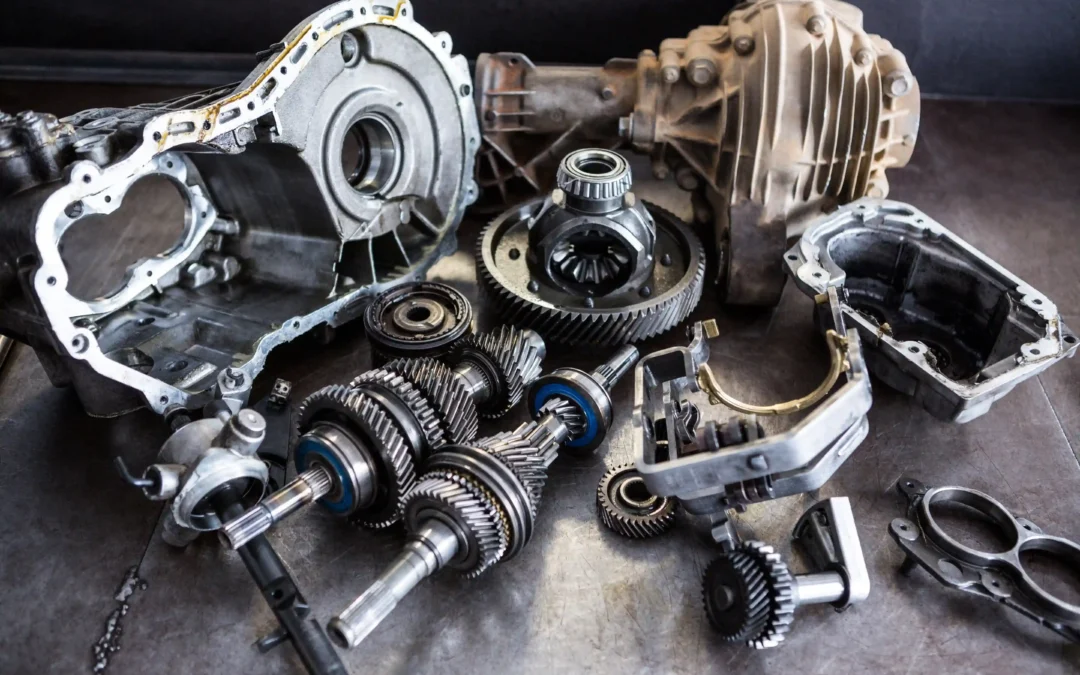
What Is a Scrap Transmission Worth in Canada?
Table of Contents How Much Is a Transmission Worth for Scrap in Toronto? Scrap Transmission Price Per Pound in Ontario Aluminum vs. Steel Transmission Scrap Price Automatic vs. Manual vs. CVT Scrap Value How Much Do Transmissions Weigh? Scrap Value vs. Transmission Cost What Affects the Price? Where to Sell…
What Is an Electric Motor from a Scrap Car Worth in Canada?
Table of Contents How Much Is an Electric Motor from a Scrap Car Worth Right Now? Car With a Blown Motor vs. Selling Electric Parts Separately What Actually Drives Electric Motor Scrap Prices Electric Motors Found in a Car — and What Each One Is Worth Who\'s Asking This, and…
Catalytic Converter Theft Is Hitting Toronto Hard — What to Do If Yours Is Targeted
Table of Contents Why Toronto Is a Hotspot for Catalytic Converter Theft How to Tell If Your Catalytic Converter Was Stolen Will your car start if someone steals your catalytic converter? What should I do if someone steals my catalytic converter? Why Catalytic Converters Are Stolen (And What Thieves Do…

Where to find customer reviews for scrap car parts retailers in Canada?
Table of Contents Why Review Research Matters Before You Sell to a Scrap Yard Best Websites to Read Scrap Yard Reviews Are Google Reviews Reliable for Auto Salvage Yards? Is BBB Good for Checking Scrap Car Buyers? How Do I Know If a Scrap Yard Is Legit? What to Look…