
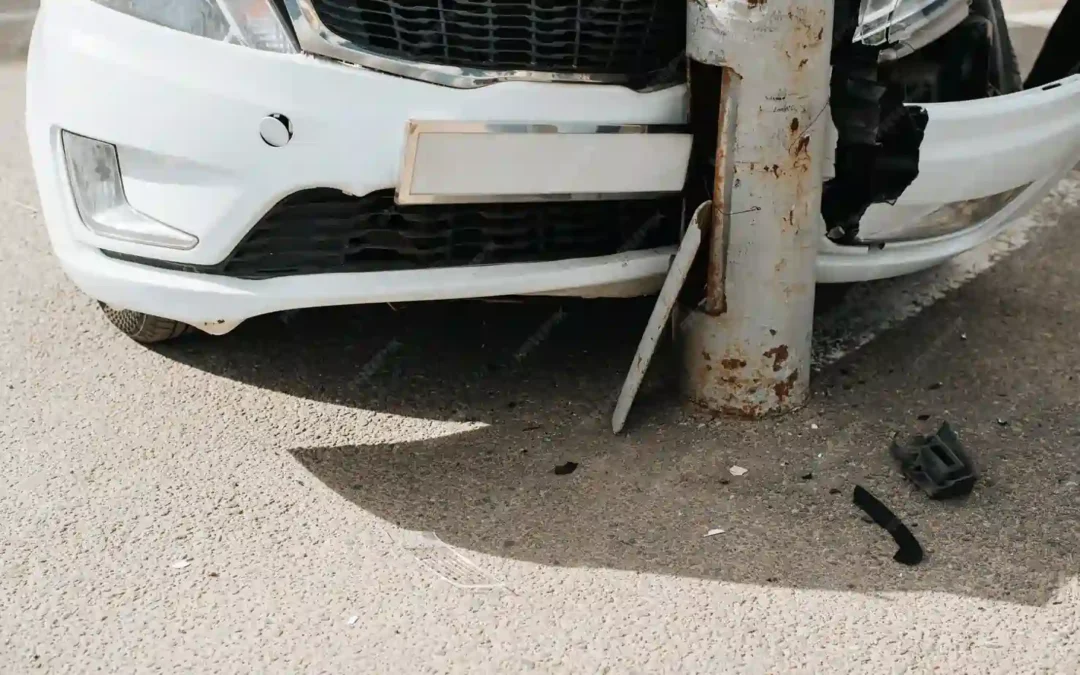
A car that stops working completely can turn into a daily headache. It sits in your parking space, collects dust, and slowly becomes a burden. Many Toronto car owners delay the decision to scrap because they think removal will be complicated or expensive. This confusion often leads to wasted time and unnecessary repair spending.
Even if your vehicle does not start or cannot be towed in a normal way, you still have clear options. Once you understand the right steps, the process becomes smooth and manageable. This guide explains how to scrap a non-running car in Toronto in a practical way so you can make a confident decision without stress.
Before you call anyone, it helps to know how much your scrap car is worth in Toronto so you can recognize a fair offer the moment you get one.
Can You Scrap a Car That Does Not Run?
Yes. Scrap yards in Toronto accept vehicles in any condition, even those that cannot move at all. This applies to every category, from sedans and SUVs to cube vans, motorcycles, and hybrids, as shown in our guide to the types of vehicles scrap car buyers buy in Toronto.
Non-running cars still hold value because of the metal weight and reusable parts. Many owners assume the vehicle must be functional before scrapping. That is not required. Recyclers focus on material recovery and part salvage rather than road readiness.
For an Ontario-wide view of how Ontario scrap yards buy non-running cars, including paperwork and towing, refer to our dedicated eligibility guide.
What Makes a Car Non-Towable?
A vehicle becomes non-towable when standard towing methods cannot move it safely.
This usually happens due to serious mechanical or structural issues such as locked wheels, broken suspension, or severe accident damage. In such cases, special tools or flatbed transport become necessary. Professional recyclers handle these situations with proper equipment.
Step-by-Step Process to Scrap a Dead Car in Toronto
Understanding each step helps you avoid confusion. The process is simple when you know what to expect.
Step 1 Confirm Ownership
You must prove legal ownership before scrapping. This protects both you and the recycler.
Keep these ready.
- Vehicle ownership document
- Government photo identification
- Loan clearance if the car was financed
If documents are missing, you can request replacements from the local authority.
If the vehicle isn’t actually yours — say, a previous tenant or visitor left it behind — the process is different; see our guide on removing a vehicle someone else abandoned on your property
Also Read: Can You Scrap a Car Without Proof of Ownership in Ontario?
Step 2: Get a realistic quote
A non-running vehicle still has scrap value. Before you request quotes, find junk car buyers that accept all vehicle conditions so a dead or non-towable car doesn’t get declined on the phone. You can get an instant quote through our cash for junk car Toronto service before scheduling pickup.
- Vehicle weight
- Condition of major components
- Market price of scrap metal
- Demand for usable parts
If you want specific price ranges before calling anyone, see how much you can get for a car that doesn’t start for a full size-by-size breakdown
Also Read: What are the top companies to sell a scrap car in Canada?
Step 3 Arrange pickup for non-towable vehicles
Special pickup is required when the car cannot move normally.
Recyclers may use.
- Flatbed trucks
- Wheel dollies
- Hydraulic winches
Step 4 Clear personal belongings
Check the vehicle carefully before pickup.
Look inside storage areas such as.
- Trunk
- Glove box
- Under seats
Step 5: Cancel insurance and return plates
After scrapping, contact your insurance provider to cancel the insurance policy. Return license plates to avoid future liability.
Also Read: How to prepare a scrap car for selling to a salvage yard?
How Long Does The Scrapping Process Usually Take
Usually, the full scrapping process takes around 4-5 days, whereas the pick and payment happen within 24-48 hours.
If ownership documents are ready and vehicle access is simple, removal can happen quickly. Non-towable cars may need extra planning, especially in tight parking spaces. Most recyclers complete paperwork and payment on the same day as pickup. Delays happen mainly due to missing documents or difficult vehicle location.
What If The Car Is Parked in a Difficult Spot
Removal is still possible even in tight or underground parking areas.
Professional teams inspect access conditions before sending equipment. They may use smaller trucks or adjust pickup timing to manage space restrictions. Planning avoids last-minute complications.
For example, our scrap car removal in Etobicoke team regularly handles pickups from condo garages and tight residential streets using the same flatbed and winch equipment.
Common Mistakes to Avoid When Scrapping a Dead Car
Many owners lose time or money due to simple errors.
Avoid these.
- Spending on major repairs before scrapping
- Accepting unclear pricing offers
- Ignoring paperwork preparation
- Leaving personal items inside
- Choosing unlicensed recyclers
How Scrap Value is Decided for Non-Running Vehicles
Scrap value depends on practical factors related to recycling potential.
Important factors include.
- Current metal rates
- Vehicle weight
- Condition of the engine and catalytic converter
- Demand for spare parts
To see how these factors turn into real offers, read how much you can get for a car that doesn’t start
Also Read: How Do Junk Car Buyers Verify Vehicle History Before Purchase?
When Scrapping Makes More Sense Than Repair
Scrapping becomes the smarter choice when repair costs exceed the vehicle’s usable value.
Clear signs include.
- Repeated mechanical failures
- Major engine replacement requirement
- Severe rust damage
- Failed safety or emissions checks
Final thoughts
Scrapping a non-running car in Toronto may feel overwhelming at first, but the process becomes simple once you understand the right steps. Preparation, clear documentation, and choosing an experienced recycler can save both time and effort.
Many vehicle owners prefer trusted services like Scrap Car Buyer Toronto because they handle complex removals professionally and guide customers through each stage. Making the right decision at the right time helps you clear space, avoid repair stress, and move forward with confidence.
Frequently Asked Questions
Q1. Can I scrap a car in Toronto that does not start or move?
Yes, Scrap Yards in Toronto will take any vehicle, no matter the condition. Non-running cars are still worth something for their weight in metal and reusable parts; there’s no requirement for road readiness when it comes to scrapping.
Q2. What makes a car non-towable?
A car is non-towable when it can’t be safely towed on its own as per regular towing methods. It’s usually because of locked wheels, broken suspension or a heavy accident that needs flatbed transport and other types of equipment to haul instead of a tow.
Q3. Do I need paperwork to scrap a junk car that does not run in Toronto?
First, you need to bring three things: your vehicle ownership document (the pink slip), a government-issued photo ID and loan clearance from a lender if the car was financed. Should any documents not be in place, the local authority can request replacements prior to proceeding.
Q4. How Do They Calculate Scrap Value for a Car That Doesn’t Run?
Recyclers use four criteria to assign scrap value: the current market price of scrap metal, total vehicle weight, condition of major components like an engine and catalytic converter, and demand for usable spare parts.
Q5. Which equipment to use if the car cannot be towed like normal?
Non-Towing Professional Recyclers can use flatbed trucks, wheel dollies, or hydraulic winches as needed based on the car’s condition and position. When you call for a quote, all you have to do is explain the scenario and they will send out the appropriate equipment.
Q6. What if my non-operational vehicle is in a confined or underground parking space?
Removal is still possible. Teams of pros check access conditions before staging equipment, and may only use smaller trucks or adjust a pickup time to fit space limitations. Planning ahead avoids last-minute complications.
Q7. What is the process for scrapping a non-working car in Toronto?
Pickup and payment happen within 24–48 hours usually, when documents are ready. The entire process usually takes about 4–5 days. The most common reasons for a delay are missing paperwork, or a hard to find vehicle.
Q8. Do I have to cancel my car insurance after scrapping?
Yes. Once the vehicle has been scrapped, call your insurance company as soon as possible to cancel coverage and return your license plates so that you’re no longer liable for something you don’t own.
Q9. What are the common mistakes people make when scrapping a dead car?
Some of the worst blunders include paying for expensive repairs before scrapping, accepting high or vague price quotes, failing to prepare paperwork properly, leaving personal items in the vehicle and using unlicensed recyclers.
Q10. When does something cost more to repair than to scrap?
Scrapping becomes the more attractive option when repair costs exceed the true active value of a vehicle. Red flags are repeated mechanical breakdowns, a major engine replacement need, serious rust damage or a fateful safety or emissions inspection.
Related Posts

Sworn Statement for Vehicle Transfer in Ontario: Full Guide
Table of Contents Which Sworn Statement Do You Need? (1157E vs. 1155E) Who Qualifies for a Tax-Free Family Gift Documents to Bring to ServiceOntario How to Transfer Ownership of a Car in Ontario: Step by Step How to Sign Over Ownership of a Car (Donor Checklist) How to Fill Out…
Buying a Salvage Title Car in Ontario: Risks, Costs & Red Flags
Table of Contents What Is a Salvage Title on a Car? Ontario\'s Vehicle Brands: Salvage vs. Rebuilt vs. Irreparable Why a Car Gets Branded Salvage in the First Place Going From Salvage to Rebuilt: The Ontario Process Where Salvage Title Cars Come From: Auctions in Ontario The Real Risks of…
Title Jumping in Ontario: What Every Car Seller Needs to Know
Table of Contents What Is Title Jumping? Is Title Jumping Illegal? Is It a Crime? How to Properly Transfer Car Ownership in Ontario What Happens If You Don\'t Transfer Ownership If the Seller Won\'t Transfer the Title How to Report Suspected Title Jumping or Fraud How to Avoid Title Jumping…
Vehicle Bill of Sale Ontario: Why It’s Important & How to Get One
Table of Contents What Is a Vehicle Bill of Sale? Why a Bill of Sale Is So Important in Ontario Ontario\'s Legal Requirements Where to Get a Bill of Sale in Ontario How to Write a Bill of Sale for a Vehicle Bill of Sale vs. Car Sale Purchase Agreement…
The Certificate of Destruction: Your Legal Proof When a Car Is Scrapped
Table of Contents What is a certificate of destruction? Why Do You Need a Certificate of Destruction? Certificate of Destruction in Ontario: RPRA vs. EASR Do I Need a Certificate of Destruction to Scrap My Car in Ontario? What Documents Do I Need to Scrap My Car in Canada? What…

Free Ontario Used Vehicle Bill of Sale Template (2026)
Table of Contents What Is a Bill of Sale, and Do You Actually Need One in Ontario? What has to be on a Used Vehicle Bill of Sale As-Is vs. Certified - Which Box Do You Check? How to Fill Out a Used Vehicle Bill of Sale Not Selling Privately?…
What Is a Scrap Transmission Worth in Canada?
Table of Contents How Much Is a Transmission Worth for Scrap in Toronto? Scrap Transmission Price Per Pound in Ontario Aluminum vs. Steel Transmission Scrap Price Automatic vs. Manual vs. CVT Scrap Value How Much Do Transmissions Weigh? Scrap Value vs. Transmission Cost What Affects the Price? Where to Sell…
What Is an Electric Motor from a Scrap Car Worth in Canada?
Table of Contents How Much Is an Electric Motor from a Scrap Car Worth Right Now? Car With a Blown Motor vs. Selling Electric Parts Separately What Actually Drives Electric Motor Scrap Prices Electric Motors Found in a Car — and What Each One Is Worth Who\'s Asking This, and…
Catalytic Converter Theft Is Hitting Toronto Hard — What to Do If Yours Is Targeted
Table of Contents Why Toronto Is a Hotspot for Catalytic Converter Theft How to Tell If Your Catalytic Converter Was Stolen Will your car start if someone steals your catalytic converter? What should I do if someone steals my catalytic converter? Why Catalytic Converters Are Stolen (And What Thieves Do…

Where to find customer reviews for scrap car parts retailers in Canada?
Table of Contents Why Review Research Matters Before You Sell to a Scrap Yard Best Websites to Read Scrap Yard Reviews Are Google Reviews Reliable for Auto Salvage Yards? Is BBB Good for Checking Scrap Car Buyers? How Do I Know If a Scrap Yard Is Legit? What to Look…