

TL;DR (Summary)
- Only the named executor or court-appointed estate trustee can legally scrap or sell an inherited car in Ontario
- Key documents needed: death certificate, vehicle ownership permit, will/probate proof, and executor ID
- Scrapping makes sense when repair costs exceed the car’s value, or the estate needs quick asset settlement
- Clear any outstanding loan or lien on the vehicle before proceeding with disposal
- Always use a licensed scrap car removal service to stay compliant with Ontario’s environmental and legal rules
- Notify ServiceOntario, cancel insurance, and return licence plates as part of the closing steps
Who Can Legally Make Decisions About the Car
The first thing to check is authority. Only the executor named in the will can handle estate assets. If there is no will, the court appoints an estate trustee. This person manages the car, along with other belongings.
Family members often assume they can act immediately. That can cause disputes later. Always confirm legal authority first. It protects everyone involved and keeps the process clean.
Can an Executor Sell or Scrap a Car Without Probate?
In most cases, yes. If there’s a valid will, Ontario’s Ministry of Transportation allows an executor to sell or scrap the vehicle using a notarized copy of the will and the death certificate — a full probate certificate isn’t always required first.
Probate becomes necessary when there’s no will, when another beneficiary disputes the executor’s authority, or when a specific buyer or scrapyard asks for a probate certificate before proceeding. Many scrap car buyers accept a notarized will and death certificate without waiting for probate — always confirm this directly with the buyer before towing is arranged.
If there’s no will, only a court-appointed estate trustee can authorize the sale or scrap, and probate (a Certificate of Appointment of Estate Trustee) is required first.
How Probate Affects an Inherited Vehicle
No — Ontario doesn’t always require probate to sell or scrap an inherited car. Probate confirms that the will is valid and that the executor has legal control, but many estates can move forward without a full probate certificate, especially when a valid will already names the executor. Still, many buyers and service providers ask for proof before they accept a transaction.
If the car has little value, probate may not always be required. Yet the executor should confirm this with legal guidance on vehicle transfers by estates in Ontario. Taking the wrong step can delay the entire estate settlement.
Important Documents You Will Need
Paperwork makes or breaks this process. Missing documents can stop progress for weeks.
Keep these ready before you contact any buyer or scrapyard
- Death certificate
- Vehicle ownership permit
- Copy of the will or probate proof
- Executor identification
- Bill of sale or disposal agreement
- Licence plate portion
Don’t have the ownership permit on hand? Here’s what to do if you’re scrapping a car without proof of ownership
Store copies in one place. Estate tasks often stretch over months, and you may need them again.
When Scrapping the Vehicle Makes Practical Sense
Some inherited cars are simply not worth keeping. Repairs may cost more than the vehicle’s value. Insurance and storage can add an extra burden.
Scrapping becomes the logical step when
- The car has major damage or rust
- It has been unused for a long time
- It fails the safety inspection.
- Repair estimates feel unrealistic.
- The estate needs a quick asset settlement
If the vehicle isn’t tied to an estate, see our general guide on disposing of an old broken-down vehicle
Executors must think about the estate’s financial interest. Emotional value matters, but practical decisions help move things forward
Also Read: How to Scrap a Non-Running Car in Toronto (Even If It’s Not Towable)
Selling vs. Scrapping an Inherited Car: Which Makes Sense?
Selling the Car Privately
This works best when the car runs, has a valid safety certificate, and the estate has clear title through the will or probate. A private sale usually returns more money than scrapping. Still, it takes longer — expect to spend time listing, showing, and negotiating, which can slow down estate settlement if beneficiaries are waiting to close things out.
Transferring Ownership Instead of Selling
Sometimes a beneficiary wants to keep the car rather than sell or scrap it. In that case, the executor transfers ownership at a ServiceOntario location using the death certificate, the will (or probate documents, if required), and a completed ownership transfer application. No money changes hands, but the same probate rules from above still apply — see our guide on transferring ownership of a vehicle in Ontario if you’re keeping the car in the family rather than disposing of it.
Scrapping the Car
Scrapping is the right call when repairs cost more than the car is worth, the vehicle fails a safety inspection, or the estate needs a fast, guaranteed sale without the uncertainty of finding a private buyer. It’s also the simplest option to administer — a licensed scrap buyer handles pickup, paperwork, and payment in a single visit, which matters when you’re already managing other estate tasks.
If scrapping is the right fit, the step-by-step process below walks through exactly what to expect.
| Option | Typical Payout | Speed | Best For |
|---|---|---|---|
| Keep & Repair | None (ongoing cost) | Slowest | A running vehicle a beneficiary wants to use |
| Sell Privately | Highest | Slower (days to weeks) | Vehicles in good condition with clear title |
| Scrap | Fair scrap value | Fastest (same-day possible) | Damaged, non-running, or unwanted vehicles |
Step-by-Step Process to Scrap an Inherited Car in Ontario
Follow these steps to keep the process smooth and lawful
1. Confirm executor authority through the will or court document
2. Gather all ownership and estate paperwork
3. Cancel the insurance policy linked to the vehicle
4. Return licence plates if required by ServiceOntario
5. Get a realistic scrap value estimate
6. Choose a licensed disposal service
7. Complete ownership transfer or disposal documents
This structured approach prevents confusion and avoids delays.
What Happens if There Is a Loan or Lien on the Car
Sometimes the vehicle still has an unpaid loan. In such cases, you cannot scrap or sell it until the balance clears. The lender holds legal interest in the asset.
Contact the lender early. They will explain the settlement process. The estate must resolve this obligation before moving forward.
Also Read: Can I scrap a car with a lien in Ontario?
Tax and Estate Reporting Considerations
Vehicle scrapping rarely creates major tax issues. Still, the executor must record the transaction. Estate accounts should reflect the amount received from the disposal.
For a clearer explanation of when a vehicle disposal could have reporting implications, see our guide to the tax implications of selling an inherited junk car.
Clear records help during estate distribution. They also reduce the risk of disputes among beneficiaries.
Environmental Rules You Should Know Before Scrapping
Ontario promotes responsible vehicle recycling. Licensed scrap facilities follow rules for fluid removal, metal recovery, and waste management.
For the full legal process outside of an estate context, see how to legally scrap a car in Ontario
Using an approved service keeps the process legal and safe. It also supports environmental responsibility, which is part of modern estate management.
Mistakes Families Often Make With Inherited Vehicles
Many problems arise from rushed decisions. People may try to sell or scrap the car before legal steps are complete.
Common errors include
- Ignoring probate requirements
- Accepting low scrap offers without checking value
- Forgetting to cancel insurance
- Misplacing ownership documents
- Overlooking outstanding loans
Avoiding these mistakes keeps the estate settlement stress-free.
Choosing the Right Service for Vehicle Disposal
Executors often look for services that understand estate situations. A good provider explains paperwork clearly and handles towing without delay.
Look for:
- Clear pricing and proper licensing
- Experience with estate-related vehicle cases
- Help with documentation and plate return.
- Quick scheduling and free towing
Using a trusted scrap car removal option makes the process easier for families already dealing with loss.
Conclusion
Dealing with an inherited vehicle involves legal checks, paperwork, and careful timing. Executors must follow estate rules and make financially sound choices. When a car no longer holds practical value, scrapping becomes a sensible solution. Many families rely on services like Scrap Car Buyer Toronto to handle disposal smoothly while meeting legal and environmental requirements. Taking the right steps early helps close this part of the estate with less stress and more clarity.
Frequently Asked Questions
Q1. Are vehicles subject to probate in Ontario?
Yes a vehicle is an estate asset and can be probated in Ontario. But probate is not always required. If the vehicle was owned jointly with the right of survivorship, it transfers automatically to the co-owner. If there is a valid will, the executor can transfer title to the vehicle based on the will and death certificate without having a full probate certificate from court.
Q2. Can an executor sell a vehicle before or without probate?
Yes — an executor can typically sell or scrap a vehicle both before probate has been granted and, in many cases, without it ever being required. When there is a valid will, the executor’s authority derives not from statute but directly from the will itself. The Ministry of Transportation (MTO) permits an executor to transfer or sell the vehicle based on submission of a notarized will and death certificate — no need to wait until probate has been granted. If there is no will, then the appointment of an authority by the court is necessary before any sale or disposal can take place.
Q3. Can a next of kin sell a deceased car?
Next of kin cannot automatically sell a deceased person’s car without legal authority. Only the named executor in the will or a court-appointed estate trustee where no will exists has the legal right to sell or scrap the vehicle. Next of kin must first establish their legal authority through the estate process before proceeding with any sale or disposal.
Q4. Does scrapping an inherited car affect estate tax in Ontario?
Ontario does not have a provincial estate tax, so scrapping an inherited car rarely creates a direct tax liability. However, the executor must record the scrap transaction in the estate accounts, as the amount received forms part of the estate’s value. Clear records help during estate distribution and reduce the risk of disputes among beneficiaries. Always consult a licensed estate lawyer if the vehicle holds significant value.
Q5. What documents does a scrap yard need for an estate vehicle?
A licensed scrap yard will typically require the following documents for an estate vehicle:
- Death certificate of the registered owner
- Vehicle ownership permit (green slip)
- Executor identification (government-issued ID)
- Notarized copy of the will or probate proof confirming executor authority
- Sworn Declaration of Entitlement ((affidavit confirming no liens on the vehicle)
- Bill of sale or disposal agreement
- Licence plate portion for return to ServiceOntario
Having all documents ready before contacting a buyer avoids delays and keeps the estate settlement process on track.
Q6. Can I sell an inherited car privately instead of scrapping it in Ontario?
Yes, provided the executor has legal authority — through the will or probate — and the vehicle has a valid safety certificate for the sale. Private sales typically return more money than scrapping, but take longer to complete, which matters if the estate needs to settle quickly. If the car is damaged, non-running, or failed inspection, a licensed scrap buyer is usually the faster and more practical route.
Q7. What if the deceased was the sole owner and there was no will?
When there’s no will, the vehicle becomes part of an “intestate” estate, and the court must appoint an estate trustee before anyone can legally sell or scrap the car. This requires a full probate application. Until a trustee is appointed, no one — including next of kin — has legal authority to dispose of the vehicle.
Q8. How long does an executor have to deal with an inherited vehicle?
Ontario doesn’t set a fixed deadline for a specific asset like a vehicle, but executors are generally expected to settle the estate within a reasonable time — often referred to as “the executor’s year.” Leaving a car unused for months can also lead to storage costs, insurance lapses, or municipal parking issues, so it’s worth handling early in the process.
Q9. Who legally receives the money from scrapping a deceased person's car?
The proceeds belong to the estate, not to the executor personally. The executor must deposit the payment into the estate’s account and record it in the estate accounts, where it’s eventually distributed to beneficiaries according to the will — or Ontario’s intestacy rules if there is none.
Q10. Is a small estate handled differently when scrapping a car?
Ontario’s simplified Small Estate process — currently available for estates valued at $150,000 or less — can reduce the paperwork and cost of getting probate, but it doesn’t remove the need for legal authority. If a small estate still requires probate to satisfy a buyer or ServiceOntario, the simplified application is faster than standard probate, though the same core documents (death certificate, ownership permit, executor ID) are still required. Since this threshold is set by regulation, it’s worth confirming the current figure with an estate lawyer before relying on it.
Related Posts

Free Ontario Used Vehicle Bill of Sale Template (2026)
Table of Contents What Is a Bill of Sale, and Do You Actually Need One in Ontario? What has to be on a Used Vehicle Bill of Sale As-Is vs. Certified - Which Box Do You Check? How to Fill Out a Used Vehicle Bill of Sale Not Selling Privately?…
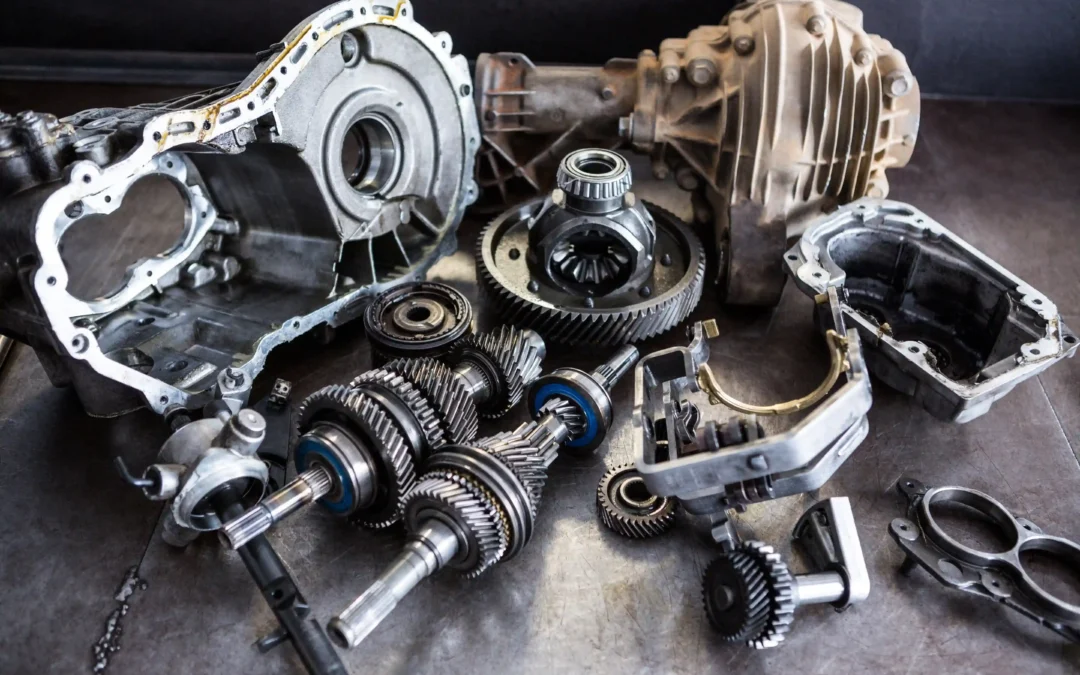
What Is a Scrap Transmission Worth in Canada?
Table of Contents How Much Is a Transmission Worth for Scrap in Toronto? Scrap Transmission Price Per Pound in Ontario Aluminum vs. Steel Transmission Scrap Price Automatic vs. Manual vs. CVT Scrap Value How Much Do Transmissions Weigh? Scrap Value vs. Transmission Cost What Affects the Price? Where to Sell…
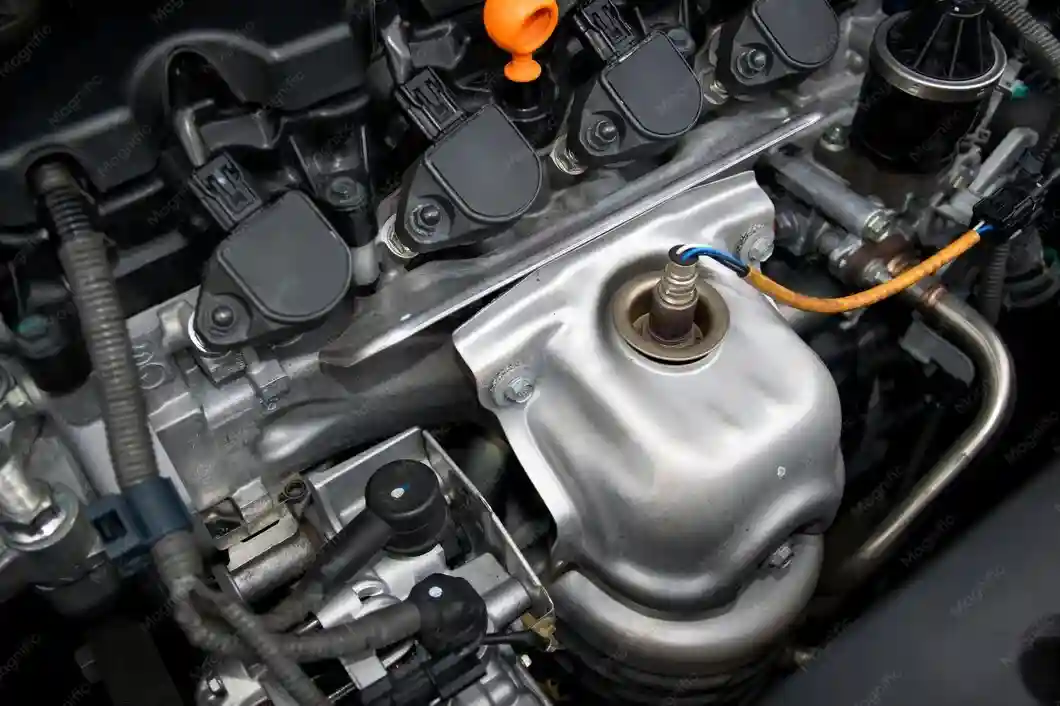
What Is an Electric Motor from a Scrap Car Worth in Canada?
Table of Contents How Much Is an Electric Motor from a Scrap Car Worth Right Now? Car With a Blown Motor vs. Selling Electric Parts Separately What Actually Drives Electric Motor Scrap Prices Electric Motors Found in a Car — and What Each One Is Worth Who\'s Asking This, and…
Catalytic Converter Theft Is Hitting Toronto Hard — What to Do If Yours Is Targeted
Table of Contents Why Toronto Is a Hotspot for Catalytic Converter Theft How to Tell If Your Catalytic Converter Was Stolen Will your car start if someone steals your catalytic converter? What should I do if someone steals my catalytic converter? Why Catalytic Converters Are Stolen (And What Thieves Do…

Where to find customer reviews for scrap car parts retailers in Canada?
Table of Contents Why Review Research Matters Before You Sell to a Scrap Yard Best Websites to Read Scrap Yard Reviews Are Google Reviews Reliable for Auto Salvage Yards? Is BBB Good for Checking Scrap Car Buyers? How Do I Know If a Scrap Yard Is Legit? What to Look…
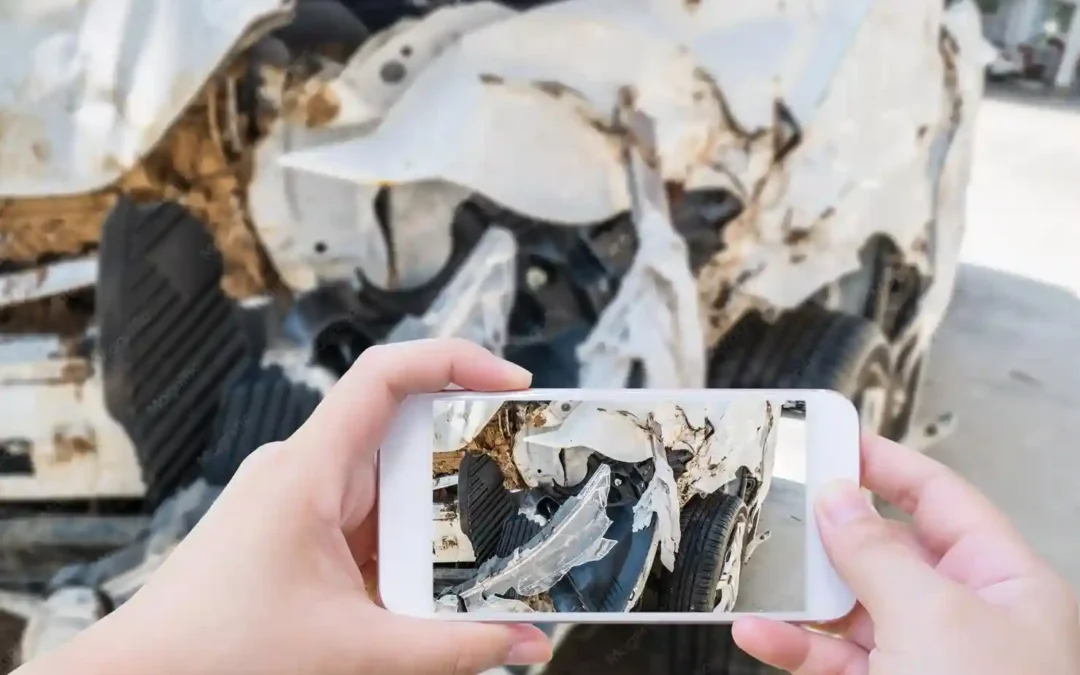
The “Bait-and-Switch” Scrap Car Scam Costing Toronto Drivers Hundreds
Table of Contents What Is a Bait-and-Switch Scrap Car Scam? How It Actually Plays Out Why the Price Drops on Arrival Is It Legal for a Buyer to Change the Price at Pickup? Licensed vs. Unlicensed Scrap Car Buyer in Toronto What Actually Determines a Fair Scrap Value Signs of…
Are there specific requirements for scrapping a larger commercial vehicle?
Table of Contents What Counts as a \"Larger Commercial Vehicle\" in Ontario? Requirements for Scrapping a Commercial Vehicle How to Scrap a Commercial Vehicle in Ontario: Step by Step Documents Needed to Scrap a Commercial Vehicle Difference Between Scrapping a Car and a Commercial Vehicle Can a Business Scrap a…
How Scrap Car Prices Change With Metal Market Swings
Table of Contents Why Scrap Car Prices Rise and Fall Week to Week Ferrous vs. Non-Ferrous: Two Completely Different Pricing Systems The Catalytic Converter Wildcard Battery Metals and Your Scrap Offer How Ontario Reacts to Global Metal Shortages Why Toronto Rates Can Beat the Rest of Ontario Why Two Similar…
Why Ontario Cars Rust Out Faster: Road Salt and When to Scrap
Table of Contents Why Do Ontario Cars Rust Faster Than Other Provinces? How Does Road Salt Cause Rust? Calcium Chloride vs Sodium Chloride Car Damage Why Does Rust Start on the Underside of a Car? Surface Rust vs Structural Rust: How to Tell Them Apart Ontario Car Rust: Key Facts…
What Types of Vehicles Do Scrap Car Buyers Buy in Toronto?
Table of Contents Passenger Cars: Sedans, Hatchbacks & Coupes SUVs, Crossovers & Minivans Pickup Trucks & Light-Duty Trucks Commercial, Fleet & Heavy-Duty Vehicles Motorcycles, ATVs & Powersports Damaged, Non-Running & Salvage/Write-Off Vehicles Electric & Hybrid Vehicles: A Growing Category What Scrap Yards Typically Won\'t Take Vehicle Types Accepted — Quick…