
Scrapping vehicles in Ontario falls under the Environmental Protection Act (O. Reg. 85/16), requiring end-of-life vehicle (ELV) sites to register via the Environmental Activity and Sector Registry (EASR) for activities like crushing or shredding. Owners must transfer ownership using the vehicle permit (pink slip), remove and return license plates to ServiceOntario, and notify the Ministry of Transportation (MTO) to deregister and avoid liability.
Licensed recyclers must remove fluids (fuel, oil, antifreeze), batteries, mercury switches, and lead tire weights on impermeable surfaces before processing, with spill prevention plans, weekly inspections, and storage limits (e.g., hazardous materials sealed for ≤24 months).
Ontario clear rules that control how vehicles should be dismantled, recycled, and removed from ownership records. These regulations protect the environment, prevent illegal resale of unsafe vehicles, and make sure owners properly transfer responsibility for the car.
If you are planning to scrap an old vehicle, it helps to understand the legal process first. Knowing the regulations helps you avoid paperwork problems, ownership issues, or delays during the process. Keep reading to understand how scrapping a vehicle works in Ontario and what steps you need to follow.
Ontario’s Environmental Protection Act requires all end-of-life vehicles to be processed through a certified facility — our Toronto auto recycling process is fully compliant with these regulations.
Why Vehicle Scrapping is Regulated in Ontario
Vehicle scrapping is not just about sending a car to a junkyard. Cars contain materials such as oil, coolant, batteries, tires, and metal components that must be handled carefully. If they are not processed correctly, they can harm soil, water, and air.
Ontario regulations focus on three key goals.
- Protecting the environment through proper recycling
- Ensuring unsafe vehicles are removed from the road
- Preventing fraud related to vehicle ownership and resale
Authorized recyclers follow environmental guidelines and proper dismantling procedures. This ensures reusable parts are recovered safely while hazardous materials are disposed of responsibly.
These standard end-of-life vehicle rules are written with passenger cars and light trucks in mind. If you’re dealing with a delivery van, box truck, or other larger commercial vehicle, there are some additional scrapping requirements worth reviewing first.
Also Read: Environmental Benefits of Scrapping Your Old Car in Toronto
Legal Requirements Before Scrapping a Vehicle
Before a vehicle can be scrapped in Ontario, owners must confirm they have the legal authority to dispose of it. The vehicle must belong to the person arranging the scrapping process. Here are the basic requirements.
1. Proof of ownership
The owner must have the vehicle ownership document. This proves the car legally belongs to them. Without it, most scrap buyers will refuse the vehicle.
2. Valid identification
Government-issued identification is usually required to verify the owner’s identity during the transaction.
3. Clear ownership status
If there are outstanding loans or liens on the vehicle, they must be resolved before the car can be scrapped.
Once you understand the regulations, focus on how to choose a compliant scrap car removal company in Toronto that meets all these rules.
How the Vehicle Ownership Transfer Process Works
One of the most important regulations involves transferring ownership of the vehicle before it is dismantled.
When a car is scrapped, the ownership must be transferred to the buyer or recycling facility. This protects the original owner from future liability. The process usually involves these steps.
- The owner signs the vehicle ownership permit.
- The scrap buyer records the transfer details.
- The buyer takes responsibility for the vehicle after pickup.
Also Read: How to Legally Transfer Ownership of a Scrap Vehicle in Ontario?
Documents Needed When Scrapping a Car
Most scrap buyers in Ontario request a small set of documents before accepting a vehicle. These typically include.
- Vehicle ownership permit
- Government issued photo identification
- Signed bill of sale or transfer form if required
Also Read: What Documents Do I Need to Scrap my Car Legally in Canada?
What Happens to a Vehicle After It Is Scrapped
Many people assume that scrapped vehicles are simply crushed and discarded. In reality the process is more structured. After a vehicle arrives at a recycling facility, it usually goes through several stages:
Stage 1 Inspection and part removal
Usable components such as engines, transmissions, mirrors, lights, and electronics may be removed for resale.
Stage 2 Fluid draining
All automotive fluids, including oil, coolant, and fuel, are drained and stored safely for disposal or recycling.
Standard end-of-life vehicle rules cover fluids like oil and coolant, but EV battery disposal follows its own regulatory path under Ontario’s hazardous-waste framework — one more reason to confirm your buyer is actually equipped to handle it before booking a pickup.
Stage 3 Material separation
Metal parts are sorted and processed for recycling. Steel and aluminum from vehicles are among the most commonly recycled materials.
Stage 4 Crushing and recycling
The remaining shell of the vehicle is crushed and sent to metal recycling facilities.
Can You Scrap a Car Without Registration
Many vehicle owners worry about what happens if their registration has expired. In most cases, a vehicle can still be scrapped even if it is not currently registered.
Registration mainly affects road use. Scrapping a vehicle usually only requires proof of ownership rather than active registration.
However, the ownership document is still essential. Without it, additional steps may be required to confirm ownership through ServiceOntario.
Fines for Illegal Scrapping
Unlicensed sites violate EPA Section 20.21(1)(a), facing fines up to $100,000/day for individuals or $500,000 for corporations, plus potential site closure.
Deregistration Timeline
MTO deregistration takes 5-10 business days online/via ServiceOntario; do it immediately after transfer to stop liability.
Check Licensed Scrap Yards
Search Access Environment by facility name/location for EASR registration to avoid unlicensed operators.
Certificate of Destruction Explained
A Certificate of Destruction (from recyclers) proves the vehicle is irreparable and scrapped; recommended (not always mandatory) for records, kept 7 years.
Scrap Without Title?
If no ownership:
- Apply for duplicate via ServiceOntario ($32 fee).
- Lien release if applicable.
- Some GTA recyclers assist with affidavits – contact Scrap Car Buyer Toronto for help.
Conclusion
Scrapping a vehicle in Ontario involves more than just getting rid of an old car. There are clear regulations that protect both vehicle owners and the environment. Understanding ownership transfer, documentation requirements, and recycling rules helps ensure the process is done correctly.
When handled properly, vehicle recycling becomes a responsible and efficient way to dispose of cars that are no longer usable. For owners looking for a simple and reliable process, services like Scrap Car Buyer Toronto can help handle the paperwork, pickup, and legal steps involved in scrapping a vehicle.
Frequently Asked Questions
Q1. How do I legally scrap a car in Ontario?
To legally scrap a car in Ontario, you need to prove ownership, remove your licence plates, sign the vehicle ownership permit, and transfer the vehicle to a licensed recycler or scrap yard. You should also notify ServiceOntario or the Ministry of Transportation so the vehicle is removed from your records and you are no longer liable for it.
Q2. What are the new rules for recycling in Ontario?
In Ontario, end-of-life vehicle recycling is regulated under O. Reg. 85/16 of the Environmental Protection Act, which requires eligible vehicle recycling sites to register in the Environmental Activity and Sector Registry (EASR). Licensed recyclers must properly remove and store fluids, batteries, and other hazardous materials before crushing or dismantling vehicles to reduce environmental harm.
Q3. Do I need to remove my licence plates before scrapping my car?
Yes, you should remove your licence plates before the vehicle is picked up or taken to the scrap yard. In Ontario, the plates belong to you, not the car, and they should be returned to ServiceOntario or kept for transfer to another vehicle if eligible.
Q4. How do I transfer ownership when scrapping a car in Ontario?
You transfer ownership by completing the transfer section on the back of the Ontario vehicle ownership permit and signing it as the seller. The buyer or licensed scrap yard is listed as the new owner, which helps protect you from future legal or financial liability connected to the vehicle.
Q5. How can I verify that a scrap yard is licensed in Ontario?
You can verify a scrap yard by checking whether it is registered in Ontario’s Access Environment system for end-of-life vehicle activities under O. Reg. 85/16. This helps confirm the recycler is legally authorized to handle vehicle dismantling, crushing, or recycling activities.
Q6. Do I get a bill of sale or proof that the vehicle was scrapped?
In many cases, yes you should ask for a bill of sale, transfer record, or Certificate of Destruction after the vehicle is scrapped. While the exact document may vary by recycler, keeping written proof is important for your records and helps show that ownership was transferred and the vehicle was disposed of properly.
Related Posts
Are there specific requirements for scrapping a larger commercial vehicle?
Table of Contents What Counts as a \"Larger Commercial Vehicle\" in Ontario? Requirements for Scrapping a Commercial Vehicle How to Scrap a Commercial Vehicle in Ontario: Step by Step Documents Needed to Scrap a Commercial Vehicle Difference Between Scrapping a Car and a Commercial Vehicle Can a Business Scrap a…
How Scrap Car Prices Change With Metal Market Swings
Table of Contents Why Scrap Car Prices Rise and Fall Week to Week Ferrous vs. Non-Ferrous: Two Completely Different Pricing Systems The Catalytic Converter Wildcard Battery Metals and Your Scrap Offer How Ontario Reacts to Global Metal Shortages Why Toronto Rates Can Beat the Rest of Ontario Why Two Similar…
Why Ontario Cars Rust Out Faster: Road Salt and When to Scrap
Table of Contents Why Do Ontario Cars Rust Faster Than Other Provinces? How Does Road Salt Cause Rust? Calcium Chloride vs Sodium Chloride Car Damage Why Does Rust Start on the Underside of a Car? Surface Rust vs Structural Rust: How to Tell Them Apart Ontario Car Rust: Key Facts…
What Types of Vehicles Do Scrap Car Buyers Buy in Toronto?
Table of Contents Passenger Cars: Sedans, Hatchbacks & Coupes SUVs, Crossovers & Minivans Pickup Trucks & Light-Duty Trucks Commercial, Fleet & Heavy-Duty Vehicles Motorcycles, ATVs & Powersports Damaged, Non-Running & Salvage/Write-Off Vehicles Electric & Hybrid Vehicles: A Growing Category What Scrap Yards Typically Won\'t Take Vehicle Types Accepted — Quick…

What Are the Signs It Is Time to Scrap Your Car?
Table of Contents Introduction Sign #1 — When Car Repair Costs More Than Value in Ontario Sign #2 — High Mileage Beyond Practical Use Sign #3 - Declining Resale Value Sign #4 — Repeated and Cascading Breakdowns Sign #5 — Car Failing Ontario\'s Safety Standards Certificate Sign #6 — Structural…
Can I scrap a car with a lien in Ontario?
Table of Contents What Is a Lien on a Car? How to Check If Your Car Has a Lien in Ontario? Can You Scrap a Car with a Lien on It? The Legal Reality What Is a PPSA Lien on a Car in Ontario? What Happens If You Scrap a…
Lost, Stolen or Damaged Licence Plate in Ontario? Here’s Exactly What to Do Next
Table of Contents Why Number Plate Theft and Loss Happens — and Why It Matters Lost License Plate Ontario: Your Step-by-Step Checklist Stolen Licence Plate Ontario: What to Do the Moment You Notice Damaged License Plate Replacement: What Qualifies and What to Do How to Replace a Licence Plate at…
How to Cancel Your Car Insurance After Scrapping Your Car in Ontario?
Table of Contents Introduction What Happens to Car Insurance When You Scrap Your Car in Ontario? Does Car Insurance Automatically Cancel When You Scrap Your Car? When Should You Cancel — Before or After Pickup? Step-by-Step: How to Cancel Car Insurance After Scrapping a Car in Ontario Insurance Refund After…
What are the most expensive parts of a scrap car?
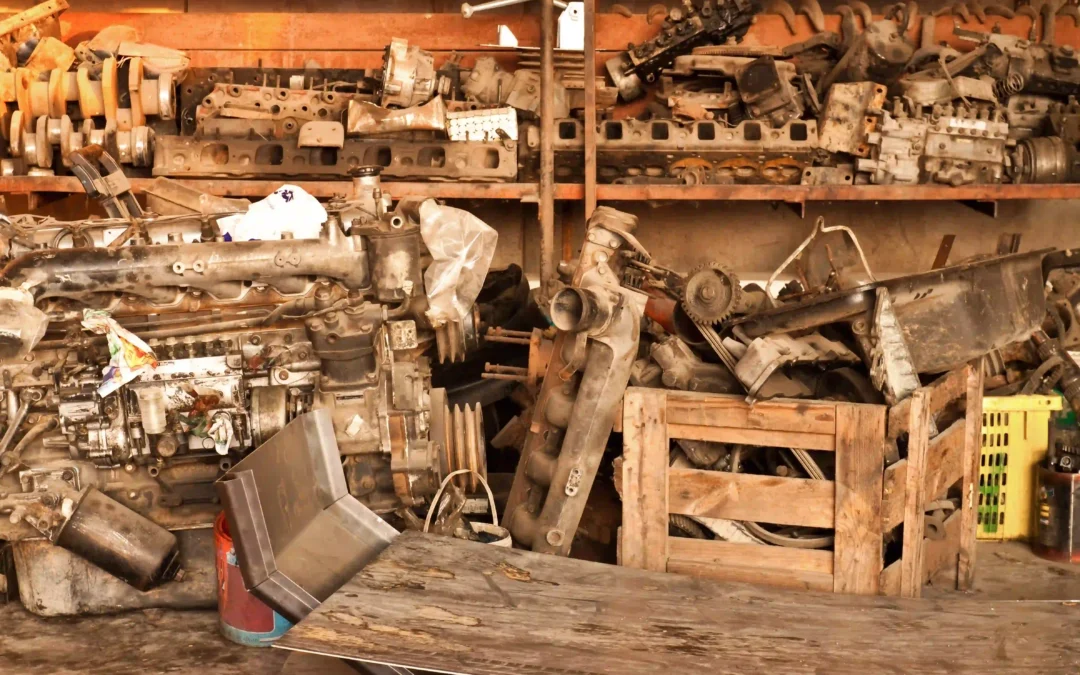
Table of Contents Why Knowing Your Car\'s Most Valuable Parts Matters Why Some Car Parts Are Worth More Than the Whole Vehicle The 9 Most Expensive Parts of a Scrap Car Which Car Parts Contain Precious Metals? Selling Parts vs. Scrapping the Whole Car in Ontario How to Get the…
What VIN details are required for an accurate scrap value quote?
Table of Contents Why Your VIN Matters for a Scrap Quote? How to Look Up a VIN Number: Where to Find It How to Check a Car VIN Number: Decoding What Each Digit Means What VIN Details Does a Scrap Buyer Actually Use? How to Price a Car by VIN:…