
Table of Contents
- Should You Fix Your Car?
- Your Real Options When the Engine Is Gone
1. Sell It As Is to a Private Buyer
2. Sell It to a Junkyard or Salvage Yard
3. Use a Scrap Car Removal Service
4. Part It Out Yourself
5. Trade It In at a Dealership
6. Donate It to a Charity
7. Use It for Parts Within the Family - Which Option Actually Puts the Most Money in Your Pocket?
- Frequently Asked Questions
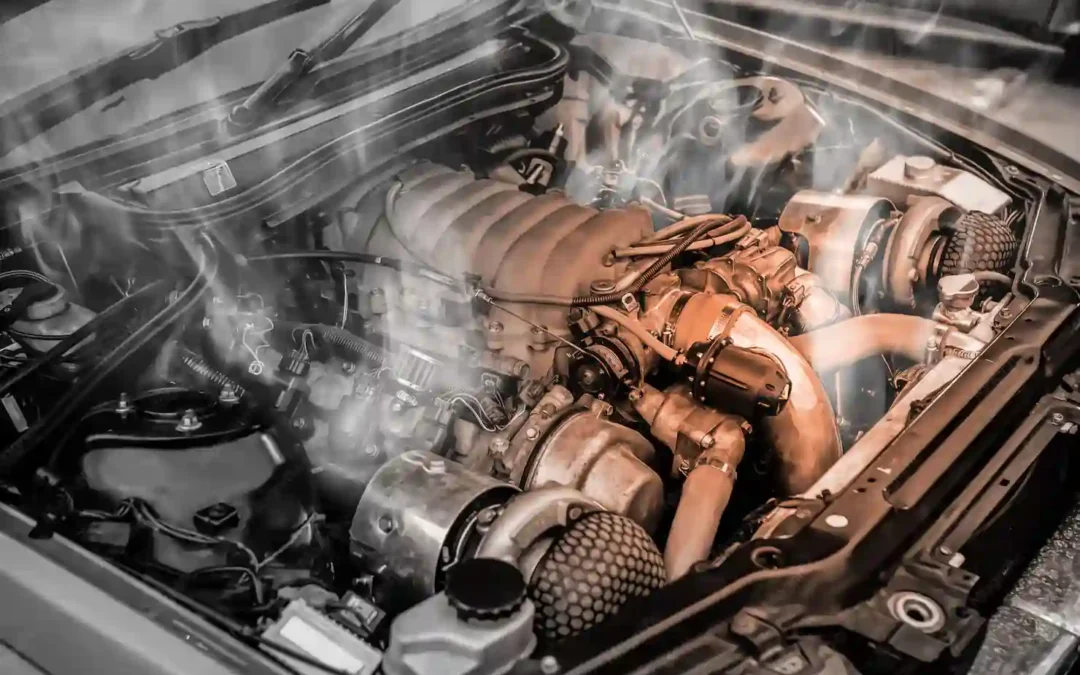
A blown engine, meaning severe internal damage like a seized block, broken connecting rod, or complete loss of compression, does not just mean a repair bill. For most owners, it means the cost of fixing it outweighs what the car is actually worth. You are suddenly stuck with something that takes up space, costs money to insure, and goes nowhere.
If you’re wondering what to do with a car with a blown engine, the question most people Google at this point is simple: Now what? Do you fix it, sell it, scrap it, or leave it on the driveway and hope it disappears? This guide breaks down every real option available to Toronto and GTA drivers when an engine gives up — what each one involves, roughly what it pays, and which one actually makes sense for your situation.
What Does a "Blown Engine" Actually Mean?
“Blown engine” gets used loosely, but mechanically it means the engine has suffered damage severe enough that it can no longer run safely or reliably — not just a warning light or a rough idle. The most common causes are:
- A cracked or seized engine block — the core structure of the engine has physically failed
- A broken or thrown connecting rod — often the result of running the engine after a warning sign was ignored
- Complete loss of compression — usually from blown piston rings or severe internal wear
- Catastrophic overheating — warped heads, blown gaskets, or a seized block from running hot too long
If a mechanic has told you your compression is gone, your rod is “knocking,” or the block is cracked, you’re dealing with a genuinely blown engine — not something you patch with a $200 repair. At that point, the real question isn’t what’s wrong; it’s what do I do with the car now — which is what the rest of this guide covers.
Should You Fix Your Car?
Engine repair or replacement in Canada typically costs between $3,000 and $10,000, depending on your vehicle’s make and model, the extent of the damage, and whether you choose a rebuild or a new unit. Luxury vehicles, diesel engines, and high-displacement motors can push well beyond that range. Always get quotes from at least two independent mechanics before making any decision. If your car is worth $4,000 in working condition, spending $6,000 on an engine makes no financial sense at all.
Here is a quick way to think about it:
- Get a repair quote from two or three mechanics
- Check the market value of your car in good condition (use local listings or tools like Canadian Black Book)
A commonly used rule of thumb in the automotive industry: if the repair cost exceeds 50 to 70 percent of the car’s current market value, most financial advisors and mechanics would suggest against repairing it. This is not a hard rule — sentimental value, remaining loan balances, or rare vehicle models can change the calculation — but it is a solid starting point for most people.
When Repair Actually Makes Sense
The 50–70% rule is a good default, but it isn’t absolute. Repair can be the right call when:
- You still owe more on the loan than the car (and the car) is worth as scrap or private sale — repairing avoids a gap you’d otherwise have to cover out of pocket
- The vehicle is rare, collectible, or has a strong aftermarket parts and resale demand (some project-car buyers will actually pay more for a repairable engine issue than a fully dead one)
- You’ve already sunk money into other recent repairs (brakes, suspension, tires) that would be wasted if you scrapped the car now
- A rebuilt or remanufactured engine — rather than a full custom rebuild — is available for your make and model at a lower installed cost (see FAQ 11 below)
- Outside of those situations, the math in the section above holds for most owners: if the repair costs more than the car is worth, it’s not a financial decision, it’s a sentimental one — and that’s fine, as long as you’re making it knowingly.
Also Read: My Car Failed Safety Inspection in Ontario — Should I Scrap It or Repair It?
Your Real Options When the Engine Is Gone
1. Sell It As Is to a Private Buyer
There are buyers out there who look specifically for project cars or blown engine vehicles. Mechanics, hobbyists, and people who want to rebuild a car themselves sometimes browse Kijiji or Facebook Marketplace looking for exactly this
2. Sell It to a Junkyard or Salvage Yard
Salvage yards buy cars for their parts and scrap metal, effectively handling car junk removal. They do not care if the engine runs
How it works:
- You call a few local junkyards and describe the car (year, make, model, condition)
- They give you a quote based on current scrap metal prices and what parts they can use
Many salvage yards in the Toronto area offer free towing and same-day cash payment, but policies vary. Some yards pay by cheque or require 24 to 48 hours to process. Always confirm towing costs, payment method, and whether they handle the vehicle title transfer before you agree to anything
Our Ontario non-running car guide shows exactly how to sell a car with a blown engine to an Ontario scrap yard, what documents you need, and how the payout is calculated.
3. Use a Scrap Car Removal Service
Scrap car removal services work similarly to junkyards but are typically designed for convenience. Instead of you arranging a tow, a scrap car buyer or removal company offers direct car pickup from your location. In most cases, they handle paperwork, provide cash or e-transfer at pickup, and remove the car without you needing to be at a garage
Worth knowing: Not all removal services offer the same price. Factors like your car’s weight, the current scrap metal rate, and any usable parts will affect the offer. Getting two or three quotes takes less than 10 minutes and can make a real difference.
To shortlist buyers who will take a dead engine, a fire-damaged shell, or a car with no title, see how to find junk car buyers that accept all vehicle conditions
How the process typically works:
1. Get a quote — describe the car (year, make, model, condition) by phone or online; most quotes take a few minutes
2. Free towing and pickup — the company comes to your home, driveway, or storage location; you don’t drive the car anywhere
3. Get paid same day — payment (cash or e-transfer) and paperwork are usually handled on the spot at pickup
These services are ideal when:
- The car is not drivable, and you cannot move it yourself
- You want a quick and clean transaction
- You do not want to deal with multiple calls or negotiations
4. Part It Out Yourself
Parting out a car yourself can return two to three times more than a whole-car junkyard sale in some cases, but it comes with real trade-offs. You will need storage space, basic tools, time to list each part individually, and knowledge of what is actually worth selling. Expect the process to take weeks or even months. If you have that capacity, the financial upside is real. If you do not, the convenience of a single sale is usually worth the difference
Think about what still works:
- Alternator, starter, transmission (if separate from engine)
- Doors, bumpers, headlights, and taillights
- Wheels and tyres
- Seats and interior panels
- Catalytic converter (this one alone can be worth a decent amount)
Also Read: Is It Worth Scrapping Your Car or Selling It for Parts?
5. Trade It In at a Dealership
Most people assume dealerships will not touch a car with a blown engine. Some will not. But many dealerships, especially used car lots, will take it as a trade-in just to make a sale on the new vehicle.
The trade in value will be very low. Dealership trade-in offers for non-running vehicles are typically very low, often in the range of a token amount meant to reduce friction on the new car sale rather than reflect actual vehicle value. Do not expect anything close to scrap metal value from a dealer. If you are buying a new car from them anyway, it may be worth it just for the convenience. Otherwise, you will almost always do better going directly to a scrap service or salvage yard. But if you are already buying another car from them, it saves you the hassle of dealing with the old one separately.
6. Donate It to a Charity
Several registered Canadian charities accept vehicle donations in any condition, including non-running cars— see where to donate a junk car for charity in Canada for the full list of programs and how the tax receipt works. Two well-known programs are Donate a Car Canada and Vehicles for Change. They typically arrange free towing and either auction or scrap the vehicle, using the proceeds for their programs. They either use the car, auction it off, or sell it for scrap and use the proceeds for their programs.
Benefits for you:
- You may receive a tax receipt based on the vehicle’s value
- It is a simple process with free towing in most cases
- It feels better than just scrapping it
7. Use It for Parts Within the Family
This one gets overlooked. If someone in your family drives the same make and model, your blown engine car becomes a free parts donor. Wipers, mirrors, a door panel, and even the seats could be useful.
Strip what is needed, then scrap or sell the rest. You save money on parts for the other vehicle and still recover some value from the junk one.
How Much Is a Car With a Blown Engine Worth?
A blown engine doesn’t make a car worthless — it just changes what you’re actually being paid for. With a running car, value is mostly about the engine and drivetrain. With a blown one, value shifts to four other factors:
- Vehicle weight — scrap and salvage offers are largely driven by current metal weight and scrap rates, not engine condition. Metal market swings can move your quote week to week even if nothing about the car changes.
- Make, model, and year — parts demand varies hugely by vehicle. A common Honda or Toyota with a blown engine often sells faster to a private buyer than a rare or unpopular model, because more people are hunting for compatible parts.
- What’s still good — the transmission, catalytic converter, wheels, and body panels are usually untouched by an engine failure and can meaningfully raise an offer. Some of the most expensive parts of a scrap car have nothing to do with the engine at all.
- How you sell it — this is the biggest swing factor. As the table below shows, the same car can realistically return anywhere from $100 to $2,500+ depending on whether you scrap it, sell it privately, or part it out yourself.
There’s no single number for “what’s my blown-engine car worth” — but weight, make/model demand, and sale method will get you within a realistic range faster than any online calculator.
For dead-engine vehicles specifically, our guide on what a car that doesn’t start is worth in Toronto gives realistic dollar ranges by vehicle type
Which Option Actually Puts the Most Money in Your Pocket?
| Option | Effort | Speed | Realistic Return (Toronto, 2026) |
|---|---|---|---|
| Sell privately | High | Slow (days to weeks) | $300–$1,500+ depending on parts demand |
| Junkyard sale | Low | Fast (1–2 days) | $150–$600 based on weight and scrap rate |
| Scrap removal service | Very low | Very fast (same day) | $100–$500 depending on vehicle |
| Part it out yourself | Very high | Slow (weeks to months) | $800–$2,500+ if patient |
| Trade in at the dealership | Low | Fast | $0–$300 token value only |
| Donate | Low | Medium (3–7 days) | Tax receipt (value varies) |
| Repair the engine | High (cost) | Slow (days–weeks) | Negative ROI in most cases — $3,000–$10,000 cost vs. $100–$2,500 resale value |
Note: All figures are approximate and depend on your specific vehicle, its condition, current scrap metal prices, and local demand.
Conclusion
A blown engine feels like the end of the road, but it is really just the start of a decision. You have more options than most people realize. Whether you want quick cash, maximum return, or just a clean and hassle-free way to get rid of it, there is a route that fits.
Compare your options, and move forward instead of letting the car sit and drain money in insurance or storage costs. A blown engine is not the end — it is a decision point. The right move depends on how much time you have, how much money you want to recover, and how much effort you are willing to put in. If you want maximum return, parting out yourself or finding the right private buyer is worth the extra effort. If you want the quickest, cleanest exit, a scrap removal service is usually the most practical path.
Before you commit to any option, confirm that you have the vehicle’s ownership documents (registered owner name, vehicle permit). In Ontario, you will need these to legally transfer or scrap the vehicle.
If you are in Toronto and want a no-hassle pickup with same-day payment, Scrap Car Buyer Toronto handles the tow, the paperwork, and the transfer call, or request a quote online.
Frequently Asked Questions
Q1. How do you get rid of a car with a blown engine?
You have several options: sell it privately to a buyer looking for a project car, hand it to a salvage yard, use a scrap car removal service, part it out yourself, trade it in at a dealership, or donate it to a registered charity. The fastest and most hassle-free option for most people in Toronto is a scrap car removal service; they pick up the vehicle, handle the paperwork, and pay you on the same day.
Q2. What is the best way to sell a car with a blown engine?
It depends on how much time and effort you are willing to put in. If you want maximum return, parting it out yourself or selling to a private buyer is worth the extra effort. If you want a quick, clean transaction with no towing or negotiation, a scrap car removal service is the most practical choice for most sellers.
Q3. How much is my car worth if the engine is blown?
In Toronto, a non-running car with a blown engine is typically worth between $100 and $1,500, depending on how you sell it. A scrap car removal service will generally offer $100–$500 based on vehicle weight and current scrap metal prices. Selling privately to someone who wants a project car or parting it out yourself can return $300–$1,500 or more. The year, make, model, and overall condition all affect the final number.
Q4. Is it worth fixing a car with a blown engine?
In most cases, no. Engine repair or replacement in Canada typically costs between $3,000 and $10,000. A commonly used rule of thumb in the automotive industry is: if the repair cost exceeds 50 to 70 percent of the car’s current market value, it is generally not worth fixing. Check the car’s value on Canadian Black Book or local listings, then compare it against at least two mechanic quotes before deciding
Q5. Will I have to bring my car to the scrap yard?
In most cases, yes. With a scrap yard, you usually need to drive the car there or pay for towing. Junk car buyers, on the other hand, often come to your home, garage, or storage unit and tow it away at no extra cost.
Q6. Will anyone buy a car with a blown engine?
Yes. Salvage yards, scrap car removal services, private buyers, and mechanics all buy non-running vehicles. Salvage yards and scrap services are the most straightforward — they do not care if the engine runs. Private buyers looking for project cars or parts exist on platforms like Kijiji and Facebook Marketplace, though finding the right buyer takes more time. This holds for pickups, SUVs, minivans, and even hybrids, as covered in our guide to the
vehicles scrap car buyers accept in Toronto.
Q7. What to do if your car engine blows up and you still owe money on it?
You still legally own the vehicle and are responsible for the remaining loan balance, even if the car no longer runs. Contact your lender first to understand your options; some lenders allow voluntary surrender, though this affects your credit. If the car has any remaining value, selling it for scrap or as-is and applying the proceeds toward the loan is often the most practical path. Do not abandon the vehicle or let insurance lapse without speaking to your lender first.
Q8. What causes engine failure?
The most common causes include severe overheating, low or contaminated engine oil, a snapped timing belt or chain, a seized engine block, and a broken connecting rod. Running a car with a blown head gasket without repair can also lead to complete engine failure over time. In many cases, deferred maintenance, skipping oil changes, or ignoring warning lights is the root cause.
Q9. What is the most you can get for scrapping a car in Toronto?
In Toronto, scrapping a non-running car through a junkyard or scrap removal service typically returns $100–$600 based on vehicle weight and current scrap metal rates. Selling privately to a buyer who wants the car for parts or a rebuild can return $300–$1,500 or more. Parting it out yourself is the highest-return option, with realistic returns of $800–$2,500 if you have the time and storage space.
Q10. Is it better to scrap or sell my old car with a blown engine?
It depends on your priorities. Scrapping through a removal service or junkyard is fast, low effort, and gets the car off your hands in one or two days. Selling privately or parting it out takes significantly more time but can return two to three times more money. For most people who want a clean, simple exit, scrapping is the better practical choice. If maximum return matters and you have time, private sale or parting out pays more.
Q11. Is it cheaper to rebuild an engine or buy a rebuilt engine?
Buying a professionally rebuilt or remanufactured engine is usually cheaper and faster than a full custom rebuild done from scratch. A rebuilt engine from a reputable supplier typically costs less in labour because the internal machine work is already done. However, both options are expensive; the total installed cost in Canada often lands between $3,000 and $8,000, depending on the vehicle. For most older or lower-value cars, neither option makes financial sense compared to scrapping or selling as-is.
Q12. What is the average cost to rebuild a car engine in Canada?
Engine rebuilds in Canada generally range from $3,000 to $10,000, depending on the make and model, the extent of internal damage, and whether you choose a full rebuild or a replacement unit. Luxury vehicles, diesel engines, and high-displacement motors can cost significantly more. Always get at least two independent quotes and compare the repair cost against the car’s current market value before committing.
Q13. Can I sell my car if it has an engine fault?
Yes. In Ontario, you can legally sell a non-running or engine-faulted vehicle. You are required to disclose the condition to the buyer. Salvage yards and scrap car removal services routinely buy vehicles in any condition — engine faults included. If selling privately, be upfront about the issue; misrepresenting the condition can create legal liability.
Q14. Does insurance pay out for a blown engine?
Standard auto insurance in Canada does not cover mechanical failures, including a blown engine from wear and tear or neglect. However, if the engine was damaged as a direct result of a covered event such as a collision, flood, or fire, your insurer may cover it under comprehensive or collision coverage, subject to your deductible and policy terms. Always contact your insurer to confirm what your specific policy covers before assuming the claim will be accepted.
Q15. Can I sell a car with a blown engine for cash in Toronto?
Yes. Scrap car buyers and removal services across Toronto and the GTA routinely buy vehicles with blown engines — the engine not running doesn’t disqualify the car. You’ll typically get a same-day cash or e-transfer offer based on the vehicle’s weight, scrap metal rates, and any usable parts.
Q16. Do I need my car to be running or driveable to sell it?
No. Scrap car removal services, salvage yards, and most private buyers looking for project cars expect the vehicle to be non-running. A blown engine is one of the most common reasons people sell to these buyers in the first place — you won’t be turned away for it.
Q17. Will a buyer tow my car away for free?
In most cases, yes. Scrap car removal services and many salvage yards in the Toronto area include free towing as part of the offer. It’s still worth confirming towing cost, payment method, and paperwork handling before you agree to a quote, since policies vary by company.
Q18. How fast can I get paid for a car with a blown engine?
With a scrap car removal service, same-day payment is standard — the tow, paperwork, and payment usually happen in a single visit. Junkyards can take 24–48 hours if they pay by cheque. Private sales and parting out take longer, from several days to a few weeks.
Q19. Can I trade in a car with a blown engine at a dealership?
Some dealerships will accept it, especially if you’re buying another vehicle from them, but the trade-in value will be low — often a token amount rather than anything close to scrap or parts value. See the “Trade It In at a Dealership” section above for the full breakdown of when this option makes sense.
Related Posts

Sworn Statement for Vehicle Transfer in Ontario: Full Guide
Table of Contents Which Sworn Statement Do You Need? (1157E vs. 1155E) Who Qualifies for a Tax-Free Family Gift Documents to Bring to ServiceOntario How to Transfer Ownership of a Car in Ontario: Step by Step How to Sign Over Ownership of a Car (Donor Checklist) How to Fill Out…
Buying a Salvage Title Car in Ontario: Risks, Costs & Red Flags
Table of Contents What Is a Salvage Title on a Car? Ontario\'s Vehicle Brands: Salvage vs. Rebuilt vs. Irreparable Why a Car Gets Branded Salvage in the First Place Going From Salvage to Rebuilt: The Ontario Process Where Salvage Title Cars Come From: Auctions in Ontario The Real Risks of…
Title Jumping in Ontario: What Every Car Seller Needs to Know
Table of Contents What Is Title Jumping? Is Title Jumping Illegal? Is It a Crime? How to Properly Transfer Car Ownership in Ontario What Happens If You Don\'t Transfer Ownership If the Seller Won\'t Transfer the Title How to Report Suspected Title Jumping or Fraud How to Avoid Title Jumping…
Vehicle Bill of Sale Ontario: Why It’s Important & How to Get One
Table of Contents What Is a Vehicle Bill of Sale? Why a Bill of Sale Is So Important in Ontario Ontario\'s Legal Requirements Where to Get a Bill of Sale in Ontario How to Write a Bill of Sale for a Vehicle Bill of Sale vs. Car Sale Purchase Agreement…
The Certificate of Destruction: Your Legal Proof When a Car Is Scrapped
Table of Contents What is a certificate of destruction? Why Do You Need a Certificate of Destruction? Certificate of Destruction in Ontario: RPRA vs. EASR Do I Need a Certificate of Destruction to Scrap My Car in Ontario? What Documents Do I Need to Scrap My Car in Canada? What…

Free Ontario Used Vehicle Bill of Sale Template (2026)
Table of Contents What Is a Bill of Sale, and Do You Actually Need One in Ontario? What has to be on a Used Vehicle Bill of Sale As-Is vs. Certified - Which Box Do You Check? How to Fill Out a Used Vehicle Bill of Sale Not Selling Privately?…
What Is a Scrap Transmission Worth in Canada?
Table of Contents How Much Is a Transmission Worth for Scrap in Toronto? Scrap Transmission Price Per Pound in Ontario Aluminum vs. Steel Transmission Scrap Price Automatic vs. Manual vs. CVT Scrap Value How Much Do Transmissions Weigh? Scrap Value vs. Transmission Cost What Affects the Price? Where to Sell…
What Is an Electric Motor from a Scrap Car Worth in Canada?
Table of Contents How Much Is an Electric Motor from a Scrap Car Worth Right Now? Car With a Blown Motor vs. Selling Electric Parts Separately What Actually Drives Electric Motor Scrap Prices Electric Motors Found in a Car — and What Each One Is Worth Who\'s Asking This, and…
Catalytic Converter Theft Is Hitting Toronto Hard — What to Do If Yours Is Targeted
Table of Contents Why Toronto Is a Hotspot for Catalytic Converter Theft How to Tell If Your Catalytic Converter Was Stolen Will your car start if someone steals your catalytic converter? What should I do if someone steals my catalytic converter? Why Catalytic Converters Are Stolen (And What Thieves Do…

Where to find customer reviews for scrap car parts retailers in Canada?
Table of Contents Why Review Research Matters Before You Sell to a Scrap Yard Best Websites to Read Scrap Yard Reviews Are Google Reviews Reliable for Auto Salvage Yards? Is BBB Good for Checking Scrap Car Buyers? How Do I Know If a Scrap Yard Is Legit? What to Look…