
Table of Contents
- Factors That Affect the Price of a Junk Car
1. Weight Does Matter, But It’s Not Everything
2. Your Car’s Make and Model
3. The Condition of the Car
4. Whether the Car Has a Title
5. Location and Accessibility
6. Valuable Parts That Can Be Salvaged
7. Year of Manufacture - What to Do Before You Get a Quote
- Get a Real Quote in Toronto
If your vehicle has been sitting unused for months because the engine died, repairs cost more than the car itself, or an accident made it undrivable, you’re likely wondering: how much can I actually get for this junk car?
The short answer: it depends. Two identical cars from the same year can get offers that differ by hundreds of dollars. One might get $400. The other could get $900. The difference comes down to specific factors that every scrap buyer evaluates.
If you’d rather skip the breakdown and get a live number, you can request cash for scrap cars in Toronto directly and compare it against what these factors suggest.
Factors That Affect the Price of a Junk Car
Two identical cars from the same year can get very different offers. One sells for 400 dollars. The other gets 900. Because buyers look at more than just the make and model. They look at weight, condition, location, current metal prices, and whether your car has parts they can actually resell. Factors That Affect the Price of a Junk Car:
1. Weight Does Matter, But It's Not Everything
Junk car buyers pay based on metal weight. The heavier your car, the more scrap metal it carries. But weight alone doesn’t determine your offer.
What you should know:
– Compact cars (1,000–1,300 kg): Usually get lower scrap offers
– Midsize sedans (1,400–1,700 kg): Mid-range offers
– SUVs or minivans (1,800–2,300 kg): Higher offers due to weight
– Pickup trucks (2,000–3,000 kg): Often get the highest scrap offers
But remember: a 2,000 kg SUV with a working transmission and intact catalytic converter can easily beat a 2,500 kg truck that’s missing parts and heavily rusted.
Also Read: How Much Can You Get for Scrapping a Car in Toronto?
2. Current Scrap Metal Prices
Scrap metal prices change daily based on what steel mills and recycling centres are paying. In the Toronto area:
– When steel prices are high: Junk car offers increase
– When steel prices drop: Offers go down
Steel and iron make up most of a car’s body. But aluminium, copper, and other metals in engines and wiring also add value.
Practical tip: If you’re not in a rush, check our free scrap car value calculator before calling buyers to see where your car lands. Selling during a strong market can add $100–$300 to your offer.
3. Your Car's Make and Model
Not all makes and models are equal in the junk market. Some cars are worth more as parts than as straight scrap metal.
What buyers look for:
| Factor | Why It Matters |
|---|---|
| Parts demand | If your model is still widely driven (e.g., Honda Civic, Toyota Corolla), used parts are easier to sell |
| Engine/transmission condition | A working engine or transmission from a popular model can bring $200–$500+ for the buyer |
| Popularity | Common vehicles have higher parts demand = better offers |
Example: A 2015 Honda Civic with a working transmission might get $700 as a parts car. A 2005 Ford Taurus with a dead engine might get only $350 as straight scrap.
4. The Condition of the Car
Condition matters even when the car doesn’t run. Scrap buyers evaluate:
| Factor | Why It Matters |
|---|---|
| Parts demand | If your model is still widely driven (e.g., Honda Civic, Toyota Corolla), used parts are easier to sell |
| Engine/transmission condition | A working engine or transmission from a popular model can bring $200–$500+ for the buyer |
| Popularity | Common vehicles have higher parts demand = better offers |
Key point: A car that “struggles to start” often receives a higher offer than one with a completely dead engine, because the buyer can sell it as a parts car rather than pure scrap.
5. Whether the Car Has a Title
Most legitimate buyers in Ontario ask for a title. It proves ownership and protects the buyer legally.
| Factor | Why It Matters |
|---|---|
| Parts demand | If your model is still widely driven (e.g., Honda Civic, Toyota Corolla), used parts are easier to sell |
| Engine/transmission condition | A working engine or transmission from a popular model can bring $200–$500+ for the buyer |
| Popularity | Common vehicles have higher parts demand = better offers |
What to do if you lost your title: Get a replacement from your provincial motor vehicle office before calling buyers. This small step can meaningfully increase your payout.
Note: Requirements vary by buyer and province. Some Ontario buyers will purchase without title but charge extra for paperwork.
Also Read: Can You Scrap a Car Without Proof of Ownership in Ontario?
6. Location and Accessibility
Where you’re located affects the offer in two ways:
| Factor | Why It Matters |
|---|---|
| Parts demand | If your model is still widely driven (e.g., Honda Civic, Toyota Corolla), used parts are easier to sell |
| Engine/transmission condition | A working engine or transmission from a popular model can bring $200–$500+ for the buyer |
| Popularity | Common vehicles have higher parts demand = better offers |
Toronto area example: A car in downtown Toronto might get $600. The same car in a rural area 80 km away might get $400–$450 due to towing costs.
7. Valuable Parts That Can Be Salvaged
Some parts hold real resale value even on a junk car. But only if they’re original, intact, and functional:
| Part | Estimated Value to Buyer |
|---|---|
| Catalytic converter (platinum/palladium) | $150–$400 |
| Alternator and starter motor | $50–$150 |
| GPS or entertainment systems | $30–$100 |
| Non-deployed airbags | $40–$120 |
| Tyres and rims (good condition) | $50–$200 |
| Functional battery | $20–$60 |
Important: These values depend on the part’s condition, age, and whether your car model is popular. A catalytic converter from a 2020 Honda is worth more than one from a 2005 Ford. These parts aren’t just line items on your payout — they’re the core of how junk car buyers actually make money on your vehicle
Also Read: Can I Make More Money Taking a Scrap Car Apart Myself?
8. Year of Manufacture
Age alone doesn’t determine value, but it matters when combined with condition and parts demand:
| Part | Estimated Value to Buyer |
|---|---|
| Catalytic converter (platinum/palladium) | $150–$400 |
| Alternator and starter motor | $50–$150 |
| GPS or entertainment systems | $30–$100 |
| Non-deployed airbags | $40–$120 |
| Tyres and rims (good condition) | $50–$200 |
| Functional battery | $20–$60 |
General rule: Newer cars often get better prices, but condition and parts demand matter more than age alone
9. Fuel Type & Powertrain
Fuel type matters too. A gas car’s price leans heavily on its catalytic converter, but that part doesn’t exist on an EV — instead, the value shifts almost entirely to the battery pack. If you’re driving a plug-in, it’s worth reading whether scrap car buyers handle electric or hybrid vehicles before you call for a quote, since the payout math is genuinely different.
What to Do Before You Get a Quote
Selling a junk car requires more than just finding someone to tow it away. The price you get depends on real, measurable factors:
- Gather your car’s details: Year, make, model, weight estimate, and condition
- Check if you have a title: Clear title = better offer
- Note any valuable parts: Catalytic converter, rims, working engine, etc.
- Check current scrap prices: If you’re not in a rush, timing can add $100–$300
- Get 2–3 quotes: Different buyers evaluate parts and weight differently — see how to compare quotes for scrap car removal services online for the exact side-by-side process, including a free downloadable comparison table
The more you understand going in, the better your negotiating position.
Get a Real Quote in Toronto
If you’re in the Toronto area and want a fair, transparent offer without the runaround, Scrap Car Buyer Toronto gives real quotes based on actual vehicle details—not guesswork.
What to prepare before calling:
– Year, make, model
– Whether it runs or starts
– Title status
– Any missing parts (catalytic converter, wheels, battery)
– Your location and vehicle accessibility
Give us a call, share your car’s information, and see what your junk car is actually worth today.
Call us: (416) 540-7989
Or get an online quote: Contact Us
Frequently Asked Questions
Q1: How much can I get for a junk car in Toronto?
Most junk cars in Toronto sell for between $200 and $900, depending on weight, condition, make, model, and current scrap metal prices. A heavy SUV with a working engine and intact catalytic converter can fetch close to $900, while a small compact car with heavy rust and missing parts may get closer to $200–$300. The best way to know your actual number is to get 2–3 quotes before committing.
Q2: Does a junk car need to run to get a good offer?
No. A junk car does not need to run to get a fair offer. However, a car that struggles to start usually gets $100–$250 more than one with a completely dead engine, because buyers can sell it as a parts car rather than pure scrap. Even a non-running car with an intact catalytic converter, good rims, and a functional battery can command a strong offer.
Q3: What is the most valuable part on a junk car?
The catalytic converter is typically the most valuable single part on a junk car, worth $150–$400 depending on the vehicle. It contains platinum and palladium, which are precious metals with high market value. Other high-value parts include tyres and rims in good condition ($50–$200), alternator and starter motor ($50–$150), and non-deployed airbags ($40–$120).
Q4: Can I sell a junk car without a title in Ontario?
Yes, some buyers in Ontario will purchase a junk car without a title, but expect the offer to drop by 15–30%. A title proves legal ownership and reduces risk for the buyer. If you’ve lost your title, you can get a replacement from ServiceOntario before calling buyers — that one step alone can add $100–$300 to your final offer.
Q5: How do scrap metal prices affect my junk car offer?
Scrap metal prices directly affect your junk car offer because steel and iron make up most of a car’s body weight. When steel prices are high, buyers pay more per kilogram, which increases your offer by $100–$300 or more. Prices change daily based on what steel mills and recycling centres are paying. If you’re not in a rush, it’s worth checking current Toronto scrap prices before calling buyers to time your sale during a stronger market.
Q6: Do junk car buyers charge for towing in Toronto?
Most reputable junk car buyers in Toronto offer free towing as part of the deal. However, if your vehicle is located far from the buyer’s base — say, 80+ km outside Toronto — towing costs may be factored into your offer, reducing it by $100–$200 compared to a car located in the city. Always confirm upfront whether towing is included and whether your location affects the quoted price.
Q7: Does heavy rust lower my junk car's value?
Yes, heavy rust significantly lowers a junk car’s value. Rust reduces the amount of usable metal and makes fewer parts salvageable, which can reduce your offer by 20–40%. Surface rust on the body is less of a concern, but structural rust that affects the frame, floor panels, or engine bay cuts deeply into what a buyer is willing to pay. A car with minor rust and a working engine will almost always beat a heavily rusted car of the same make and weight.
Q8: Why do two identical junk cars get different offers?
Two identical cars can get very different offers because buyers evaluate far more than just the make and model. Weight, current scrap metal prices, condition, missing parts, title status, and location all affect the final number. For example, one 2010 Honda Civic might have an intact catalytic converter and a clear title, while another has rust damage, missing wheels, and no title — the difference in offer could easily be $400–$500.
Q9: Is it worth removing parts before scrapping a car?
It depends. If you have the tools and time, removing high-value parts like the catalytic converter, battery, or rims before calling a buyer could increase your total payout — but only if you can sell those parts separately at market value. However, many buyers will offer less if parts are already removed, since they factor those parts into their quote upfront. For most sellers, the convenience of a full-car sale outweighs the marginal gain from parting it out yourself.
Q10: What information do I need to get an accurate junk car quote?
To get an accurate quote, have the following ready before you call: year, make, and model of the vehicle; whether it runs or starts; title status (clear, missing, or lost); any missing parts such as the catalytic converter, wheels, or battery; and your location and how accessible the vehicle is. The more detail you provide upfront, the more accurate and competitive your quote will be.
Related Posts

Free Ontario Used Vehicle Bill of Sale Template (2026)
Table of Contents What Is a Bill of Sale, and Do You Actually Need One in Ontario? What has to be on a Used Vehicle Bill of Sale As-Is vs. Certified - Which Box Do You Check? How to Fill Out a Used Vehicle Bill of Sale Not Selling Privately?…
What Is a Scrap Transmission Worth in Canada?
Table of Contents How Much Is a Transmission Worth for Scrap in Toronto? Scrap Transmission Price Per Pound in Ontario Aluminum vs. Steel Transmission Scrap Price Automatic vs. Manual vs. CVT Scrap Value How Much Do Transmissions Weigh? Scrap Value vs. Transmission Cost What Affects the Price? Where to Sell…
What Is an Electric Motor from a Scrap Car Worth in Canada?
Table of Contents How Much Is an Electric Motor from a Scrap Car Worth Right Now? Car With a Blown Motor vs. Selling Electric Parts Separately What Actually Drives Electric Motor Scrap Prices Electric Motors Found in a Car — and What Each One Is Worth Who\'s Asking This, and…
Catalytic Converter Theft Is Hitting Toronto Hard — What to Do If Yours Is Targeted
Table of Contents Why Toronto Is a Hotspot for Catalytic Converter Theft How to Tell If Your Catalytic Converter Was Stolen Will your car start if someone steals your catalytic converter? What should I do if someone steals my catalytic converter? Why Catalytic Converters Are Stolen (And What Thieves Do…

Where to find customer reviews for scrap car parts retailers in Canada?
Table of Contents Why Review Research Matters Before You Sell to a Scrap Yard Best Websites to Read Scrap Yard Reviews Are Google Reviews Reliable for Auto Salvage Yards? Is BBB Good for Checking Scrap Car Buyers? How Do I Know If a Scrap Yard Is Legit? What to Look…
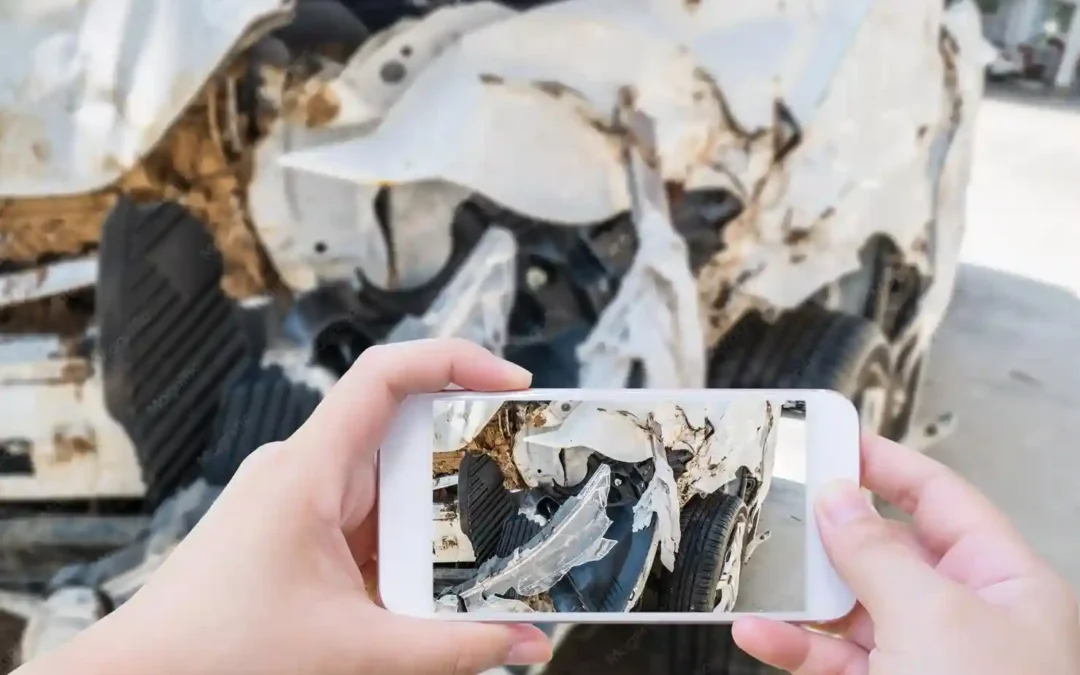
The “Bait-and-Switch” Scrap Car Scam Costing Toronto Drivers Hundreds
Table of Contents What Is a Bait-and-Switch Scrap Car Scam? How It Actually Plays Out Why the Price Drops on Arrival Is It Legal for a Buyer to Change the Price at Pickup? Licensed vs. Unlicensed Scrap Car Buyer in Toronto What Actually Determines a Fair Scrap Value Signs of…
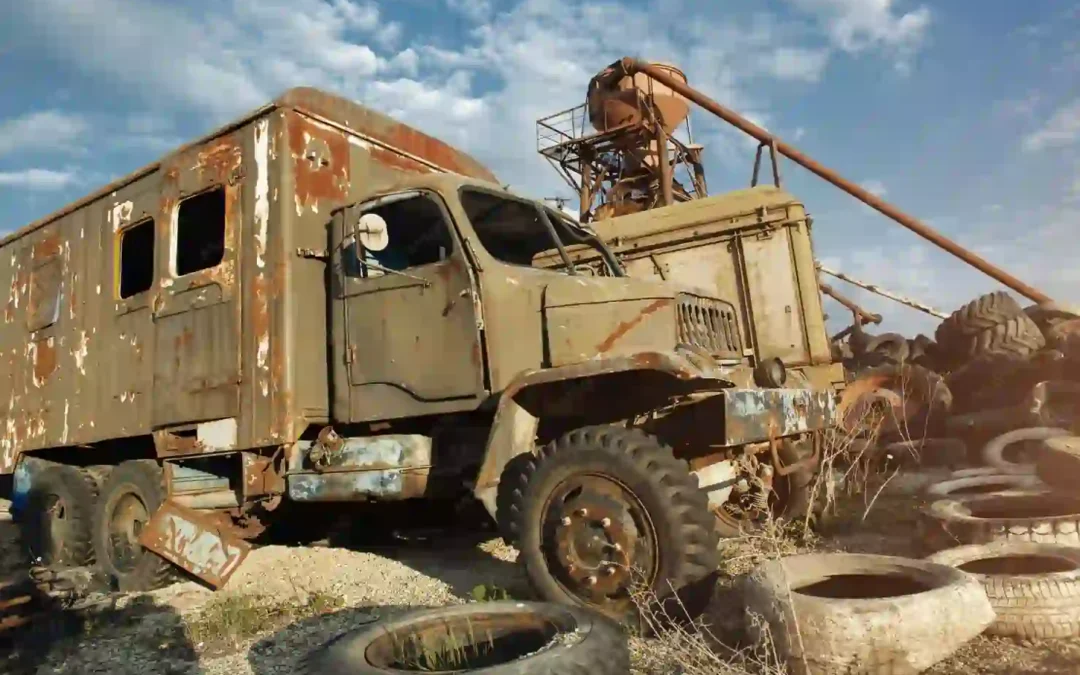
Are there specific requirements for scrapping a larger commercial vehicle?
Table of Contents What Counts as a \"Larger Commercial Vehicle\" in Ontario? Requirements for Scrapping a Commercial Vehicle How to Scrap a Commercial Vehicle in Ontario: Step by Step Documents Needed to Scrap a Commercial Vehicle Difference Between Scrapping a Car and a Commercial Vehicle Can a Business Scrap a…
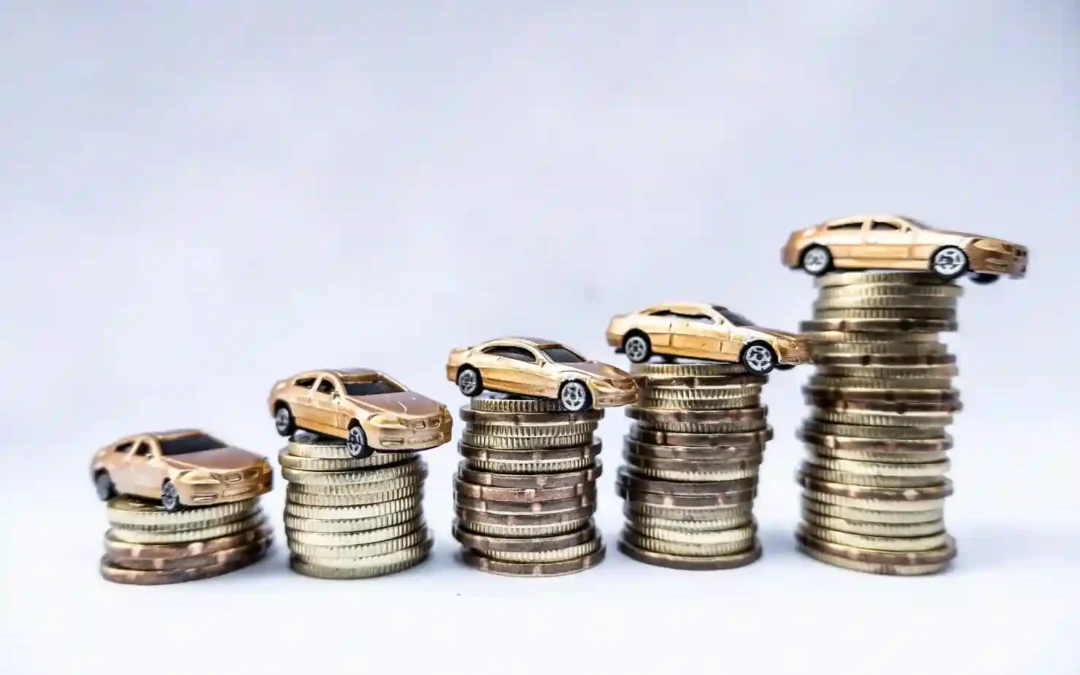
How Scrap Car Prices Change With Metal Market Swings
Table of Contents Why Scrap Car Prices Rise and Fall Week to Week Ferrous vs. Non-Ferrous: Two Completely Different Pricing Systems The Catalytic Converter Wildcard Battery Metals and Your Scrap Offer How Ontario Reacts to Global Metal Shortages Why Toronto Rates Can Beat the Rest of Ontario Why Two Similar…
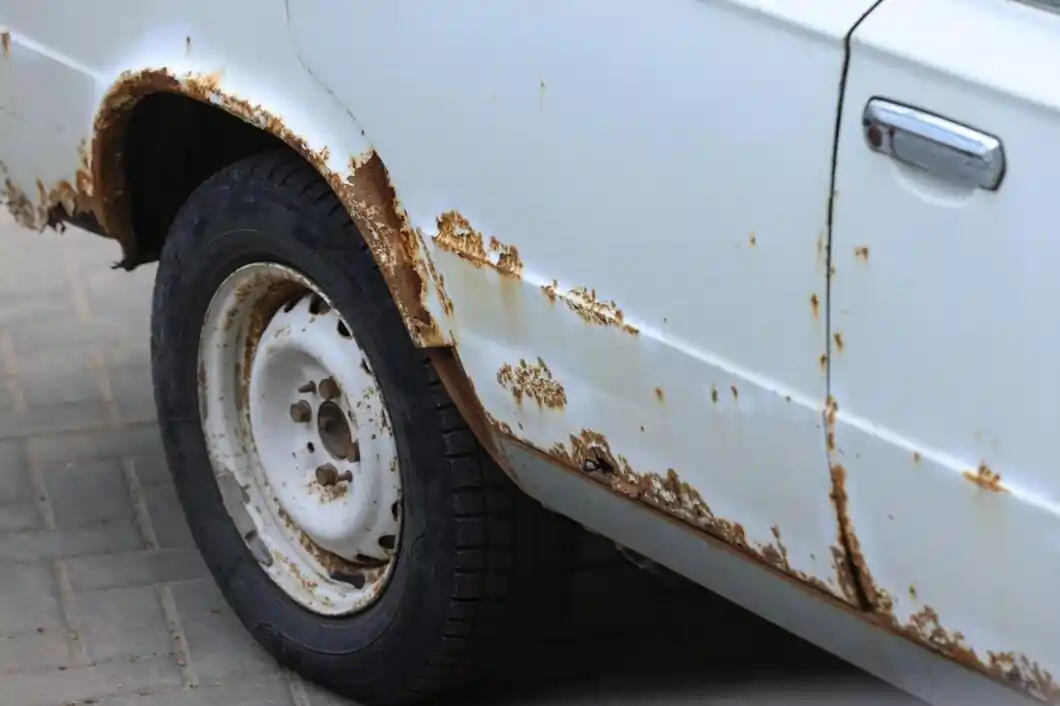
Why Ontario Cars Rust Out Faster: Road Salt and When to Scrap
Table of Contents Why Do Ontario Cars Rust Faster Than Other Provinces? How Does Road Salt Cause Rust? Calcium Chloride vs Sodium Chloride Car Damage Why Does Rust Start on the Underside of a Car? Surface Rust vs Structural Rust: How to Tell Them Apart Ontario Car Rust: Key Facts…
What Types of Vehicles Do Scrap Car Buyers Buy in Toronto?
Table of Contents Passenger Cars: Sedans, Hatchbacks & Coupes SUVs, Crossovers & Minivans Pickup Trucks & Light-Duty Trucks Commercial, Fleet & Heavy-Duty Vehicles Motorcycles, ATVs & Powersports Damaged, Non-Running & Salvage/Write-Off Vehicles Electric & Hybrid Vehicles: A Growing Category What Scrap Yards Typically Won\'t Take Vehicle Types Accepted — Quick…