
Table of Contents
- Why Your VIN Matters for a Scrap Quote?
- How to Look Up a VIN Number: Where to Find It
- How to Check a Car VIN Number: Decoding What Each Digit Means
- What VIN Details Does a Scrap Buyer Actually Use?
- How to Price a Car by VIN: Step-by-Step
- VIN Checkup: Tools and Resources
- Frequently Asked Questions
To get an accurate scrap value quote, you need to provide your vehicle’s full 17-digit VIN (Vehicle Identification Number). This single code tells a scrap buyer your car’s year, make, model, body type, engine size, and manufacturing origin — everything needed to calculate what your vehicle is worth in metal and salvage parts. The more accurately this is shared, the more precise your quote will be.
Why Your VIN Matters for a Scrap Quote?
When you reach out to a licensed scrap car buyer in Toronto, the very first thing they’ll ask for is your VIN. This isn’t bureaucratic box-ticking — it’s the foundation of every accurate quote.
Your VIN is a unique 17-character alphanumeric code assigned to every vehicle manufactured since 1981. It encodes the car’s country of origin, manufacturer, body style, engine type, model year, assembly plant, and serial number — all in a single string. For a scrap buyer, this data directly determines:
- The vehicle’s estimated weight (heavier cars yield more scrap metal)
- Engine and drivetrain type (some engines carry higher recycling value)
- Model year (older cars may have rare parts that increase salvage value)
- Body configuration (sedan vs. SUV vs. truck changes scrap tonnage significantly)
Without a proper VIN, any quote you receive is essentially a guess. Buyers at Scrap Car Buyer Toronto use VIN data in combination with current scrap metal market prices to generate offers that are both fair and transparent.
How to Look Up a VIN Number: Where to Find It
Knowing how to look up a VIN number is the first step in the quoting process. Fortunately, your VIN appears in multiple locations on the vehicle itself and on key documents.
Physical locations on your car:
- Dashboard (driver’s side): Look through the windshield at the lower-left corner of the dashboard, near the base where it meets the windshield. This is the most universally reliable spot.
- Driver’s side door jamb: Open the driver’s door and check the sticker or metal plate on the door frame. It usually includes the VIN alongside tire pressure and manufacturing info.
- Engine block: Many manufacturers stamp the VIN directly onto the engine.
- Under the hood: On the firewall or front part of the engine bay.
On your documents:
- Vehicle registration (ownership certificate / “green slip” in Ontario)
- Insurance documents
- Previous safety inspection certificates
- Any existing CARFAX or vehicle history report
If your vehicle is too damaged or deteriorated to read the dash or door jamb VIN clearly, your ownership document is your best alternative. Ontario law requires vehicle ownership to list the VIN, year, make, model, and colour — so it’s a reliable backup.
How to Check Car VIN Number: Decoding What Each Digit Means
A standard 17-digit VIN breaks down like this:
| Position | Digits | What It Encodes |
|---|---|---|
| 1st digit | 1 | Country of origin (e.g., “2” = Canada, “1” = USA) |
| 2nd–3rd digits | 2–3 | Manufacturer & vehicle division |
| 4th–8th digits | 4–8 | Vehicle descriptor (body style, engine, model, transmission) |
| 9th digit | 9 | Security check digit (validates VIN authenticity) |
| 10th digit | 10 | Model Year |
| 11th digit | 11 | Assembly plant code |
| 12th–17th digits | 12–17 | Unique production serial number |
For scrap buyers, digits 4 through 10 are the most commercially significant — they reveal the body type, engine configuration, and model year. A Ford F-150 with a V8 engine will weigh significantly more and carry a higher scrap value than a compact Honda Civic, even if both are the same year and condition.
What VIN Details Does a Scrap Buyer Actually Use?
When you submit a VIN to check automobile VIN number data for a scrap quote, here’s what a licensed buyer in Toronto extracts and how each element affects your offer:
1. Model Year (Digit 10)
Older vehicles are often heavier due to less use of plastics and lightweight composites. A 1998 Chevrolet Silverado has more steel tonnage than a 2018 version of the same truck. This directly influences scrap metal yield.
2. Make, Model & Body Type (Digits 2–8)
Sedans, SUVs, and trucks each have different average curb weights. As of early 2026, Canadian scrap buyers typically offer $150–$800 for sedans and $300–$1,500 for SUVs and full-size trucks.
3. Engine Type (Digits 4–8)
The presence of a catalytic converter — identifiable through engine and trim data embedded in the VIN — can significantly boost your quote. Catalytic converters contain platinum, palladium, and rhodium, all of which carry premium recycling value.
4. Manufacturing Origin (Digit 1)
This helps confirm whether the vehicle complies with Canadian Motor Vehicle Safety Standards. Vehicles manufactured in Canada (digit “2”) or the US (digits “1,” “4,” or “5”) are the most common in Ontario’s scrap market.
5. Non-Repairable Status
The Insurance Bureau of Canada (IBC) operates a free VIN Verify tool to check whether a vehicle has been branded as non-repairable in Ontario and other provinces. Scrap buyers use this to confirm the car is not subject to any legal complications before processing it.
Before you call anyone for scrap car removal in Toronto, have your VIN on hand. It shortens the entire quoting process and reduces the chance of a revised offer at pickup.
How to Price a Car by VIN: Step-by-Step
Many car owners wonder how to accurately price a car by VIN without being lowballed. Here is a clear process that maximizes accuracy:
Step 1 – Locate Your VIN
Use the dashboard, door jamb, or vehicle ownership document as described above.
Step 2 – Run a Free VIN Checkup
Use a trusted Canadian VIN tool like VIN Number Check Canada to pull basic vehicle data including make, model, year, and trim level. This also surfaces any accident or lien history that could affect your quote.
Step 3 – Check Non-Repairable Status
Visit the IBC’s free VIN Verify tool at ibc.ca to confirm the vehicle hasn’t been flagged as non-repairable in Ontario. This takes under two minutes.
Step 4 – Gather Supporting Details
The VIN covers the mechanical blueprint, but scrap buyers also weigh current condition, mileage, missing parts (wheels, battery, catalytic converter), and whether the vehicle runs or not.
Step 5 – Contact a Licensed Buyer
Submit your VIN along with location and condition details to a licensed Ontario scrap buyer. Visit Cash for Scrap Car Toronto service to get a fast, transparent quote based on all of these factors.
Also Read: What are the top companies to sell a scrap car in Canada?
Step 6 — Confirm Ownership Documents
Ontario requires a valid vehicle ownership (green slip) to legally transfer a scrap vehicle. Your VIN on the ownership must match the car exactly.
If your ownership permit is lost, or you never received one for the vehicle, see our guide on scrapping a car without proof of ownership in Ontario for the exact replacement steps.
Also Read: What documents do I need to scrap my car legally in Canada?
VIN Checkup: Tools and Resources
Performing a thorough VIN checkup before calling a scrap buyer puts you in a much stronger negotiating position. Here are the most reliable free and low-cost Canadian tools:
- IBC VIN Verify (ibc.ca) — Free; checks non-repairable status in Ontario, Alberta, and Atlantic provinces.
- Transport Canada Recall Database (tc.canada.ca) — Free; search open safety recalls by VIN.
- CheckMyVin.ca — Free basic VIN check; paid reports from $2.95 CAD include accident history, lien status, odometer records, and flood damage.
- Canadian Red Book (canadianredbook.com) — Powered by CARFAX Canada; trusted by insurance companies, financial institutions, and government appraisers for vehicle valuation.
- VIN Number Check Canada (vinnumbercheck.ca) — Instant report covering accidents, liens, recalls, and market value for Canadian vehicles.
A basic VIN number check on any of these platforms takes less than five minutes and arms you with data that no scrap buyer can argue with.
Conclusion
Your VIN is the single most important piece of information in the scrap car quoting process. It tells a buyer everything they need to know about your vehicle’s origin, weight class, engine, and legal status — before anyone even sees the car. Whether you’re learning how to look up a VIN number for the first time, running a full VIN checkup for peace of mind, or ready to check automobile VIN data against current Ontario scrap prices, the process is straightforward and takes only minutes.
Before you schedule a pickup, take five minutes to verify your VIN, confirm ownership documents are in order, and compare offers from licensed buyers. When you’re ready to move forward, the team at Scrap Car Buyer Toronto offers transparent, VIN-verified quotes with free towing and same-day cash — no surprises at the curb.
Frequently Asked Questions
Q1. Is a car donation tax-deductible in Canada?
Yes. When you donate a vehicle to a CRA-registered charity, you receive an official donation receipt that you can claim on your T1 General tax return under Line 34900 — Charitable Donations. The receipt amount is based on the actual sale or scrap value of your vehicle.
Q2. Does my car need to be running to donate it in Canada?
No. Programs like Donate a Car Canada, Car Heaven, and Diabetes Canada all accept vehicles in any condition — including non-running, damaged, or high-mileage vehicles.
Q3. How long does it take to receive a tax receipt after donating a car?
Most programs issue the receipt within 4 to 6 weeks of the vehicle sale. CRA requires all receipts to be issued no later than February 28 of the year following your donation.
Q4. Can I donate a car that still has plates on it in Canada?
Yes, but you must remove your license plates before the tow truck arrives. In most provinces, plates either go back to the registry office or are transferred to another vehicle. The charity or donation program will not accept the plates with the vehicle.
Q5: How quickly can I get my junk car picked up?
You need three key items: (1) the vehicle title or proof of ownership, (2) a valid owner’s certificate of insurance, and (3) your driver’s license for identity verification. If you lost the title, contact your provincial registry office first — most donation programs require proof of ownership before accepting the vehicle.
Q6. How much tax relief can I get from donating a car in Canada?
Your tax relief depends on the actual sale price of your vehicle at auction. For 2025, the first $1,000 is deducted at 15%, and amounts above $1,000 are deducted at your marginal tax rate (up to 53.5% in Ontario). If your car sells for $300 at scrap, your receipt will be $300 — not the value you think it’s worth.
Q7. Can I donate a car in Ontario if I don't have the title?
Technically yes, but most donation programs will not accept it. Ontario requires a vehicle transfer form (used vehicle portion) signed by the registered owner, plus proof of ownership. Without the title, you’ll need to apply for a new one through ServiceOntario first — this takes 3–5 business days and costs $75.
Q8. Do charities in Canada accept motorcycles, RVs, or boats for donation?
Yes. Most major vehicle donation programs like Donate a Car Canada and Car Heaven accept cars, trucks, SUVs, vans, motorcycles, RVs, campers, and boats — provided they’re registered and have proof of ownership. Some programs have restrictions on larger vehicles like commercial trucks, so call ahead to confirm.
Related Posts
Title Jumping in Ontario: What Every Car Seller Needs to Know
Table of Contents What Is Title Jumping? Is Title Jumping Illegal? Is It a Crime? How to Properly Transfer Car Ownership in Ontario What Happens If You Don\'t Transfer Ownership If the Seller Won\'t Transfer the Title How to Report Suspected Title Jumping or Fraud How to Avoid Title Jumping…
Vehicle Bill of Sale Ontario: Why It’s Important & How to Get One
Table of Contents What Is a Vehicle Bill of Sale? Why a Bill of Sale Is So Important in Ontario Ontario\'s Legal Requirements Where to Get a Bill of Sale in Ontario How to Write a Bill of Sale for a Vehicle Bill of Sale vs. Car Sale Purchase Agreement…
The Certificate of Destruction: Your Legal Proof When a Car Is Scrapped
Table of Contents What is a certificate of destruction? Why Do You Need a Certificate of Destruction? Certificate of Destruction in Ontario: RPRA vs. EASR Do I Need a Certificate of Destruction to Scrap My Car in Ontario? What Documents Do I Need to Scrap My Car in Canada? What…

Free Ontario Used Vehicle Bill of Sale Template (2026)
Table of Contents What Is a Bill of Sale, and Do You Actually Need One in Ontario? What has to be on a Used Vehicle Bill of Sale As-Is vs. Certified - Which Box Do You Check? How to Fill Out a Used Vehicle Bill of Sale Not Selling Privately?…
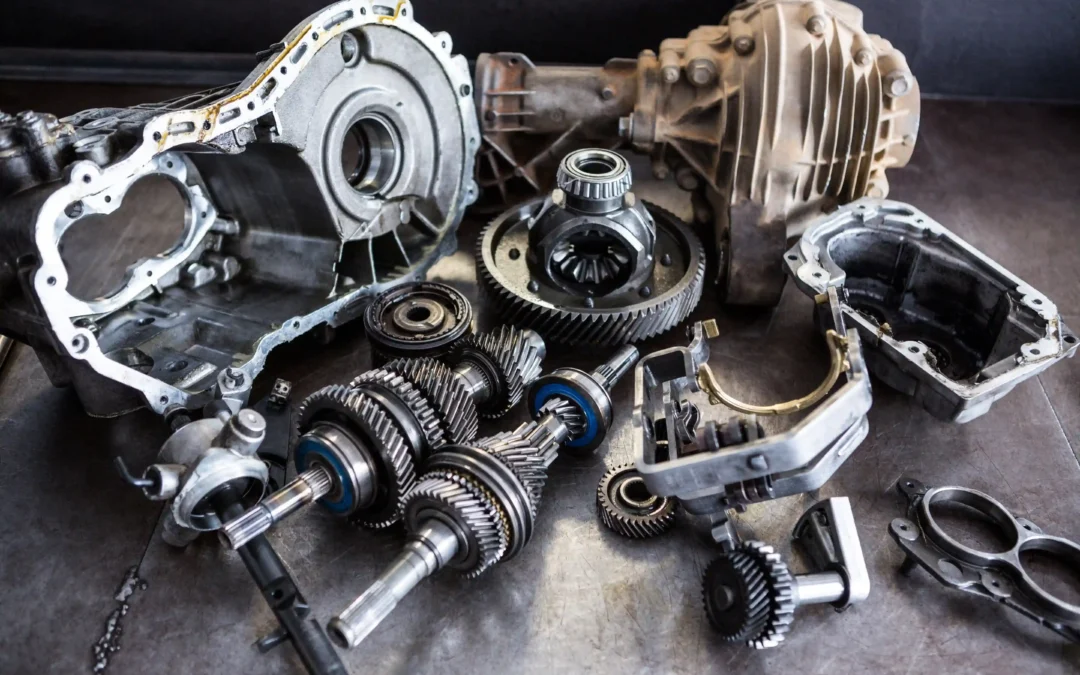
What Is a Scrap Transmission Worth in Canada?
Table of Contents How Much Is a Transmission Worth for Scrap in Toronto? Scrap Transmission Price Per Pound in Ontario Aluminum vs. Steel Transmission Scrap Price Automatic vs. Manual vs. CVT Scrap Value How Much Do Transmissions Weigh? Scrap Value vs. Transmission Cost What Affects the Price? Where to Sell…
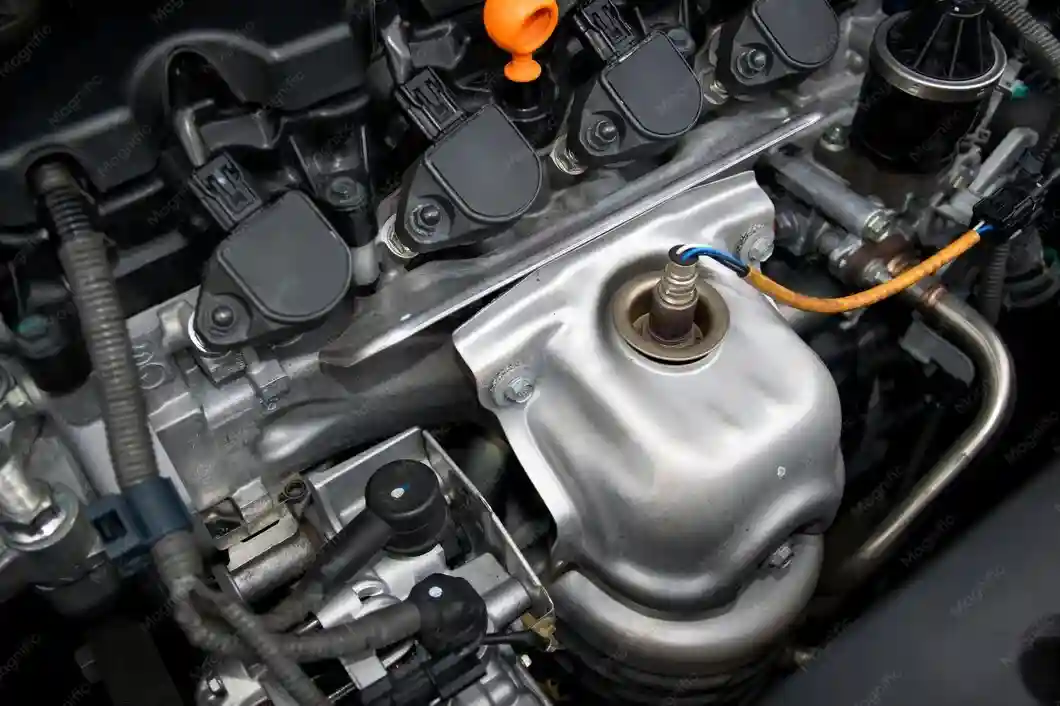
What Is an Electric Motor from a Scrap Car Worth in Canada?
Table of Contents How Much Is an Electric Motor from a Scrap Car Worth Right Now? Car With a Blown Motor vs. Selling Electric Parts Separately What Actually Drives Electric Motor Scrap Prices Electric Motors Found in a Car — and What Each One Is Worth Who\'s Asking This, and…
Catalytic Converter Theft Is Hitting Toronto Hard — What to Do If Yours Is Targeted
Table of Contents Why Toronto Is a Hotspot for Catalytic Converter Theft How to Tell If Your Catalytic Converter Was Stolen Will your car start if someone steals your catalytic converter? What should I do if someone steals my catalytic converter? Why Catalytic Converters Are Stolen (And What Thieves Do…

Where to find customer reviews for scrap car parts retailers in Canada?
Table of Contents Why Review Research Matters Before You Sell to a Scrap Yard Best Websites to Read Scrap Yard Reviews Are Google Reviews Reliable for Auto Salvage Yards? Is BBB Good for Checking Scrap Car Buyers? How Do I Know If a Scrap Yard Is Legit? What to Look…
The “Bait-and-Switch” Scrap Car Scam Costing Toronto Drivers Hundreds
Table of Contents What Is a Bait-and-Switch Scrap Car Scam? How It Actually Plays Out Why the Price Drops on Arrival Is It Legal for a Buyer to Change the Price at Pickup? Licensed vs. Unlicensed Scrap Car Buyer in Toronto What Actually Determines a Fair Scrap Value Signs of…
Are there specific requirements for scrapping a larger commercial vehicle?
Table of Contents What Counts as a \"Larger Commercial Vehicle\" in Ontario? Requirements for Scrapping a Commercial Vehicle How to Scrap a Commercial Vehicle in Ontario: Step by Step Documents Needed to Scrap a Commercial Vehicle Difference Between Scrapping a Car and a Commercial Vehicle Can a Business Scrap a…