
Table of Contents
- Why Knowing Your Car’s Most Valuable Parts Matters
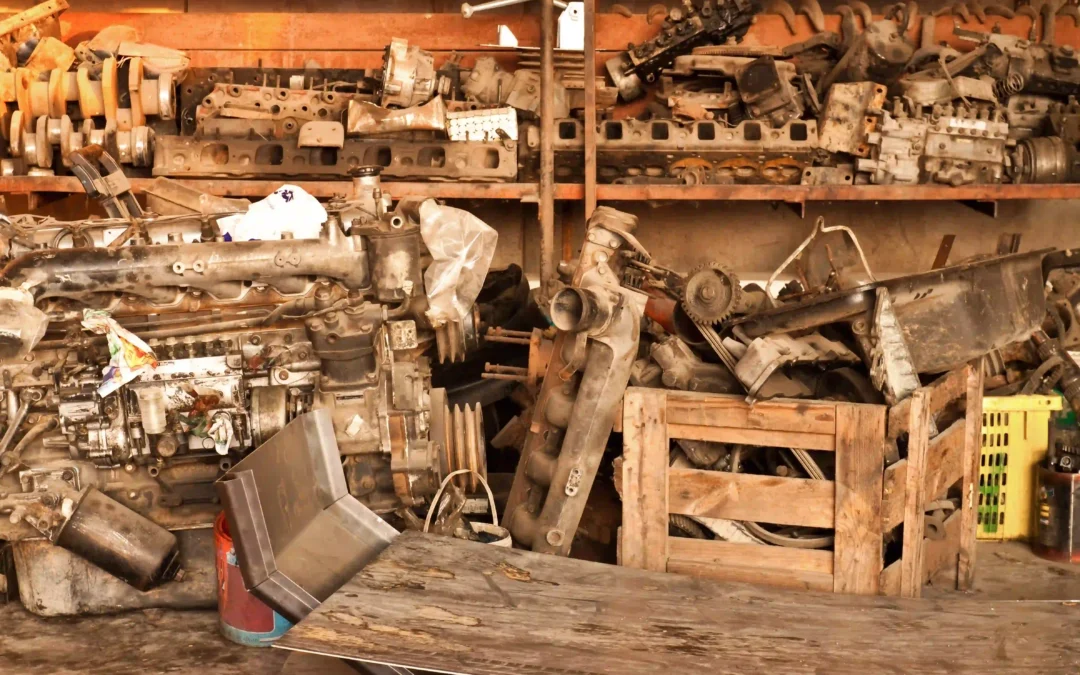
- Why Some Car Parts Are Worth More Than the Whole Vehicle
- The 9 Most Expensive Parts of a Scrap Car
- Which Car Parts Contain Precious Metals?
- Selling Parts vs. Scrapping the Whole Car in Ontario
- How to Get the Most Money When You Sell a Car for Scrap Metal
- Frequently Asked Questions
If you are trying to figure out how much to scrap a car — or whether pulling key parts first can earn you more — this guide breaks everything down with real price ranges and practical advice for Ontario vehicle owners.
| Part | Used-part resale | Scrap-only value |
|---|---|---|
| Catalytic converter | Up to $1,000+ (hybrid OEM) | from about $150 |
| Engine | $800–$2,500 | about $50–$250 (iron vs aluminium) |
| Transmission | $500–$1,200 | about $50–$150 |
| Alloy wheels (set of 4) | more if aftermarket | $80–$200 |
| Alternator | $50–$150 | $35–$100 |
| Undeployed airbag module | $75–$400 | n/a |
Why Knowing Your Car's Most Valuable Parts Matters
Before you decide to sell a car for scrap metal, it pays to know exactly what you are sitting on. Most drivers assume a junk car is worth only its weight in steel — currently $145 to $200 per ton in Ontario. But steel is just the foundation. Buried inside every end-of-life vehicle are components made from aluminium, copper, and rare-earth metals that scrapyards and used-parts buyers price well above the basic per-pound rate.
Understanding the most valuable scrap car parts allows you to make a smarter decision: accept a flat cash offer for the whole vehicle, or invest time to remove the highest-value pieces and maximise your earnings. Either route can be the right call — the best choice depends on your time, your tools, and your car’s condition.
Why Some Car Parts Are Worth More Than the Whole Vehicle
When you decide to sell your car for scrap metal, most people assume they’ll receive a flat rate based on the vehicle’s weight and the current price of steel. That’s partially true — but it’s only part of the picture.
Scrap yards and licensed auto recyclers in Ontario don’t just weigh your car. They assess every reusable or recyclable component inside it. Mechanics, auto recyclers, and independent buyers are constantly hunting for specific parts — either because they’re expensive to replace new, or because they’re packed with high-value metals. Understanding the most valuable scrap car parts before you call a removal company ensures you walk away with the best possible offer.
The 10 Most Expensive Parts of a Scrap Car
1. Catalytic Converter
If you want to know what part of a scrap car is worth the most money, the answer is almost always the catalytic converter. Fitted to every gasoline vehicle sold in Canada since the mid-1970s, it reduces harmful exhaust gases using a ceramic honeycomb substrate coated with platinum, palladium, and rhodium. These scrap car parts that contain precious metals are prized by refiners worldwide, which is why catalytic converter theft has surged across Canadian cities in recent years.
Scrap values range from around $150 for a standard passenger car unit to well over $1,000 for OEM converters from hybrid vehicles like the Toyota Prius, which carry heavier precious-metal loadings. For context, replacement converters for many vehicles cost $800 to $2,500 new — a clear sign of the embedded value. According to the Automotive Recyclers Association, most licensed Ontario scrap buyers now require proof of vehicle ownership before accepting a converter, so keep your title ready.
Also Read: How much do scrap car batteries typically sell for in the Canadian market?
2. Engine
Among the most valuable junk car parts, the engine ranks second. Even a non-running unit has significant scrap value: at 300 to 600 pounds of predominantly aluminium and iron, a complete engine block fetches $300 to $700 by weight. A running or rebuildable engine from a popular platform — Toyota Camry, Honda Civic, Ford F-150 — can command $800 to $2,500 on the used-parts market because it costs far less than a brand-new replacement.
Also Read: What Are The Options For Getting Rid of a Car With a Blown Engine?
3. Transmission
The transmission is consistently among the most expensive parts of a scrap car, yet many owners forget it entirely. Working automatic transmissions from common vehicles sell readily for $500 to $1,200 on the secondary market. Even as straight scrap, the aluminium casing, steel gears, and copper coil windings combine to yield $150 to $350 by weight alone.
4. Copper Wiring and Alternator
Modern vehicles contain 25 to 50 metres of copper wiring throughout the body. Electric and hybrid models carry significantly more. Stripped and sold as bare copper, the wiring from a single car can yield $40 to $120 depending on gauge. The alternator doubles down on this copper value — its rotor and stator windings are dense copper coils, making it a consistent source of scrap car parts worth money for recyclers. A working alternator typically fetches $50 to $150; a scrap unit brings $35 to $100.
5. Aluminium Wheels and Rims
When it comes to which car parts have the highest scrap metal value on a per-pound basis, aluminium wheels are near the top of the list. Aluminium scrap pays two to three times more per pound than steel, and a full set of four alloy wheels can weigh 40 to 80 pounds combined. At scrap rates, expect $80 to $200 for the set — more if the wheels are aftermarket or in strong cosmetic condition and sold directly to car enthusiasts.
6. GPS, Infotainment, and Electronics
Working factory navigation systems and infotainment units from vehicles under eight years old can sell for $80 to $400 on platforms like eBay or local classifieds. Advanced driver-assistance sensors and EV battery management modules are among the most desirable electronics in today’s parts market as repair shops look to avoid steep dealer prices.
7. Doors, Hoods, and Body Panels
Undamaged body panels sell steadily to collision repair shops and independent mechanics. A door from a common model in a standard colour fetches $100 to $350 at a pull-a-part yard. Aluminium hoods and trunk lids command a premium over steel panels due to the higher per-pound metal value — another reason why the most expensive parts of a scrap car extend well beyond the drivetrain.
8. Battery and A/C Compressor
The standard 12-volt lead-acid battery is fully recyclable and worth $8 to $20 at most scrapyards. Small in isolation, but it adds to your total. The air conditioning compressor — containing aluminium, steel, and copper — typically brings $30 to $60 at scrap, or $60 to $150 if sold directly to an HVAC repair shop as a working unit.
Also Read: How much do scrap car batteries typically sell for in the Canadian market?
9. Airbags (Undeployed Only)
An intact, undeployed airbag module is worth real money to collision repair shops. A brand-new airbag assembly can cost a car owner $800–$2,000+ CAD to replace, so body shops frequently source used units for significant savings. However, only undeployed airbags hold value — triggered bags are waste.
- Undeployed airbag value: CAD $75–$400 per module
10. Hybrid and EV Battery Packs
Hybrid and EV battery packs are among the most valuable single components in a modern vehicle because of their nickel, cobalt, lithium and manganese content. A pack in good health can resell for far more than its recycling value, while a degraded pack is priced as recycling feedstock by specialist recyclers. These packs carry high voltage, so they should only be removed by trained technicians, never as a DIY job. If the car has an electric drive motor, it has its own value too; see what an electric motor from a scrap car is worth in Canada.
Which Car Parts Contain Precious Metals?
Understanding which car parts have the highest scrap metal value often comes down to which ones contain precious or non-ferrous metals:
| Part | Metal(s) Present | Why It Matters |
|---|---|---|
| Catalytic Converter | Platinum, Palladium, Rhodium | Rare earth metals; commodity-priced daily |
| EV/Hybrid Battery | Lithium, Cobalt, Nickel, Manganese | Critical minerals in surging global demand |
| Engine Block | Aluminum | ~3x more valuable per pound than steel |
| Aluminum Radiator | Aluminum | Easy to remove; high metal-to-weight ratio |
| Alloy Wheels | Aluminum alloy | Premium over scrap steel |
| Wiring Harness | Copper | Strong scrap metal pricing |
| Alternator/Starter | Copper windings | Copper content adds value beyond functional worth |
| Car Battery | Lead | Legally mandated recycling; consistent pricing |
The scrap car parts that contain precious metals — particularly the catalytic converter and EV battery — are in a class of their own and should never be overlooked when negotiating a scrap quote.
Part values rise and fall with live metal market swings
Selling Parts vs. Scrapping the Whole Car in Ontario
This is the core question most Toronto car owners face: is it worth stripping parts yourself, or should you simply book a full scrap car removal?
Selling parts individually can maximise your total payout — sometimes 2–4x more than a whole-car quote. However, it requires time, tools, mechanical skill, and the willingness to store and advertise parts separately. It can take weeks or months to move everything.
Scrapping the whole car through a licensed service is faster, hassle-free, and — when you work with the right buyer — still very competitive. At Scrap Car Buyer Toronto, the quote process accounts for your vehicle’s valuable components, not just its steel weight. You won’t leave money on the table the way you might with a generic junkyard.
If you’re ready to move forward, book a scrap car removal in Toronto that includes free towing and same-day pickup across the GTA. Prefer to get an instant number first? Check the cash for scrap car page for a transparent, no-obligation quote based on your vehicle’s actual parts value.
Ontario regulates how end-of-life vehicles are handled, so always confirm your buyer is licensed and will give you a signed bill of sale and a certificate of destruction. Our guide to the certificate of destruction in Ontario explains what to ask for. For a directory of vetted recyclers, see Automotive Recyclers of Canada (ARC)
Also Read: Is It Worth Scrapping Your Car or Selling It for Parts?
How to Get the Most Money When You Sell a Car for Scrap Metal
Follow these steps to protect your interests and maximise your payout:
Have your vehicle ownership ready. Ontario requires proof of title when transferring a car to a scrap buyer. Missing paperwork can reduce your offer.
Get at least two quotes. Prices vary between buyers, and a single call is rarely your best option.
Ask whether towing is included. Many licensed buyers offering cash for scrap cars in Toronto provide free pickup — paying a tow truck yourself cuts directly into your earnings.
Mention the OEM catalytic converter. If your vehicle has its original factory unit, saying so upfront can meaningfully increase your quote.
Only use licensed dismantlers. In Ontario, only Registered Vehicle Dismantlers can legally purchase end-of-life vehicles. Licensed buyers issue proper receipts and ensure you are no longer liable for the vehicle after it leaves your property.
Conclusion
The most expensive parts of a scrap car (the catalytic converter, engine, transmission, hybrid or EV battery and alloy wheels) can add real money to your payout, but only if you can remove, store and sell them safely. For most Ontario owners the practical answer is a mix: sell the easy, legally yours parts such as alloy wheels or a working infotainment unit, and hand the rest of the car to a licensed buyer who prices the catalytic converter and engine properly instead of paying steel weight. Airbag modules and high-voltage batteries should only ever be removed by trained people.
Before you book, have your ownership documents ready, ask whether the catalytic converter is priced separately, and compare at least two quotes. When you’re ready, Scrap Car Buyer Toronto offers free towing across the GTA, and you can start with our cash for scrap car
Frequently Asked Questions
Q1. What are the most expensive parts of a scrap car?
The most expensive parts of a scrap car are the catalytic converter (due to platinum, palladium, and rhodium content), the engine, the transmission, and hybrid/EV battery packs. These components hold significant reuse or commodity-metal value far beyond the vehicle’s basic steel weight.
Q2. Does my car need to be running to sell it for scrap?
No. A car that won’t start, has a blown engine or has been in an accident can still be sold for scrap in Ontario. Licensed buyers price it on weight, make, model, and the condition of high-value parts like the catalytic converter, and towing is typically free. For a complete vehicle in the Toronto area, expect roughly $200 to $1,500+ depending on size and condition.
Q3. How much does it cost to scrap a car — is there a fee?
Knowing how much to scrap a car is straightforward with reputable buyers: there should be no fee. Licensed scrap car removal companies in Ontario offer free towing as part of the transaction. You receive cash; you pay nothing.
Q4. What are the most valuable scrap car parts I can sell separately?
The most valuable scrap car parts to sell individually are: the catalytic converter, engine and transmission (if working), alloy wheels, undeployed airbags, OEM infotainment systems, and hybrid/EV batteries. Together, these can be worth several times more than a whole-car scrap quote.
Q5: Which car parts have the highest scrap metal value by weight?
By pure metal content per pound, which car parts have the highest scrap metal value comes down to: catalytic converter (precious metal content), copper wiring harness (pure copper), aluminum engine block and radiator, and lead-acid batteries. These non-ferrous and precious metal components are priced well above standard steel at every licensed facility.
Q6. Are there scrap car parts that contain precious metals beyond the catalytic converter?
Yes. Beyond the catalytic converter — the most prominent example — scrap car parts that contain precious metals also include certain sensors (oxygen sensors contain small amounts of platinum), circuit boards in infotainment and ECU systems (gold-plated contacts), and EV battery cells (cobalt and lithium). While the quantities in sensors and boards are tiny, they contribute to overall scrap value at certified recyclers.
Q7. Are valuable junk car parts legally mine to sell in Ontario?
Yes — if you are the registered owner of the vehicle, all valuable junk car parts belong to you and may be legally sold. Ontario scrap metal regulations require buyers to verify ID and ownership, particularly for high-theft items like catalytic converters. Always retain your bill of sale as proof of a legitimate transaction.
Q8. What is the single most profitable thing to do with a scrap car?
If time is no object, stripping and selling the catalytic converter, engine, transmission, alloy wheels, and infotainment system individually will maximize cash. If convenience matters — or you don’t have the tools or space — choosing a reputable scrap car buyer who values parts (not just steel) gives you the best return for a whole-vehicle sale with zero effort.
Related Posts

Sworn Statement for Vehicle Transfer in Ontario: Full Guide
Table of Contents Which Sworn Statement Do You Need? (1157E vs. 1155E) Who Qualifies for a Tax-Free Family Gift Documents to Bring to ServiceOntario How to Transfer Ownership of a Car in Ontario: Step by Step How to Sign Over Ownership of a Car (Donor Checklist) How to Fill Out…
Buying a Salvage Title Car in Ontario: Risks, Costs & Red Flags
Table of Contents What Is a Salvage Title on a Car? Ontario\'s Vehicle Brands: Salvage vs. Rebuilt vs. Irreparable Why a Car Gets Branded Salvage in the First Place Going From Salvage to Rebuilt: The Ontario Process Where Salvage Title Cars Come From: Auctions in Ontario The Real Risks of…
Title Jumping in Ontario: What Every Car Seller Needs to Know
Table of Contents What Is Title Jumping? Is Title Jumping Illegal? Is It a Crime? How to Properly Transfer Car Ownership in Ontario What Happens If You Don\'t Transfer Ownership If the Seller Won\'t Transfer the Title How to Report Suspected Title Jumping or Fraud How to Avoid Title Jumping…
Vehicle Bill of Sale Ontario: Why It’s Important & How to Get One
Table of Contents What Is a Vehicle Bill of Sale? Why a Bill of Sale Is So Important in Ontario Ontario\'s Legal Requirements Where to Get a Bill of Sale in Ontario How to Write a Bill of Sale for a Vehicle Bill of Sale vs. Car Sale Purchase Agreement…
The Certificate of Destruction: Your Legal Proof When a Car Is Scrapped
Table of Contents What is a certificate of destruction? Why Do You Need a Certificate of Destruction? Certificate of Destruction in Ontario: RPRA vs. EASR Do I Need a Certificate of Destruction to Scrap My Car in Ontario? What Documents Do I Need to Scrap My Car in Canada? What…

Free Ontario Used Vehicle Bill of Sale Template (2026)
Table of Contents What Is a Bill of Sale, and Do You Actually Need One in Ontario? What has to be on a Used Vehicle Bill of Sale As-Is vs. Certified - Which Box Do You Check? How to Fill Out a Used Vehicle Bill of Sale Not Selling Privately?…
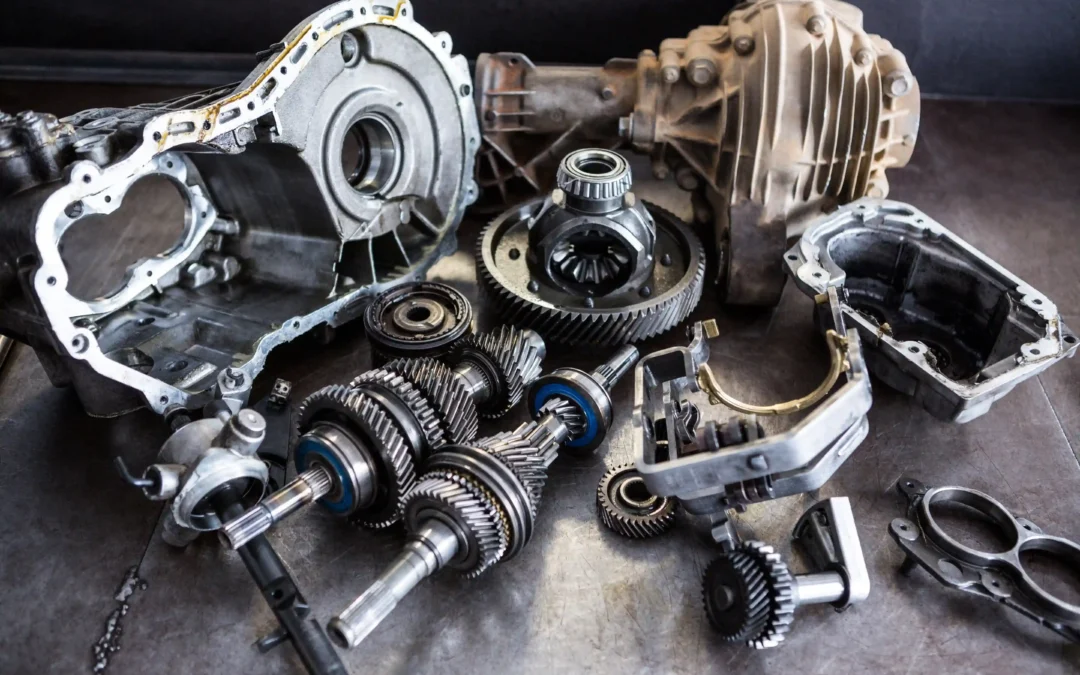
What Is a Scrap Transmission Worth in Canada?
Table of Contents How Much Is a Transmission Worth for Scrap in Toronto? Scrap Transmission Price Per Pound in Ontario Aluminum vs. Steel Transmission Scrap Price Automatic vs. Manual vs. CVT Scrap Value How Much Do Transmissions Weigh? Scrap Value vs. Transmission Cost What Affects the Price? Where to Sell…
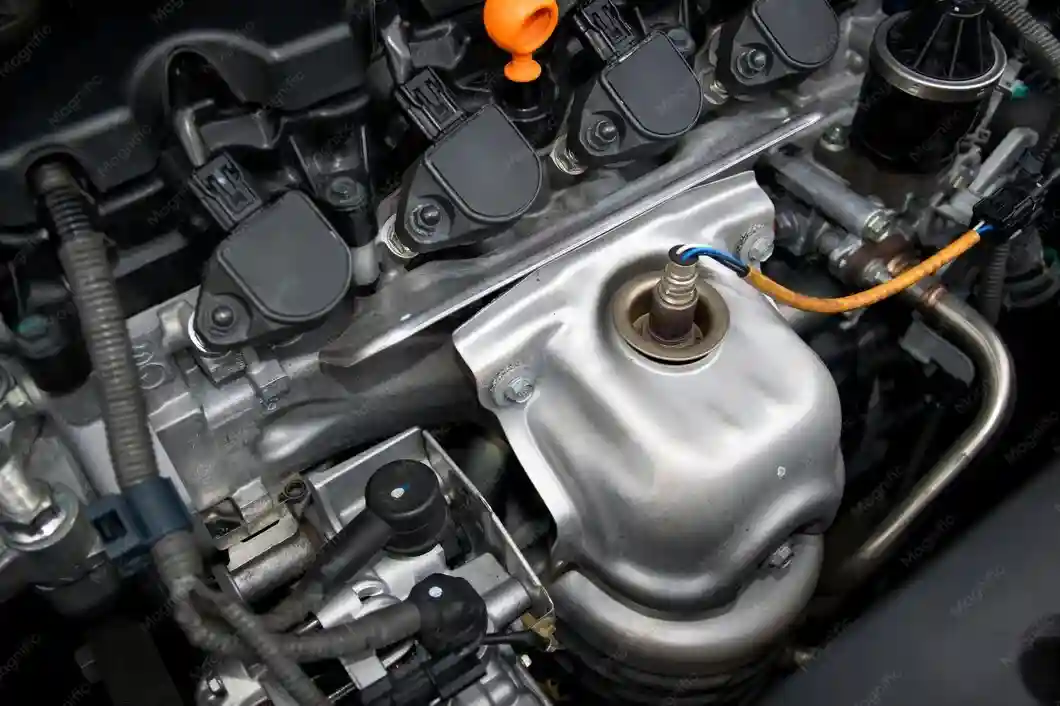
What Is an Electric Motor from a Scrap Car Worth in Canada?
Table of Contents How Much Is an Electric Motor from a Scrap Car Worth Right Now? Car With a Blown Motor vs. Selling Electric Parts Separately What Actually Drives Electric Motor Scrap Prices Electric Motors Found in a Car — and What Each One Is Worth Who\'s Asking This, and…
Catalytic Converter Theft Is Hitting Toronto Hard — What to Do If Yours Is Targeted
Table of Contents Why Toronto Is a Hotspot for Catalytic Converter Theft How to Tell If Your Catalytic Converter Was Stolen Will your car start if someone steals your catalytic converter? What should I do if someone steals my catalytic converter? Why Catalytic Converters Are Stolen (And What Thieves Do…

Where to find customer reviews for scrap car parts retailers in Canada?
Table of Contents Why Review Research Matters Before You Sell to a Scrap Yard Best Websites to Read Scrap Yard Reviews Are Google Reviews Reliable for Auto Salvage Yards? Is BBB Good for Checking Scrap Car Buyers? How Do I Know If a Scrap Yard Is Legit? What to Look…