
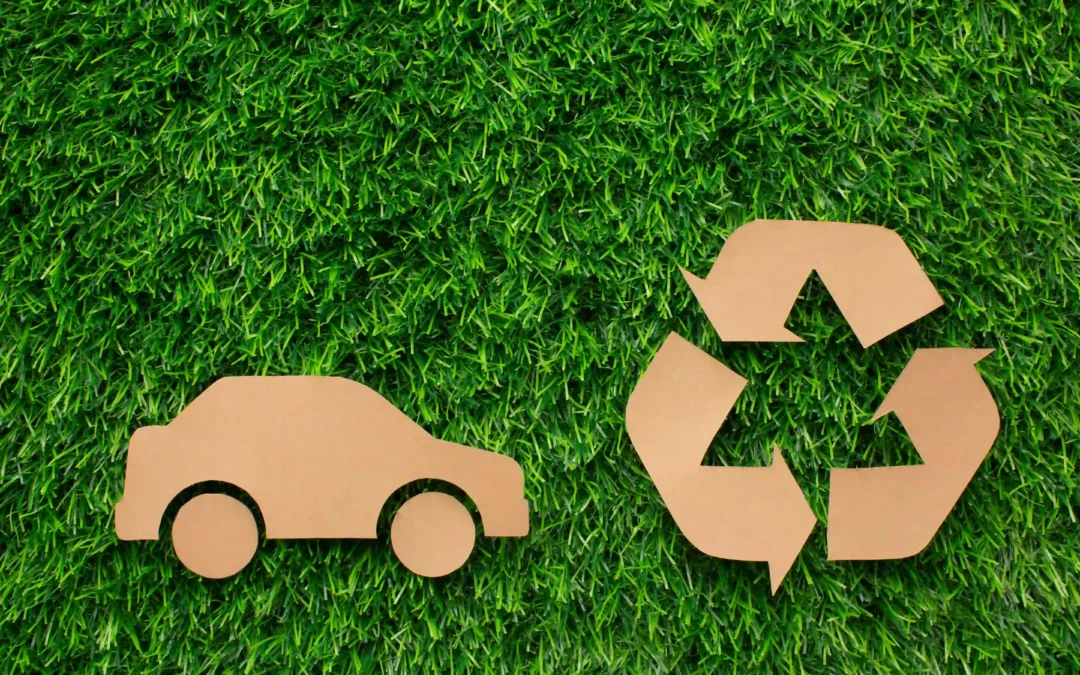
An unused car parked at home may seem harmless. Yet few notice the hidden downside of leaving it idle. As days pass, dripping fluids seep into the ground beneath it. Over time, its battery leaks harmful substances. Parts made of rubber and metal wear away without anyone touching them. Slow decay turns what looks like stillness into pollution
Every time someone drops off a worn-out vehicle in Toronto, space opens up in their garage. That move also quietly helps clean the air people breathe. Soil stays safer when fluids from rusting cars stop leaking into the ground. Waterways benefit too, since heavy metals stay out of streams. Resources get another life because usable parts live on in different machines. This piece shows how each retired car adds up to less pollution overall. Doing this means taking part in something bigger than just cleaning clutter.
Why Old Cars Are an Environmental Problem?
What happens when cars quit working? That question matters before diving into why recycling them helps. An old car sitting idle isn’t suddenly safe. It often causes trouble the longer it stays put.
Here is what happens when an old car is left unattended:
- Engine oil, coolant, transmission fluid, and brake fluid start leaking into the ground
- Old car batteries contain lead and sulfuric acid, which are seriously toxic
- The air conditioning system may still have refrigerants that damage the ozone layer
- Fuel residue in old tanks can seep into groundwater over time
- Tires and plastics slowly break down and release microplastics into the environment
Toronto has strict environmental standards, and when old cars are not disposed of properly, it becomes a community problem. Using a scrap car removal service in Toronto that follows certified disposal protocols changes that completely
The Real Environmental Benefits of Scrapping Your Old Car
1. It Reduces Greenhouse Gas Emissions
Old cars are often far less fuel-efficient than newer models, and they tend to produce more emissions even if they are still running. But here is the bigger picture. When your car gets recycled, the steel and aluminum recovered from it can be used to produce new materials without mining raw ore.
Recycling steel uses around 74% less energy compared to producing steel from virgin iron ore. That directly means fewer carbon emissions from steel plants and less demand on fossil fuels used in the mining process. When you multiply that across thousands of cars scrapped in Toronto every year, the reduction in emissions becomes significant.
2. It Keeps Toxic Fluids Out of Toronto’s Waterways
Water for drinking flows from Lake Ontario, close to Toronto. When old cars leak harmful liquids, the soil soaks them up. These poisons move slowly underground, sometimes ending in rivers or lakes.
Fluids from old cars get collected carefully when professionals handle junk car removal. So the ground stays clean, because motor oil does not seep underground. Rainwater carries nothing harmful anymore, since antifreeze never spills freely. Life near water feels safer – lakes hold their clarity, creeks run undisturbed across the GTA.
3. It Reduces the Demand for New Raw Materials
Fresh digging for raw metals tears up nature like few things can. Hitting the ground changes whole living zones, sometimes forever. Water gets pulled out by the ton, leaving less behind. Poisons often leak into nearby streams after rain hits waste piles. Power demand skyrockets when machines run day and night.
A single vehicle broken down in Toronto means less hunger for raw earth stuff like iron rock, aluminum chunks, and bauxite dust. Stuff pulled out doesn’t vanish – gets tossed right back into making things anew. Less digging follows. This tiny move links quietly to something way bigger than itself.
4. It Prevents Landfill Overload
Most vehicles tip the scales at around 1400 to 2000 kilos. Toss one into a dump, and suddenly you’ve got tonnes piling up, staying put for years on end. Since metals refuse to break down, they remain exactly where they land. Sitting. Waiting. Not going anywhere.
Most of a car’s weight – around 80 to 85 percent – finds new life through careful recycling. Landfills see far less waste because of it. Across Toronto’s many scrapped vehicles, the saved materials pile into the hundreds of millions of kilograms.
5. It Handles Refrigerants That Harm the Ozone Layer
Older vehicles rely on cooling agents such as R-12 or early forms of R-134a. When junked carelessly, those substances escape skyward – harming the ozone layer. In Toronto, licensed recycling centers must pull out these gases first, using tools that meet official standards. Removing them ahead of teardown stops one clear path of environmental harm.
What About the Carbon Footprint of Your Old Car Day to Day
Older cars usually pollute more on each drive, even when used just now and then. Though made years ago, many of these vehicles miss out on cleaner tech found in today’s models. Since they gulp down fuel without much care, every journey pumps extra carbon dioxide into the air. Rough roads or long waits make it worse, yet the engine keeps pushing smoke regardless.
Out on the curb, once that car is gone for good – torn down, hauled away – it can’t keep spitting fumes. Swap it out with something leaner, built smarter, and the air gets cleaner faster. Pollution shuts off at the source while each new kilometre burns less, pushing fewer toxins skyward.
Final Thoughts
Getting rid of an old car does more than free up room or bring in some money. For people living in Toronto, it turns into a clear choice for the planet. Toxic fluids stay contained when you act instead of waiting. Raw material needs to drop because steel gets reused in another way. Metals find new life through recycling systems already in place. Harmful parts never reach ground or water if handled right. A vehicle left behind slowly poisons everything nearby. Stillness causes damage that movement could prevent.
Ready to move forward? Scrap Car Buyer Toronto takes care of it all, following Ontario’s rules for eco-friendly disposal. Not using your vehicle anymore? It’s worth more when recycled than left unused.
Frequently Asked Questions
Q1. How does scrapping old cars affect the environment?
Scrapping old cars reduces greenhouse gas emissions by recycling steel with 74% less energy than virgin production. It prevents toxic fluids like engine oil and coolant from entering Toronto’s waterways, recovers refrigerants that damage the ozone layer, and diverts up to 85% of a vehicle’s weight from landfills.
Q2. What makes a car non-towable?
Car recycling matters because it simultaneously addresses multiple environmental threats: it stops toxic fluid contamination of soil and water, reduces demand for raw material mining, cuts steel production emissions by up to 74%, prevents landfill overload, and safely neutralizes ozone-damaging refrigerants. Each scrapped vehicle contributes to cleaner air, water, and land in Toronto.
Q3. Are older cars more environmentally friendly?
No. Older cars burn more fuel, emit higher levels of carbon dioxide and nitrogen oxides, and lack modern emission controls found in newer vehicles. They also leak toxic fluids into soil over time. Scrapping an old car in Toronto and recycling its materials is significantly more environmentally responsible than keeping it running.
Q4. Does leaving an old car in my driveway actually harm the environment?
Yes. An idle car slowly leaks engine oil, coolant, brake fluid, and battery acid into the soil beneath it. Over time, these toxins migrate into groundwater and nearby waterways. Old tires and plastics also shed microplastics. Inaction causes more environmental damage than most Toronto car owners realize.
Q5. What toxic materials are removed when a car is scrapped in Toronto?
Licensed Toronto scrap facilities remove engine oil, coolant, transmission fluid, brake fluid, battery acid containing lead and sulfuric acid, refrigerants such as R-12 and R-134a, and mercury switches. Each is extracted and disposed of under Ontario’s Environmental Protection Act before any crushing begins, preventing these substances from entering soil or water.
Q6. How much of a scrapped car actually gets recycled?
Around 80 to 85 percent of a vehicle’s total weight is recovered and recycled during the scrapping process. Steel, aluminum, copper, and other metals are melted down and reused in manufacturing. Across thousands of vehicles scrapped in Toronto annually, this diverts hundreds of millions of kilograms away from landfills.
Q7. What environmental laws govern car scrapping in Ontario?
Car scrapping in Ontario is governed by the Environmental Protection Act, which requires licensed facilities to safely remove all hazardous fluids and gases before dismantling any vehicle. Refrigerant recovery must meet Environment Canada standards. Facilities must also follow strict regulations for battery disposal and proper handling of lead, mercury, and other toxic components.
Q8. How does recycling car steel reduce carbon emissions in Canada?
Recycling steel from scrapped vehicles uses approximately 74% less energy than producing steel from raw iron ore. This significantly cuts carbon dioxide emissions from steel plants and reduces fossil fuel demand tied to mining operations. With thousands of cars recycled in Toronto each year, the cumulative emission reduction across Canada is substantial.
Q9. What happens to car fluids during the scrapping process in Toronto?
During scrapping in Toronto, certified technicians drain and collect all vehicle fluids engine oil, coolant, brake fluid, transmission fluid, and windshield washer fluid before any dismantling begins. These are sent to licensed processing facilities for recycling or safe disposal, ensuring none enter Toronto’s soil, groundwater, or waterways.
Related Posts
What are the Regulations for Scrapping Vehicles In Ontario?
Scrapping vehicles in Ontario falls under the Environmental Protection Act (O. Reg. 85/16), requiring end-of-life vehicle (ELV) sites to register via the Environmental Activity and Sector Registry (EASR) for activities like crushing or shredding. Owners must transfer ownership using the vehicle permit (pink slip), remove and return license plates to…
Can I Make More Money Taking a Scrap Car Apart Myself?
When a vehicle stops running or repair costs become too high, most owners start thinking about how to get some money back from it. One option is to sell the entire vehicle to a scrapyard. Another option is to take the car apart and sell the parts individually. At first…

Which is Better For Getting Rid Of My Car – Selling to A Junk Car Buyer, Listing it on a Marketplace, or Taking It To A Scrap Yard?
There comes a time for most car owners when it no longer makes financial sense to hold onto an aging vehicle. Repairs begin to stack up, rust adapts and the vehicle remains unused, still costing you insurance payments, space and towing. At that point, a lot of residents in Toronto…
How to Scrap a Non-Running Car in Toronto (Even If It’s Not Towable)
A car that stops working completely can turn into a daily headache. It sits in your parking space, collects dust, and slowly becomes a burden. Many Toronto car owners delay the decision to scrap because they think removal will be complicated or expensive. This confusion often leads to wasted time…
How to Handle Hazardous Materials when Scrapping a Car in Canada
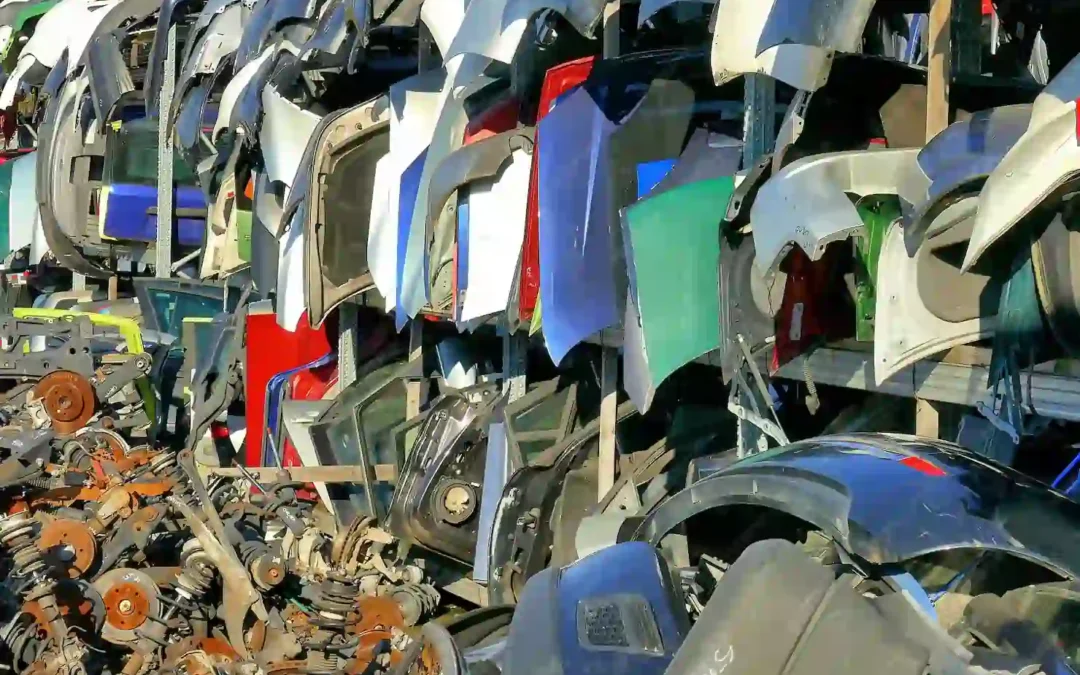
Where it is crushed and shredded, hazardous materials must be removed before destruction. This process is known as vehicle depollution, involves a certified auto recycler draining engine oil, coolant, brake fluid, transmission fluid, and fuel; safely removing the car battery, tyres and refrigerants; and safely disposing of or neutralising airbags…

How to Scrap an Inherited Car in Ontario (Estate and Probate Basics)
TL;DR (Summary) Only the named executor or court-appointed estate trustee can legally scrap or sell an inherited car in Ontario Key documents needed: death certificate, vehicle ownership permit, will/probate proof, and executor ID Scrapping makes sense when repair costs exceed the car\'s value, or the estate needs quick asset…
How to Choose the Best Scrap Car Removal Company in Toronto (Checklist)
Getting rid of an old vehicle that has reached the end of its life can feel like a huge weight on your shoulders. Maybe it is taking up space in your driveway, or the repair bills are finally costing more than the car itself. In a busy city like Toronto,…
How to remove a scrap car from private property legally?
The first thing you have to do for a legal scrap car removal from private property is through your local municipal bylaw office. For that, you need to: Confirm the vehicle is unauthorised: Before proceeding with any further step, it is crucial to ensure that the vehicle in question…
My Car Failed Safety Inspection in Ontario — Should I Scrap It or Repair It?
Finding out your car failed its safety inspection in Ontario is a massive headache. One minute, you think you just need a simple sticker, and the next, you are looking at a repair bill that might be worth more than the car itself. Whether you are selling your vehicle or…
What services offer instant cash for scrap cars in Canada?
In Canada, there are licensed scrap car removal services that specialize in providing instant cash for junk cars, ranging from local junk car buyers and national auto recyclers to online car buying ventures. Most offer free towing and same-day payment, making it easier than ever to convert your unwanted vehicle…