

Selling or buying a used car privately in Ontario? You’ll need a bill of sale — here’s a free, fillable template, plus what actually has to be on it.
What Is a Bill of Sale, and Do You Actually Need One in Ontario?
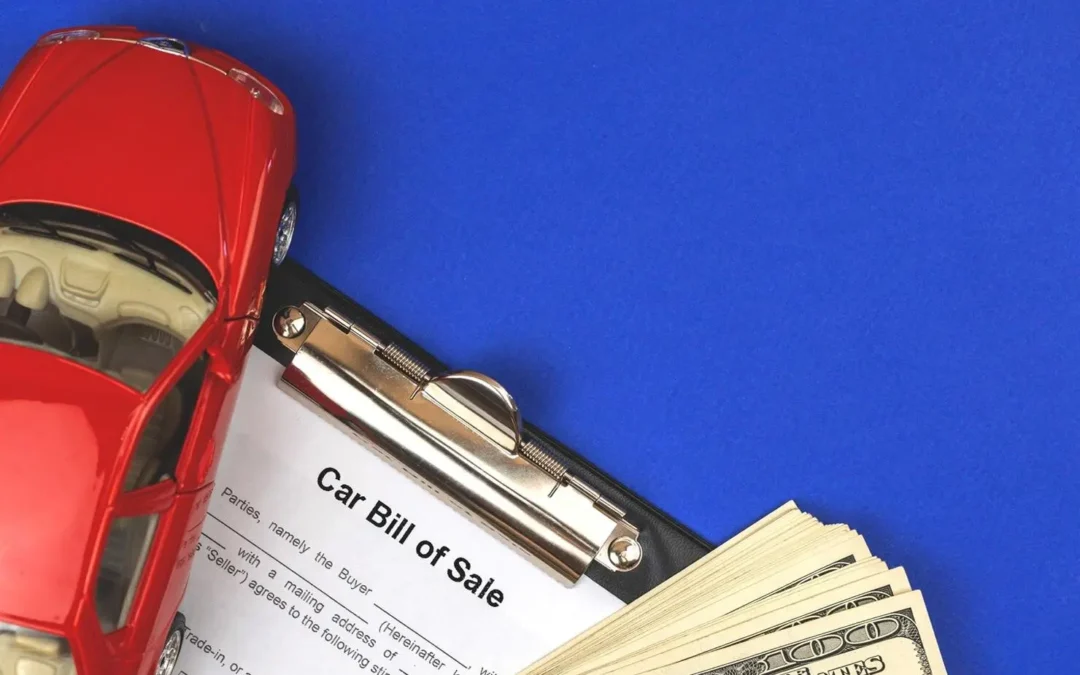
A bill of sale is a signed record of a vehicle changing hands: who sold it, who bought it, what it is, and for how much. Ontario doesn’t require a specific form for it — it can be a typed document, a handwritten note, or a downloaded template like this one — but it does expect one to exist. ServiceOntario may ask to see it, and the buyer needs it to register the vehicle in their name within 6 days of the sale.
buyer who skips this step and keeps driving on a temporary permit instead is title jumping in Ontario — a practice that carries fines and leaves the original seller exposed
Without one, you have no paper trail if the car turns out to have a problem, the buyer disappears without transferring ownership, or you need to prove the sale price for tax purposes.
If you want the fuller picture — the tax and legal reasons this document matters, not just the fields to fill in — see our guide to why a bill of sale is so important in Ontario.
What has to be on a Used Vehicle Bill of Sale
A valid Ontario bill of sale should include:
- Vehicle details — VIN, year, make, model, body style, odometer reading, colour, license plate number
- Sale price
- Seller’s full name/company name, address, and signature
- Buyer’s full name/company name, address, and signature
- Date of sale
- Sale condition — sold “as-is, where-is,” or certified and safety tested
That’s it. It doesn’t need to be notarized, and both parties keeping a signed copy is usually enough.
As-Is vs. Certified — Which Box Do You Check?
- As-is, where-is means the buyer accepts the car in its current condition, with no guarantees from the seller. This is the standard for older or private-party sales.
- Certified and safety tested means the seller had the vehicle safety-inspected and is representing it as roadworthy. If you check this box, keep the safety certificate with the bill of sale.
Most private used-car sales in Ontario go through as-is — but be upfront about known issues either way. Misrepresenting a vehicle’s condition can create legal problems after the sale.
How to Fill Out a Used Vehicle Bill of Sale
- Fill in the vehicle section together, ideally while standing next to the car so the VIN and plate match exactly.
- Agree on and write in the purchase price.
- Check the as-is or certified box — only one.
- Both parties sign and date it.
- Make two copies — one for the buyer, one for the seller.
- The buyer brings their copy to ServiceOntario, along with the vehicle portion of the seller’s ownership permit and a completed Used Vehicle Information Package (UVIP), to register the car in their name.
Depending on the sale, ServiceOntario may also ask both parties to complete a sworn statement for vehicle transfer in Ontario, which must be signed in front of a commissioner or notary
A Quick Note
This template is provided as a free, general-purpose example — it’s not legal advice, and every sale is a little different. If your situation involves a lien, a lease, an estate, or a dispute, it’s worth a quick call to a lawyer or ServiceOntario before you sign anything.
Not Selling Privately? Skip the Paperwork Entirely
If your car is older, non-running, or just not worth the hassle of a private sale, you don’t need a bill of sale at all — we handle the entire ownership transfer for you.
Scrap Car Buyer Toronto pays cash on the spot, tows the vehicle for free, and takes care of all the government paperwork the same day. No listing it, no meeting strangers, no waiting on a buyer to actually show up.
📞 Call (416) 540-7989 for a free, no-obligation quote — most pickups happen within 1–3 hours.
Related Posts

Sworn Statement for Vehicle Transfer in Ontario: Full Guide
Table of Contents Which Sworn Statement Do You Need? (1157E vs. 1155E) Who Qualifies for a Tax-Free Family Gift Documents to Bring to ServiceOntario How to Transfer Ownership of a Car in Ontario: Step by Step How to Sign Over Ownership of a Car (Donor Checklist) How to Fill Out…
Buying a Salvage Title Car in Ontario: Risks, Costs & Red Flags
Table of Contents What Is a Salvage Title on a Car? Ontario\'s Vehicle Brands: Salvage vs. Rebuilt vs. Irreparable Why a Car Gets Branded Salvage in the First Place Going From Salvage to Rebuilt: The Ontario Process Where Salvage Title Cars Come From: Auctions in Ontario The Real Risks of…
Title Jumping in Ontario: What Every Car Seller Needs to Know
Table of Contents What Is Title Jumping? Is Title Jumping Illegal? Is It a Crime? How to Properly Transfer Car Ownership in Ontario What Happens If You Don\'t Transfer Ownership If the Seller Won\'t Transfer the Title How to Report Suspected Title Jumping or Fraud How to Avoid Title Jumping…
Vehicle Bill of Sale Ontario: Why It’s Important & How to Get One
Table of Contents What Is a Vehicle Bill of Sale? Why a Bill of Sale Is So Important in Ontario Ontario\'s Legal Requirements Where to Get a Bill of Sale in Ontario How to Write a Bill of Sale for a Vehicle Bill of Sale vs. Car Sale Purchase Agreement…
The Certificate of Destruction: Your Legal Proof When a Car Is Scrapped
Table of Contents What is a certificate of destruction? Why Do You Need a Certificate of Destruction? Certificate of Destruction in Ontario: RPRA vs. EASR Do I Need a Certificate of Destruction to Scrap My Car in Ontario? What Documents Do I Need to Scrap My Car in Canada? What…
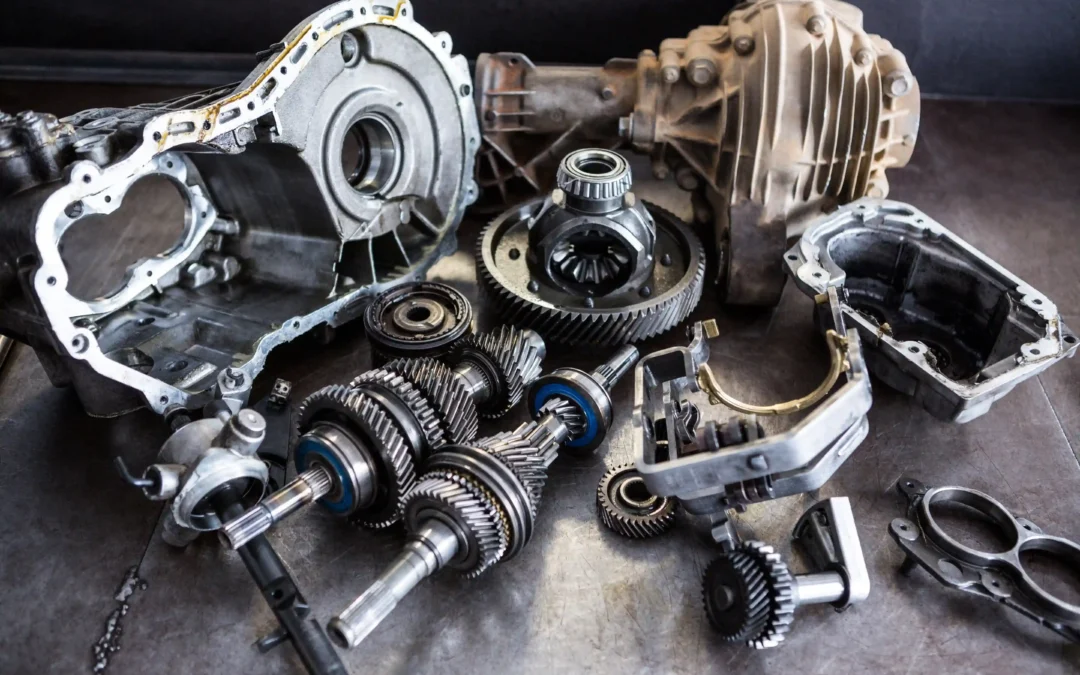
What Is a Scrap Transmission Worth in Canada?
Table of Contents How Much Is a Transmission Worth for Scrap in Toronto? Scrap Transmission Price Per Pound in Ontario Aluminum vs. Steel Transmission Scrap Price Automatic vs. Manual vs. CVT Scrap Value How Much Do Transmissions Weigh? Scrap Value vs. Transmission Cost What Affects the Price? Where to Sell…
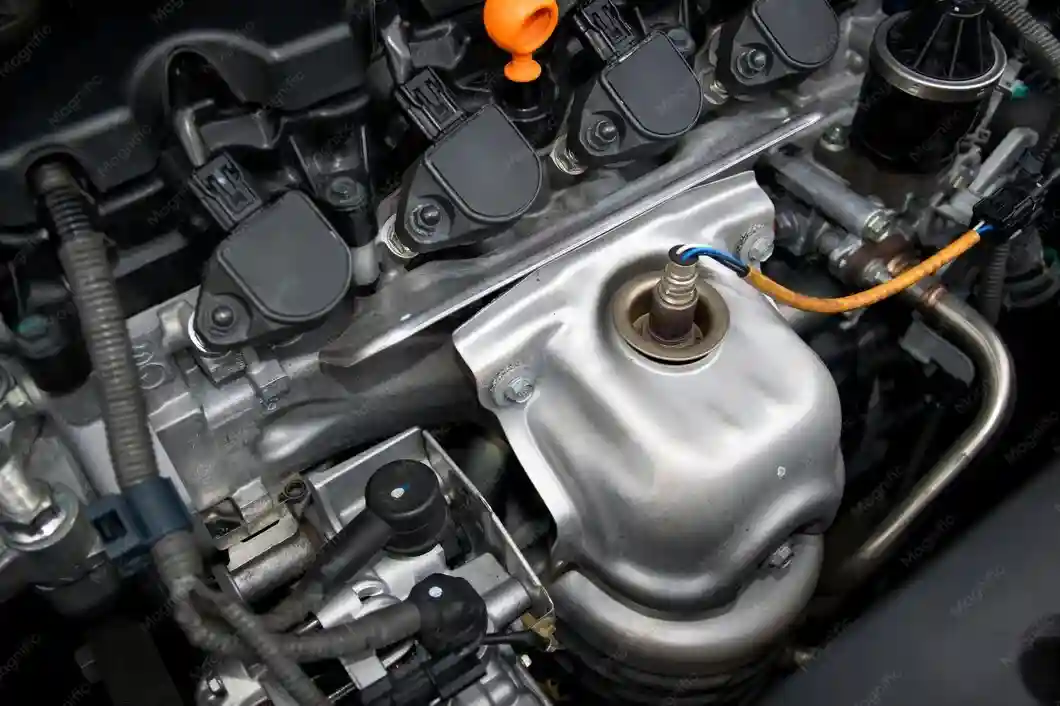
What Is an Electric Motor from a Scrap Car Worth in Canada?
Table of Contents How Much Is an Electric Motor from a Scrap Car Worth Right Now? Car With a Blown Motor vs. Selling Electric Parts Separately What Actually Drives Electric Motor Scrap Prices Electric Motors Found in a Car — and What Each One Is Worth Who\'s Asking This, and…
Catalytic Converter Theft Is Hitting Toronto Hard — What to Do If Yours Is Targeted
Table of Contents Why Toronto Is a Hotspot for Catalytic Converter Theft How to Tell If Your Catalytic Converter Was Stolen Will your car start if someone steals your catalytic converter? What should I do if someone steals my catalytic converter? Why Catalytic Converters Are Stolen (And What Thieves Do…

Where to find customer reviews for scrap car parts retailers in Canada?
Table of Contents Why Review Research Matters Before You Sell to a Scrap Yard Best Websites to Read Scrap Yard Reviews Are Google Reviews Reliable for Auto Salvage Yards? Is BBB Good for Checking Scrap Car Buyers? How Do I Know If a Scrap Yard Is Legit? What to Look…
The “Bait-and-Switch” Scrap Car Scam Costing Toronto Drivers Hundreds
Table of Contents What Is a Bait-and-Switch Scrap Car Scam? How It Actually Plays Out Why the Price Drops on Arrival Is It Legal for a Buyer to Change the Price at Pickup? Licensed vs. Unlicensed Scrap Car Buyer in Toronto What Actually Determines a Fair Scrap Value Signs of…

Your eco-friendly choice for clutter-free driveways and fuller wallets!
Business Hours
Mon-Sun: 8am – 9pm