
Table of Contents
- How Much Is an Electric Motor from a Scrap Car Worth Right Now?
- Car With a Blown Motor vs. Selling Electric Parts Separately
- What Actually Drives Electric Motor Scrap Prices
- Electric Motors Found in a Car — and What Each One Is Worth
- Who’s Asking This, and Who Buys These Motors in Toronto and the GTA
- How to Get the Highest Payout
- Is It Legal to Pull and Sell Motors From a Car in Ontario?
- Key Takeaways
- Frequently Asked Questions
Quick answer: In Canada in 2026, a single electric motor pulled from a scrap car — a wiper motor, power window motor, blower motor, or EV traction motor — is worth roughly $0.20 to $1.10 CAD per pound, depending on its copper and aluminum content, size, and condition. A small accessory motor (1–4 lbs) nets only a few dollars on its own, while a large hybrid or EV drive motor (40–150+ lbs) can be worth $40 to $250 or more. But here’s what most guides leave out: if your car itself has a blown motor (a failed or seized engine), selling the whole vehicle to a licensed scrap buyer almost always pays far more than stripping and selling its electric components individually — often $300 to $3,000+ CAD, depending on the vehicle’s weight, year, and metal content. The rest of this guide breaks down exactly why, with current Ontario pricing data.
How Much Is an Electric Motor from a Scrap Car Worth Right Now?
Electric motor scrap price isn’t one fixed number — yards pay by the pound based on the metal recoverable from each unit, mainly copper windings and aluminum or steel housings. As of late August 2026, copper is trading near record highs (spot copper has been sitting close to US$6.55–$6.60 per pound, after gaining roughly $0.25–$0.30/lb in a single recent move), and that surge is flowing directly into what Ontario yards pay for motor scrap. Prices reported across GTA-area scrap yards in mid-2026 ranged from about $0.44 to $0.81 per pound for electric motor scrap, with the wider Canadian average sitting closer to $0.46/lb — noticeably higher than the $0.10–$0.30/lb range that was typical a few years ago.
Here’s what that looks like broken down by motor category:
| Motor Category | Typical Weight | Scrap Price Range (CAD/lb) | Typical Payout |
|---|---|---|---|
| Small accessory motors (wiper, window, seat) | 1–4 lbs | $0.20 – $0.45 | $1 – $6 |
| HVAC blower / radiator fan motors | 3–8 lbs | $0.30 – $0.55 | $3 – $12 |
| Power steering / actuator motors | 4–10 lbs | $0.35 – $0.60 | $5 – $15 |
| Alternators & starters (motor-adjacent) | 8–15 lbs | $0.35 – $0.65 | $10 – $25 |
| Hybrid/EV traction motors | 40–150+ lbs | $0.55 – $1.10 | $40 – $250+ |
These figures are general Ontario market ranges, not a quote — the only way to know exactly what your motor or vehicle is worth is to have it weighed and inspected by a buyer.
Car With a Blown Motor vs. Selling Electric Parts Separately
This is where most searches actually land, and where most articles on this topic get vague. There’s an important distinction between two very different situations:
“Electric motor scrap” usually refers to small components — wiper motors, window motors, HVAC blowers, or, in an EV/hybrid, the actual drive motor — sold individually by weight.
A “car with a blown motor” or “blown motor in car” almost always refers to the internal combustion engine having failed (a thrown rod, cracked block, or seized bearings), not an electric motor. When people search “car motor scrap price,” they’re typically asking what a vehicle with a dead engine is worth as scrap, not the value of one small part.
If your engine is blown, you have two real options:
- Strip and sell components individually — the engine block, alternator, starter, wiper motor, window motors, and wiring harness, each sold separately for scrap or used-parts value. This takes time, tools, a way to transport heavy parts, and knowledge of what buyers want.
- Sell the whole car as-is to a licensed scrap buyer. The buyer pays based on the vehicle’s total weight, drivetrain, and recoverable metals (engine block, catalytic converter, aluminum wheels, wiring, and yes, the electric motors inside it) in one transaction, with free towing in most cases.
For the vast majority of Toronto and GTA owners, option two nets more money for far less effort. A single wiper motor might be worth $2–4. But that same car — engine, body, wheels, wiring, and all — can weigh 2,800 to 4,000+ lbs and typically brings in several hundred to a few thousand dollars in the current Ontario scrap market, especially with copper and steel prices elevated. Scrap Car Buyer Toronto buys vehicles with blown motors, dead transmissions, or non-running electrical systems as-is — no need to pull the motor out yourself first.
What Actually Drives Electric Motor Scrap Prices
Copper content. Copper is the single biggest factor in electric motor scrap value. The windings inside every motor are copper wire, and the denser and thicker those windings are, the more the motor is worth. Large industrial-style and EV traction motors carry thick copper coils; small accessory motors have thin, low-mass windings.
Global copper markets. Motor scrap prices track the broader copper market almost in real time. Copper has been on a strong run heading into September 2026, driven by tight exchange inventories and steady demand from EV manufacturing and electrical infrastructure — a big part of why per-pound rates for motor scrap have climbed compared to 2023–2024 levels.
Condition. A clean motor with the housing intact and no attached plastic, oil, or debris fetches a better rate than a dirty one — often 10–15% more, since it saves the yard processing time.
Location and bulk. GTA-area yards, with higher volume, tend to post slightly better rates than yards in smaller or remote Ontario communities. Selling motors in bulk, or as part of a full vehicle, almost always earns a better per-pound rate than dropping off one or two small units
Because copper content drives most of the value, check how scrap car prices change with metal market swings before you sell.
Electric Motors Found in a Car — and What Each One Is Worth
A single car can contain anywhere from 6 to over 20 individual electric motors, depending on how equipped it is:
- Wiper motor — small, moderate copper density, easy to remove
- Power window and seat motors — compact, copper-rich for their size, usually one per door
- HVAC blower motor — mid-sized, found behind the dashboard
- Radiator cooling fan motor — moderate size, exposed at the front of the engine bay
- Electric power steering (EPS) motor — increasingly common on vehicles built after roughly 2010, replacing hydraulic steering pumps
- Starter motor and alternator — technically motor/generator units, high copper content, among the more valuable small components
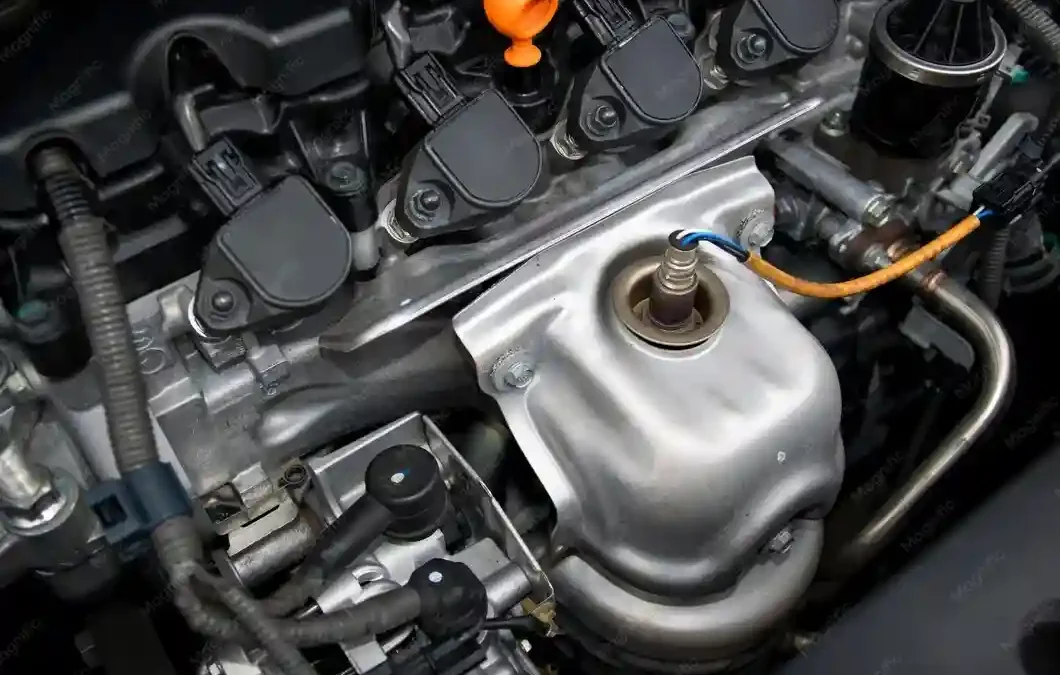
- Hybrid or EV traction motor — by far the most valuable, containing significant copper windings and often rare-earth magnets, but requiring certified high-voltage handling to remove safely
Individually, these add up to modest cash — a fully stripped ICE (gasoline) vehicle’s small motors might total $40–$80 combined. An EV or hybrid’s traction motor alone can be worth several times that on its own.
Who's Asking This, and Who Buys These Motors in Toronto and the GTA
This question tends to come from a few types of people across Toronto and the GTA:
- Drivers whose car has a blown engine or electrical failure, weighing whether to scrap the whole thing or part it out first
- DIYers and side-hustle scrappers wanting current per-pound rates before a yard run
- Independent mechanics and small shops deciding which components are worth the labour to remove
- Hybrid and EV owners curious what their vehicle’s traction motor is worth, separate from the battery pack
The common thread is the same core question: is it worth the time to remove and sell parts individually, or sell the whole vehicle? For most people without a shop, tools, and buyer relationships already in place, a licensed recycler that handles the whole car — motor, body, and all — is simpler and usually more profitable. Services offering scrap car removal in Toronto typically quote a flat price for the entire vehicle based on weight, year, and condition, then tow it away at no charge.
How to Get the Highest Payout
A few habits make a measurable difference to your payout:
- Strip non-metal parts — plastic housings and wiring insulation add weight without value; removing them can raise your per-pound rate by 10–15%.
- Sort motors by type and size before dropping them off; mixed loads are often paid at the lowest common rate.
- Ask about bulk pricing for loads over 100 lbs, and get more than one quote — rates vary between yards, especially in a volatile copper market.
- Weigh parting-out effort against a whole-car quote. If a buyer’s flat cash offer exceeds what you’d realistically net from days of disassembly, take the simpler route. Getting cash for your scrap car in one transaction skips the time, tools, and transportation of parting it out piece by piece.
Is It Legal to Pull and Sell Motors From a Car in Ontario?
Yes, removing and selling individual motors from your own vehicle is legal in Ontario, but there are rules worth knowing before you do it yourself, especially around fluids and hybrid/EV components.
Ontario’s Environmental Protection Act regulations for end-of-life vehicles require that contaminants — oil, coolant, fuel, and refrigerant — be properly removed (depolluted) before a vehicle is crushed or shredded, and any refrigerant recovery must be handled by a certified technician under Ontario’s ozone-depleting substances rules, as outlined by the Government of Ontario’s end-of-life vehicle guidance. Licensed auto recyclers in Ontario also follow the industry’s environmental code of practice through the Ontario Automotive Recyclers Association, which sets standards for how fluids, batteries, and other hazardous materials must be handled during dismantling.
One safety note specific to this topic: hybrid and EV traction motors operate on high-voltage systems (typically 200–800V), identifiable by orange-coloured cabling. These should only be disconnected and removed by someone trained in high-voltage vehicle systems — not as a DIY project — which is another reason most EV and hybrid owners are better off selling the complete vehicle to a licensed recycler rather than attempting to remove the motor themselves.
Key Takeaways
| Question | Short Answer |
|---|---|
| Electric motor scrap price in Canada | ~$0.20–$1.10 CAD/lb, depending on motor type and copper content |
| Small accessory motor value (wiper, window) | $1–$6 each |
| EV/hybrid traction motor value | $40–$250+ depending on size and condition |
| Car with a blown motor — whole vehicle value | Typically $300–$3,000+ CAD depending on weight, year, and metals |
| Is parting out a car worth more than scrapping it whole? | Usually not, for most drivers — labour and time often outweigh the extra cash |
| Legal to remove motors yourself in Ontario | Yes, but fluids must be handled properly and EV motors need certified high-voltage removal |
| Where prices are trending (late 2026) | Rising, tracking a strong copper market near record highs |
Conclusion
An individual electric motor pulled from a scrap car is worth a modest amount on its own — a couple of dollars for a small wiper or window motor, up to a few hundred for a large EV traction motor, depending on copper content and the metals market. But if the real question is what a car with a blown motor is worth, the answer is almost always bigger than the sum of its parts: a licensed buyer pricing the whole vehicle by weight, drivetrain, and metal content typically pays more than stripping and selling its electric components one at a time, without the labour or handling risk of DIY dismantling. If your vehicle has a blown motor or simply isn’t worth repairing anymore, getting a direct quote from a licensed GTA recycler is the fastest way to find out what it’s worth today.
Frequently Asked Questions
Q1. What is the scrap price for electric motors in Canada right now?
Most electric motor scrap in Canada is currently trading between roughly $0.20 and $0.80 CAD per pound for small-to-medium automotive motors, with premium rates up to $1.10/lb for large, copper-dense units like EV traction motors, driven by copper prices that have climbed close to record highs through 2026.
Q2. Is a car with a blown motor worth scrapping?
Yes. A blown (failed) engine doesn’t stop a vehicle from having scrap value — the body, wheels, catalytic converter, wiring, battery, and remaining electric motors (wipers, windows, blower, alternator) are all still worth money to a licensed buyer, who typically pays a flat rate for the whole vehicle regardless of engine condition
Q3. Should I remove the electric motors before scrapping my car, or leave them in?
For most owners, leaving them in is simpler and just as profitable, since a licensed scrap buyer accounts for all recoverable metals — including the motors — when quoting the whole vehicle. Removing them yourself only makes sense if you have the tools, time, and a direct buyer for individual parts.
Q4. How much is an EV or hybrid traction motor worth on its own?
A hybrid or EV drive motor can be worth anywhere from roughly $40 to over $250 in scrap value alone, thanks to its size and copper content, though these should only be removed by someone trained in high-voltage vehicle systems.
Q5. Do scrap yards pay more for copper-heavy motors?
Yes. Copper is the dominant value driver in any electric motor — the more copper windings a motor contains relative to its housing weight, the higher its per-pound scrap price will be.
Q6. Is it legal to scrap a car with a blown motor in Ontario?
Yes. There’s no legal requirement for a vehicle’s engine to be functional before it’s scrapped. Licensed Ontario recyclers are required to depollute vehicles (remove fluids and refrigerants properly) before processing, regardless of whether the engine runs.
Related Posts

Sworn Statement for Vehicle Transfer in Ontario: Full Guide
Table of Contents Which Sworn Statement Do You Need? (1157E vs. 1155E) Who Qualifies for a Tax-Free Family Gift Documents to Bring to ServiceOntario How to Transfer Ownership of a Car in Ontario: Step by Step How to Sign Over Ownership of a Car (Donor Checklist) How to Fill Out…
Buying a Salvage Title Car in Ontario: Risks, Costs & Red Flags
Table of Contents What Is a Salvage Title on a Car? Ontario\'s Vehicle Brands: Salvage vs. Rebuilt vs. Irreparable Why a Car Gets Branded Salvage in the First Place Going From Salvage to Rebuilt: The Ontario Process Where Salvage Title Cars Come From: Auctions in Ontario The Real Risks of…
Title Jumping in Ontario: What Every Car Seller Needs to Know
Table of Contents What Is Title Jumping? Is Title Jumping Illegal? Is It a Crime? How to Properly Transfer Car Ownership in Ontario What Happens If You Don\'t Transfer Ownership If the Seller Won\'t Transfer the Title How to Report Suspected Title Jumping or Fraud How to Avoid Title Jumping…
Vehicle Bill of Sale Ontario: Why It’s Important & How to Get One
Table of Contents What Is a Vehicle Bill of Sale? Why a Bill of Sale Is So Important in Ontario Ontario\'s Legal Requirements Where to Get a Bill of Sale in Ontario How to Write a Bill of Sale for a Vehicle Bill of Sale vs. Car Sale Purchase Agreement…
The Certificate of Destruction: Your Legal Proof When a Car Is Scrapped
Table of Contents What is a certificate of destruction? Why Do You Need a Certificate of Destruction? Certificate of Destruction in Ontario: RPRA vs. EASR Do I Need a Certificate of Destruction to Scrap My Car in Ontario? What Documents Do I Need to Scrap My Car in Canada? What…

Free Ontario Used Vehicle Bill of Sale Template (2026)
Table of Contents What Is a Bill of Sale, and Do You Actually Need One in Ontario? What has to be on a Used Vehicle Bill of Sale As-Is vs. Certified - Which Box Do You Check? How to Fill Out a Used Vehicle Bill of Sale Not Selling Privately?…
What Is a Scrap Transmission Worth in Canada?
Table of Contents How Much Is a Transmission Worth for Scrap in Toronto? Scrap Transmission Price Per Pound in Ontario Aluminum vs. Steel Transmission Scrap Price Automatic vs. Manual vs. CVT Scrap Value How Much Do Transmissions Weigh? Scrap Value vs. Transmission Cost What Affects the Price? Where to Sell…
Catalytic Converter Theft Is Hitting Toronto Hard — What to Do If Yours Is Targeted
Table of Contents Why Toronto Is a Hotspot for Catalytic Converter Theft How to Tell If Your Catalytic Converter Was Stolen Will your car start if someone steals your catalytic converter? What should I do if someone steals my catalytic converter? Why Catalytic Converters Are Stolen (And What Thieves Do…

Where to find customer reviews for scrap car parts retailers in Canada?
Table of Contents Why Review Research Matters Before You Sell to a Scrap Yard Best Websites to Read Scrap Yard Reviews Are Google Reviews Reliable for Auto Salvage Yards? Is BBB Good for Checking Scrap Car Buyers? How Do I Know If a Scrap Yard Is Legit? What to Look…
The “Bait-and-Switch” Scrap Car Scam Costing Toronto Drivers Hundreds
Table of Contents What Is a Bait-and-Switch Scrap Car Scam? How It Actually Plays Out Why the Price Drops on Arrival Is It Legal for a Buyer to Change the Price at Pickup? Licensed vs. Unlicensed Scrap Car Buyer in Toronto What Actually Determines a Fair Scrap Value Signs of…

Your eco-friendly choice for clutter-free driveways and fuller wallets!
Business Hours
Mon-Sun: 8am – 9pm