
Updated – 28-07-2026
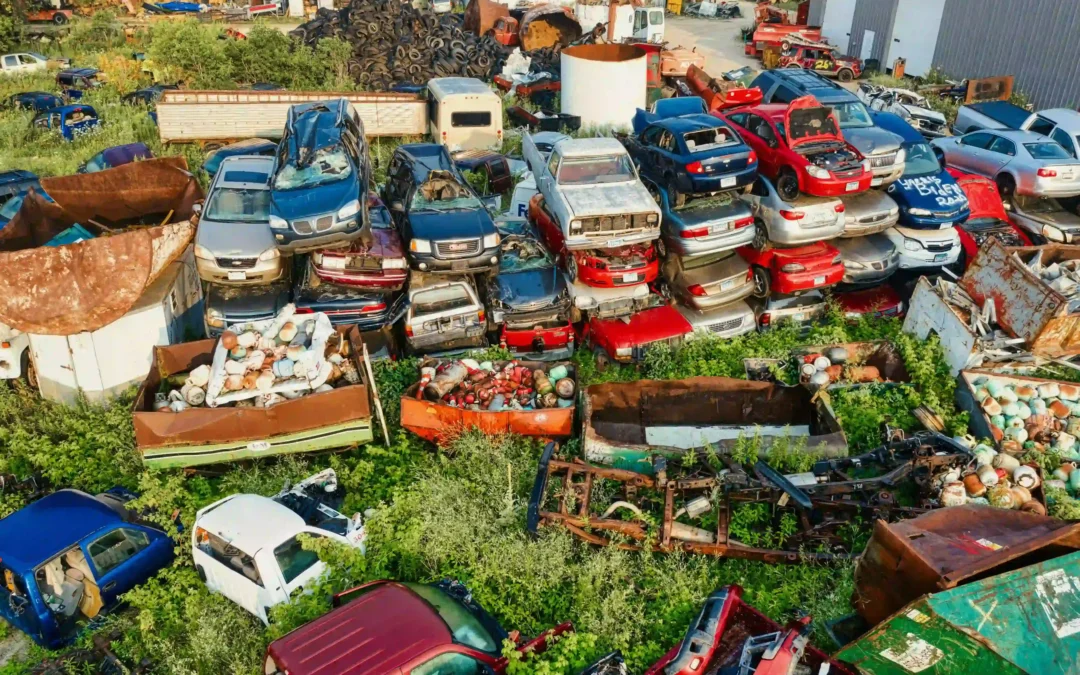
To prepare a scrap car for selling to a salvage yard, you need to gather your vehicle ownership documents, remove all personal belongings, take care of a few quick admin tasks like cancelling your plates and insurance, decide whether to keep any high-value parts, and get a quote before booking a free pickup. This entire process can be completed in a few hours and makes sure you get paid quickly without any last-minute delays.
Why Preparation Matters Before You Sell
Most people assume selling a junk car is as easy as making one phone call and waiting for a tow truck. But a little preparation before that call can mean the difference between a smooth, same-day sale and frustrating back-and-forth that wastes your time.
Salvage yards and scrap car buyers in Ontario check your documents, look at the car’s condition, and verify that you are the legal owner before they hand over any cash. If your paperwork is not in order or you realize you left valuables inside after the car is gone, there is very little you can do about it.
Getting your car ready takes less than a day and puts you in full control of the sale. If you are in Toronto and want to skip the hassle, you can get a free, no-obligation quote directly from Scrap Car Buyer Toronto before you even start the prep process.
How Much Is My Scrap Car Worth?
One of the first things people ask is: how much is my scrap car worth? The honest answer is that it depends on several factors, including the vehicle’s weight, current scrap metal prices, the year, make, and model, and whether any parts are still in working condition.
In Ontario, A large truck or SUV in decent condition can fetch $800–$1,400, while a small non-running sedan typically falls in the $200–$400 range. Heavier vehicles, such as trucks and SUVs, generally pay more because they contain more steel and aluminum. If your car has a working battery, functional tires, or a running engine, you can often negotiate a stronger offer.
The smartest first step is to get an instant quote for scrap car removal from a trusted local buyer before committing to anything.
Also Read: How Do Junk Car Buyers Determine The Value of a Vehicle? (Toronto Guide, Updated 2026)
What You Need Before Selling Your Car to a Salvage Yard
If you only have five minutes before you call a buyer, here’s the short version. You need four things: your ownership permit, a valid photo ID, your license plates removed, and any spare keys or fobs on hand. Everything else in this guide is detail on how to handle each one.
| What You Need | Required in Ontario? | Where to Get a Replacement |
|---|---|---|
| Vehicle Ownership Permit (Pink Slip) | Yes — proves legal ownership | Any ServiceOntario location, $32 |
| Government-Issued Photo ID | Yes — driver’s licence or Ontario ID card | ServiceOntario |
| License Plates (removed) | Yes — plates stay with the owner, not the car | N/A — you keep them or return them to ServiceOntario |
| Spare Keys and Fobs | Not legally required, but expected | Dealership or locksmith if replacing |
Proof of Ownership (Vehicle Permit/Title)
This is the document that legally lets a buyer take the car off your hands. We cover exactly what to do if yours is lost, missing, or in someone else’s name in the [section right after Step 1 below](#no-ownership-permit) — including a walkthrough of two real situations people commonly search for.
Valid Photo ID
A driver’s licence or Ontario ID card is enough. The name on it should match the name on the ownership permit, since that’s what the buyer checks the transfer against.
License Plates
In Ontario, plates belong to you, not the vehicle — they need to come off before pickup. This is covered in full in Step 3’s admin checklist below, along with what to do if a plate is lost, stolen, or damaged rather than removed.
Spare Keys and Fobs
Most people don’t think about keys until the tow truck is already in the driveway. If your car has a key fob rather than a plain metal key, hand over every fob you have — modern immobilizer systems are tied to the fob, and a scrap buyer doesn’t need it reprogrammed, but it’s worth confirming ahead of time in case a fob has any resale value on its own. If you’ve genuinely only got one key or fob left, that’s fine — it doesn’t affect your quote, since the vehicle isn’t being driven again. It only matters if you’re planning to keep a spare for a part-out (Step 4) or if you want a locksmith to cut a duplicate for your own records before the car leaves.
Step 1: Confirm Your Documents Are in Order
You do not need a large stack of paperwork to scrap a car in Ontario, but you do need the right pieces. At a minimum, have these three things ready before calling a buyer:
- Vehicle Ownership (Pink Slip) – proves you are the legal owner and is required to complete the transfer
- Government-Issued Photo ID – your driver’s licence is fine
- Lien Release Letter – only needed if you previously had a loan against the vehicle
Once you’ve confirmed these documents, our guide on how to legally transfer ownership of a scrap vehicle in Ontario walks through the paperwork step by step
If your ownership document is lost, you can get a replacement from any ServiceOntario location for $32 before you proceed. For a complete breakdown of the legal documentation process and what Ontario law requires when scrapping a vehicle, read our detailed guide on how to legally scrap a car in Ontario. That post covers the EASR requirements, Certificate of Destruction, and MTO notification steps in full detail.
Also Read: What documents do I need to scrap my car legally in Canada?
What If You Don’t Have the Ownership Permit?
A missing ownership permit is one of the most common reasons a scrap car sale stalls at the last minute. How you fix it depends on why it’s missing.
If it’s lost or misplaced, the fix is straightforward: any ServiceOntario location can issue a replacement for $32, and you can usually get it same-day.
If you inherited the car or the registered owner has passed away, you’ll need estate documentation (a will or letter of estate trustee) along with a death certificate to have ServiceOntario transfer or replace the permit in your name before a buyer can complete the sale.
If the permit is in someone else’s name — an ex-partner, a family member, or a previous co-owner — you’ll typically need that person to either sign the back of the permit over to you or accompany you through the transfer at ServiceOntario. A reputable scrap buyer can usually tell you exactly what documentation their transfer paperwork requires in this situation.
If there was ever a loan on the vehicle, even one paid off years ago, make sure the lien was formally released — an unreleased lien can hold up a sale just as much as a missing permit. Our guide on scrapping a car with a lien in Ontario walks through how to check and clear this.
Two situations this comes up in most often:
– A car involved in an accident: the plates and registration are usually fine, but in the stress of dealing with insurance and repairs, the ownership permit gets misplaced — glove compartment, tow yard, or wherever the car ended up.
– An old, non-running car that’s been sitting for years: the permit was put away “somewhere safe” a long time ago, and nobody remembers where. There’s often also an old lien from a loan that was paid off but never formally discharged.
If none of the above quite fits — no permit was ever issued in your name, or you’re dealing with a UVIP or a lien search rather than a straightforward replacement — see our guide on scrapping a car without proof of ownership in Ontario, which covers those edge cases in more depth.
Both are fixable in an afternoon at ServiceOntario. For the full legal picture — including EASR requirements, the Certificate of Destruction, and MTO notification — see our complete guide on how to legally scrap a car in Ontario.
Step 2: Remove All Personal Belongings
This sounds simple, but it is one of the most commonly skipped steps. Cars collect a surprising amount of personal items over the years, and many end up in spots people forget to check.
Before handing over your car, go through every one of these areas:
- Glove compartment and centre console
- Under all front and back seats
- Seat pockets and door pockets
- The trunk and any hidden cargo compartments
- Sunglasses holders above the visor
- Dash cams, GPS units, and phone mounts
- Garage door openers, parking passes, and toll tags
- Child seats or booster seats
- Any tools stored under floor mats
Once the car leaves your driveway, recovering forgotten items from it becomes nearly impossible. Take 15 minutes to do a thorough sweep and you will be glad you did.
Note or Drain Any Fluids Before Pickup
You don’t need to fully drain your tank or crankcase — licensed scrap buyers and salvage yards are set up to handle fluid removal safely and in compliance with Ontario’s environmental rules, similar to the EASR requirements that govern the rest of the recycling process. What’s worth doing on your end is simply taking note of how much gas, oil, and coolant is in the vehicle, and letting the tow driver know if the tank is close to full. A fuller tank adds weight and can affect how the car sits on the flatbed, so a heads-up avoids surprises at pickup.
What you shouldn’t do is drain any fluids into a household drain, storm sewer, or the ground — used oil and coolant are hazardous waste, and disposing of them yourself can create real environmental and legal problems. Leave that part to the licensed recycler.
Take Photos for Your Own Records
Before the tow truck arrives, take five minutes to photograph the car — all four sides, the interior, the odometer, and the VIN plate. This costs you nothing and gives you a clear record of the vehicle’s condition and mileage at the exact moment it left your possession. It’s useful if your insurer asks questions during cancellation, and it’s simple proof of the car’s state if anything about the pickup or the deal is ever disputed later. Keep the photos on your phone or email them to yourself — you likely won’t need them, but it’s the cheapest insurance policy in this whole process.
Step 3: Complete the Quick Admin Checklist
| Task | What to Do | Why it Matters |
|---|---|---|
| Remove License Plates | Take both plates off the vehicle | In Ontario, plates belong to the owner, not the car — you keep them or return them to ServiceOntario for a sticker refund |
| Cancel Car Registration | Visit or call ServiceOntario to cancel the registration | Makes sure you are not held legally responsible for the vehicle after it leaves your hands |
| Cancel Car Insurance | Call your insurer the same day as pickup | Stops you from paying premiums on a car you no longer own — most insurers refund the unused portion |
When you call your insurer, have a policy number ready. If pickup is scheduled on a Friday, call Thursday afternoon to make sure the cancellation processes before the weekend. For full details on the Ontario license plate and registration process specifically, the Ontario Ministry of Transportation outlines exactly what is required.
Also Read: Why Remove License Plates Before Scrapping a Car in Ontario?
Legal Requirements for Scrapping a Car in Ontario
Beyond having the right documents in hand, Ontario has a few formal requirements around how a vehicle gets retired. Licensed auto recyclers operate under the province’s Environmental Activity and Sector Registry (EASR), which governs how end-of-life vehicles are processed and how fluids and hazardous materials are handled. Once your car is scrapped, the recycler issues a Certificate of Destruction, and in most cases the transaction is reported so the vehicle’s status is updated with the Ministry of Transportation — this is what protects you from ever being linked to the vehicle again, whether that’s a parking ticket, a toll, or a future ownership dispute.
You don’t need to manage any of this yourself when you sell to a licensed buyer — it’s handled as part of the transaction. If you want the complete breakdown of documents required to scrap a car in Ontario, including edge cases like inherited vehicles or out-of-province registrations, our full guide on documents required to scrap a car in Ontario covers it step by step.
Step 4: Decide Which Parts to Keep or Sell Separately
Before the tow truck arrives, take a look at whether any parts on the car have standalone value. Some components are worth more when sold individually than what a salvage yard would factor into the overall scrap price.
Parts worth evaluating before scrapping:
- Aftermarket stereo or audio system – factory units have low resale value but quality aftermarket systems can sell on Kijiji for $50 to $200
- New or nearly new tires and alloy rims – a matching set in good condition can bring $100 to $400 depending on the size
- Catalytic converter – contains palladium, platinum, and rhodium; even older ones carry $50 to $300 in independent scrap value
- Car battery – if it still holds a charge, auto parts stores and buyers on Facebook Marketplace pay $20 to $60
- GPS units or entertainment screens – standalone GPS units are less popular now but premium factory screens from newer models hold value
- Roof racks, cargo carriers, or tow hitches – these detach easily and sell well in the used truck and SUV community
Prices vary significantly based on condition, vehicle make, and local demand — inspect each part before assuming top-of-range value
In Canada, removing and selling parts from a vehicle you own is completely legal. However, let the salvage yard know if anything significant, like the catalytic converter, has been removed, as buyers include it in their pricing calculation. You can learn more about metal recycling practices and how recovered materials are used through Natural Resources Canada.
If you are considering removing and selling components yourself, read about selling a junk car versus selling parts for tax purposes.
Also Read: What are the most expensive parts of a scrap car?
Step 5: Get a Quote and Book Your Pickup
Once your documents are organized, personal items are cleared out, admin tasks are done, and you have decided on parts, it is time to lock in your price. Reputable scrap car buyers in Toronto offer free quotes and free towing, so booking scrap car removal in Toronto costs you nothing out of pocket.
- When you call for a quote, have this information ready:
- Year, make, and model of the vehicle
- Current condition (running, not running, or heavily damaged)
- Whether the original title is in hand
- Which major parts, if any, have been removed
- Your location in Toronto or the GTA
Having this information ready upfront gets you an accurate number the first time without any price changes at pickup. You can book same-day scrap car removal in Toronto with a licensed buyer who handles the towing, paperwork, and transfer at no extra charge.
Also Read: What are the top companies to sell a scrap car in Canada?
How Salvage Yards Price Your Car
Understanding what drives scrap car pricing helps you recognize a fair offer versus a lowball one. Buyers look at several factors before making a number, and knowing these in advance gives you more confidence in the negotiation.
| Pricing Factor | How It Affects the Offer |
|---|---|
| Vehicle Weight | Heavier vehicles bring more scrap metal payout — a full-size truck pays more than a compact sedan |
| Current Scrap Steel Prices | Rates shift weekly based on the Canadian commodities market |
| Running vs. Non-Running Condition | Running cars often command $50 to $150 more than non-runners |
| Catalytic Converter Present | A complete catalytic converter adds meaningful value to the total offer |
| Year, Make, and Model | Some makes have stronger demand for reusable parts, especially Japanese and domestic brands |
| Towing Distance | Buyers factor in fuel and driver time when the pickup is far from their yard |
As of early 2026, scrap steel prices in Canada sit around $180 to $220 per ton depending on the region. A standard mid-size car weighing roughly 1,400 kg can bring anywhere from $200 to $500 based on these combined factors. To find out exactly what your car is worth right now, visit Cash for scrap cars in Toronto for a real-time, no-obligation quote.
Also Read: How Much Can You Get for Scrapping a Car in Toronto?
The Full Selling Process at a Glance
Preparation is only the first half of the equation. Here’s how everything on this page fits into the complete sale, start to finish:
1. Confirm your documents — ownership permit, ID, and lien release if needed
2. Clear out your belongings — a full sweep of the vehicle, inside and out
3. Handle plates, registration, and insurance — the three quick admin tasks
4. Decide on any valuable parts — keep, sell separately, or leave it all with the buyer
5. Get your quote — have your VIN, condition, and location ready
6. Schedule free pickup — a licensed buyer tows it, handles the paperwork, and pays you on the spot
Most people get through all six steps — and get paid — within the same day. When you’re ready, get a free scrap car quote.
Mistakes to Avoid When Scrapping Your Car
Small oversights can create big headaches after the sale. Here are the most common errors people make:
- Forgetting to cancel insurance before the pickup date, then paying another month of premiums on a car you no longer own
- Leaving registration documents or personal ID inside the vehicle
- Not returning licence plates to ServiceOntario, which keeps your registration active and may create liability issues
- Accepting a quote that does not include free towing, only to face a deduction at the time of pickup
- Selling to a buyer who does not provide a signed receipt or handle the ownership transfer on your behalf
- Leaving the fuel tank full or not mentioning fluid levels to the tow driver, which can complicate loading and towing
- Not photographing the car’s condition and odometer before pickup, leaving no record if a question comes up later
Working with a licensed and trusted buyer removes most of these risks from the start.
Conclusion
Once your documents are confirmed, your belongings are cleared out, and your admin tasks are wrapped up, you are fully ready to hand the car over and get paid. The prep process is straightforward when you know the right order to follow. When you are ready to get your quote and schedule free pickup, visit Scrap Car Buyer Toronto and get a cash offer in minutes.
Frequently Asked Questions
Q1. Should I remove the catalytic converter before selling it to a salvage yard?
This depends on your situation. If you have a buyer lined up who will pay more for it separately than the yard factors in, it can be worth removing. However, most reputable scrap buyers in Toronto price the car with the catalytic converter included. Always confirm with the buyer first so there are no pricing surprises at pickup.
Q2. Can I sell a car that does not run to a salvage yard?
Absolutely. Most scrap car buyers and salvage yards accept vehicles in any condition, running or not. The price reflects the condition at the time of pickup, but you will still receive a fair cash offer.
Q3. Is it better to part out my car or sell it whole to a salvage yard?
Parting out takes significantly more time and effort. It makes sense only if your car has several high-demand components in excellent condition. For most people with an end-of-life vehicle, selling whole to a scrap buyer is faster, easier, and still gives you a solid return with zero effort.
Q4. How long does the preparation process take from start to finish?
If your documents are already in hand, the prep work described in this guide takes roughly 2 to 4 hours. Many Toronto buyers offer same-day or next-day pickup once you confirm your quote.
Q5. What happens to my car after the salvage yard takes it?
The car gets dismantled, usable parts get resold, and the remaining steel and metal goes to a recycling facility. The Automotive Recyclers of Canada estimates that about 80% of a vehicle’s materials are recovered and recycled, making auto scrapping one of the most environmentally responsible ways to dispose of an old vehicle.
Q6. What documents do I need to sell my car to a salvage yard in Ontario?
At minimum, your vehicle ownership permit and a government-issued photo ID. If there was ever a loan on the car, you’ll also need proof that the lien was released. See the full checklist above for what to do if any of these are missing.
Q7. Can I sell a car to a salvage yard without the ownership permit?
Not directly — the permit is what proves you’re the legal owner. If it’s lost, a replacement is available same-day from any ServiceOntario location for $32. If the car was inherited or the permit is in someone else’s name, additional documentation is needed — covered in the section above.
Q8. Do I have to remove my license plates before scrapping my car?
Yes. In Ontario, plates are registered to you, not the vehicle, so they need to come off before the car is picked up. You can keep them for a future vehicle or return them to ServiceOntario for a sticker refund.
Q9. Do I need to cancel my insurance before or after the car is scrapped?
Call your insurer the same day as pickup, ideally a few hours ahead if pickup falls late in the week. Cancelling too early leaves the car briefly uninsured while it’s still in your driveway; cancelling too late means paying for coverage on a car you no longer own. Most insurers refund the unused portion of your premium.
Q10. What happens to leftover gas and oil when a car is scrapped?
You don’t need to drain anything yourself. Licensed scrap buyers and recyclers handle remaining fluids as part of their environmental compliance process. It’s worth letting the tow driver know if the tank is close to full, since that affects loading, but never dispose of fluids yourself.
Q11. Do I need a bill of sale to sell to a scrap or junk yard?
A reputable buyer will provide a bill of sale (or an equivalent signed receipt) as part of the transaction — you shouldn’t need to draft your own. Always get some form of signed documentation at pickup; it’s your record that the vehicle and liability officially changed hands.
Related Posts
Vehicle Bill of Sale Ontario: Why It’s Important & How to Get One
Table of Contents What Is a Vehicle Bill of Sale? Why a Bill of Sale Is So Important in Ontario Ontario\'s Legal Requirements Where to Get a Bill of Sale in Ontario How to Write a Bill of Sale for a Vehicle Bill of Sale vs. Car Sale Purchase Agreement…
The Certificate of Destruction: Your Legal Proof When a Car Is Scrapped
Table of Contents What is a certificate of destruction? Why Do You Need a Certificate of Destruction? Certificate of Destruction in Ontario: RPRA vs. EASR Do I Need a Certificate of Destruction to Scrap My Car in Ontario? What Documents Do I Need to Scrap My Car in Canada? What…

Free Ontario Used Vehicle Bill of Sale Template (2026)
Table of Contents What Is a Bill of Sale, and Do You Actually Need One in Ontario? What has to be on a Used Vehicle Bill of Sale As-Is vs. Certified - Which Box Do You Check? How to Fill Out a Used Vehicle Bill of Sale Not Selling Privately?…
What Is a Scrap Transmission Worth in Canada?
Table of Contents How Much Is a Transmission Worth for Scrap in Toronto? Scrap Transmission Price Per Pound in Ontario Aluminum vs. Steel Transmission Scrap Price Automatic vs. Manual vs. CVT Scrap Value How Much Do Transmissions Weigh? Scrap Value vs. Transmission Cost What Affects the Price? Where to Sell…
What Is an Electric Motor from a Scrap Car Worth in Canada?
Table of Contents How Much Is an Electric Motor from a Scrap Car Worth Right Now? Car With a Blown Motor vs. Selling Electric Parts Separately What Actually Drives Electric Motor Scrap Prices Electric Motors Found in a Car — and What Each One Is Worth Who\'s Asking This, and…
Catalytic Converter Theft Is Hitting Toronto Hard — What to Do If Yours Is Targeted
Table of Contents Why Toronto Is a Hotspot for Catalytic Converter Theft How to Tell If Your Catalytic Converter Was Stolen Will your car start if someone steals your catalytic converter? What should I do if someone steals my catalytic converter? Why Catalytic Converters Are Stolen (And What Thieves Do…

Where to find customer reviews for scrap car parts retailers in Canada?
Table of Contents Why Review Research Matters Before You Sell to a Scrap Yard Best Websites to Read Scrap Yard Reviews Are Google Reviews Reliable for Auto Salvage Yards? Is BBB Good for Checking Scrap Car Buyers? How Do I Know If a Scrap Yard Is Legit? What to Look…
The “Bait-and-Switch” Scrap Car Scam Costing Toronto Drivers Hundreds
Table of Contents What Is a Bait-and-Switch Scrap Car Scam? How It Actually Plays Out Why the Price Drops on Arrival Is It Legal for a Buyer to Change the Price at Pickup? Licensed vs. Unlicensed Scrap Car Buyer in Toronto What Actually Determines a Fair Scrap Value Signs of…
Are there specific requirements for scrapping a larger commercial vehicle?
Table of Contents What Counts as a \"Larger Commercial Vehicle\" in Ontario? Requirements for Scrapping a Commercial Vehicle How to Scrap a Commercial Vehicle in Ontario: Step by Step Documents Needed to Scrap a Commercial Vehicle Difference Between Scrapping a Car and a Commercial Vehicle Can a Business Scrap a…
How Scrap Car Prices Change With Metal Market Swings
Table of Contents Why Scrap Car Prices Rise and Fall Week to Week Ferrous vs. Non-Ferrous: Two Completely Different Pricing Systems The Catalytic Converter Wildcard Battery Metals and Your Scrap Offer How Ontario Reacts to Global Metal Shortages Why Toronto Rates Can Beat the Rest of Ontario Why Two Similar…