
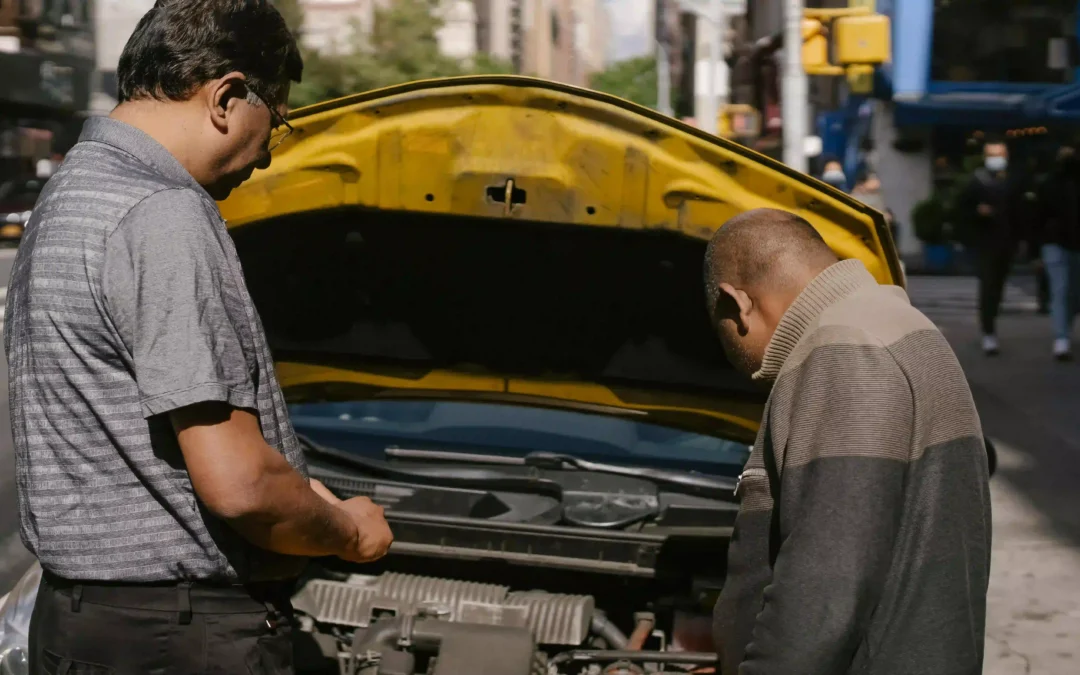
Finding out your car failed its safety inspection in Ontario is a massive headache. One minute, you think you just need a simple sticker, and the next, you are looking at a repair bill that might be worth more than the car itself. Whether you are selling your vehicle or just trying to keep it legal on the 401, that failed report is a major roadblock.
Is your car worth saving, or has it finally become a bottomless pit for your cash? This guide breaks down the math and the signs so you can stop guessing and start making the right move for your wallet.
Understanding the Ontario Safety Inspection Standards
In Ontario, a safety inspection is way more than a quick look under the hood. Licensed shops follow a strict checklist from the Ministry of Transportation. They look at your brake pad thickness, tire tread, and especially the structural health of your frame. If your floorboards have rust holes or your windshield has a crack right in your line of sight, you are not getting that certificate.
The point of this test is to make sure every vehicle is safe for everyone on the road. Remember, a safety certificate does not mean your car is perfect mechanically. It just means it isn’t a hazard. If you fail, the mechanic gives you a list of “reject” items. You typically get 10 days to fix these problems and come back for a re-inspection, often for a much lower fee.
Calculating Car Repair Costs vs Value
The real decision comes down to the dollars. You have to compare the repair quote to what your car is actually worth. A lot of people use the 50% rule. If the fixes cost more than half of the car’s market value, you are probably throwing good money after bad.
Think about it this way. If you have a 2012 sedan worth $3,000 but the shop wants $2,500 for suspension and brake work, you are overinvesting. You will never see that money again when you sell it. But if you have a newer SUV and just need $800 in tires to pass, it makes total sense to fix it. Always get a second quote if the first one feels too high.
Signs Your Car Is Ready for the Scrapyard
Sometimes the car itself tells you it is time to move on. There are certain “red flags” that mean a repair is just a temporary fix for a dying machine.
- Heavy Frame Rust: If the frame is rotting out, repairs are usually massive and don’t last long. Rust spreads like a disease.
- Bad Engine or Transmission: If you have major mechanical issues on top of safety failures, the total cost almost always kills the deal.
- Crazy High Mileage: A car with 300,000 kilometres is living on borrowed time. Spending thousands to keep it going is a huge gamble.
- Non-Stop Breakdowns: If you are calling a tow truck every other month, the safety failure is just the final sign to let it go.
Why Choosing Scrap Car Removal Makes Sense
When the repair list is too long and the costs are too high, many people in Ontario choose to walk away. Going with scrap car removal is often the quickest way to turn a problem into actual cash in your pocket.
- Free Towing: Most good scrap companies will come right to your house and haul the car away for zero cost.
- Cash on the Spot: You get paid immediately based on the metal weight and the value of parts like the catalytic converter.
- Instant Driveway Space: It gets that eyesore out of your life today, making room for a car that actually runs.
- Better for the Planet: Professional scrap yards recycle the fluids and metal the right way, so nothing toxic ends up in our soil.
- Easy Transfers: These services know the Ontario paperwork and will help you sign over the ownership without any confusion.
How to Officially Scrap a Car in Ontario
You can’t just dump a car and forget about it. There is a legal way to do it so you aren’t responsible for the vehicle down the line.
- Pull Your Plates: Never leave your license plates on the car. Take them to ServiceOntario to either cancel them or move them to a new vehicle.
- Sign the Green Paper: You need to sign the “vehicle portion” of your ownership document. This officially hands the car over to the buyer.
- Get Your Receipt: Always ask for a bill of sale. This is your proof that you don’t own the car anymore if a ticket ever comes in the mail.
- Tell the Ministry: It is always smart to let ServiceOntario know the car has been scrapped. It keeps your driving record clean.
Final Comparison: Repairing vs Scrapping
| Factor | Choose Repair If… | Choose Scrap If… |
|---|---|---|
| Repair Cost | Under 50% of the car’s value | Over 50% of the car value |
| Vehicle Age | Less than 10 years old | Over 15 years or very high kms |
| Safety Issues | Simple (bulbs, tires, pads) | Major (frame rot, steering rack) |
| Future Life | Will last 2+ more years | Will likely break again next month |
| Your Budget | You have the cash for fixes | You want cash for a new down payment |
Conclusion
Figuring out what to do with a car that failed a safety inspection depends on your budget and how much life is left in the vehicle. If the fixes are small, keep them. But if the rust is deep or the costs are soaring, it is smarter to take the cash and move on.
Scrap Car Buyer Toronto makes the whole process easy and gives you a fair price without the stress. Don’t let a failed inspection ruin your week. Give us a call today for a fast quote and turn that old ride into instant cash
Frequently Asked Questions
Q1. What happens if my car fails a safety inspection in Ontario?
If your car fails, the mechanic gives you a written list of “reject” items that need to be fixed. You typically have 10 days to complete the repairs and return for a re-inspection, usually at a reduced fee.
Q2. How do I know if I should repair or scrap my car after failing inspection?
Use the 50% rule – if your repair costs are more than 50% of your car’s current market value, scrapping is the smarter financial decision. For example, spending $2,500 to fix a car worth $3,000 rarely makes sense.
Q3. What are the most common reasons a car fails safety inspection in Ontario?
Common failures include worn brake pads, low tire tread, cracked windshields in the driver’s line of sight, frame rust, and structural damage. Ministry of Transportation inspectors follow a strict checklist covering all safety-critical components.
Q4. Does a safety certificate mean my car is in perfect condition?
No. A safety certificate only confirms the vehicle is not a road hazard — it does not mean the car is mechanically perfect. There could still be non-safety-related issues like a failing engine or transmission that inspectors do not flag.
Q5. What are the signs that a failed car is not worth repairing?
Key red flags include heavy frame rust, a bad engine or transmission, over 300,000 kilometres on the odometer, and frequent breakdowns requiring towing every month. When these issues stack on top of a safety failure, scrapping becomes the clear choice.
Q6. How does scrap car removal work in Ontario after a failed inspection?
Simply call a licensed scrap car removal company, get a quote based on your car’s weight and parts, agree on a price, and they come to your home for free towing. You get paid cash on the spot and sign over the ownership document, done in one visit.
Q7. Do I have to pay for towing when I scrap a car in Ontario?
No. Reputable scrap car removal companies include free towing as part of the deal. You should never pay a towing fee if a company tries to deduct it from your quote, that is a red flag.
Q8. What paperwork do I need to scrap a car in Ontario?
You need to remove your license plates, sign the vehicle portion of your ownership document (the green paper), and get a Bill of Sale or receipt from the buyer. It is also recommended to notify ServiceOntario that the vehicle has been scrapped to keep your driving record clean.
Q9. Can I scrap a car that failed a safety inspection without fixing it first?
Yes, absolutely. Scrap car buyers purchase vehicles in any condition — failed inspection, non-running, rusty, or missing parts. You do not need to repair anything before scrapping.
Q10. How much money can I get for scrapping a car that failed safety in Ontario?
The payout depends on your car’s weight, make, model, and the value of parts like the catalytic converter. Heavy vehicles like SUVs and trucks generally earn more. Most cars in Ontario fetch anywhere from a few hundred to over a thousand dollars depending on current scrap metal rates.
Related Posts

Best Way to Dispose of an Old Broken-Down Vehicle
The best way to dispose of an old broken-down vehicle is usually to sell it to a professional scrap car removal or auto recycling company that offers free towing, handles the ownership transfer, and pays you based on the vehicle’s scrap metal and reusable parts value. This is often the…
What are the Regulations for Scrapping Vehicles In Ontario?
Scrapping vehicles in Ontario falls under the Environmental Protection Act (O. Reg. 85/16), requiring end-of-life vehicle (ELV) sites to register via the Environmental Activity and Sector Registry (EASR) for activities like crushing or shredding. Owners must transfer ownership using the vehicle permit (pink slip), remove and return license plates to…
Can I Make More Money Taking a Scrap Car Apart Myself?
When a vehicle stops running or repair costs become too high, most owners start thinking about how to get some money back from it. One option is to sell the entire vehicle to a scrapyard. Another option is to take the car apart and sell the parts individually. At first…

Which is Better For Getting Rid Of My Car – Selling to A Junk Car Buyer, Listing it on a Marketplace, or Taking It To A Scrap Yard?
There comes a time for most car owners when it no longer makes financial sense to hold onto an aging vehicle. Repairs begin to stack up, rust adapts and the vehicle remains unused, still costing you insurance payments, space and towing. At that point, a lot of residents in Toronto…
Environmental Benefits of Scrapping Your Old Car in Toronto
An unused car parked at home may seem harmless. Yet few notice the hidden downside of leaving it idle. As days pass, dripping fluids seep into the ground beneath it. Over time, its battery leaks harmful substances. Parts made of rubber and metal wear away without anyone touching them. Slow…
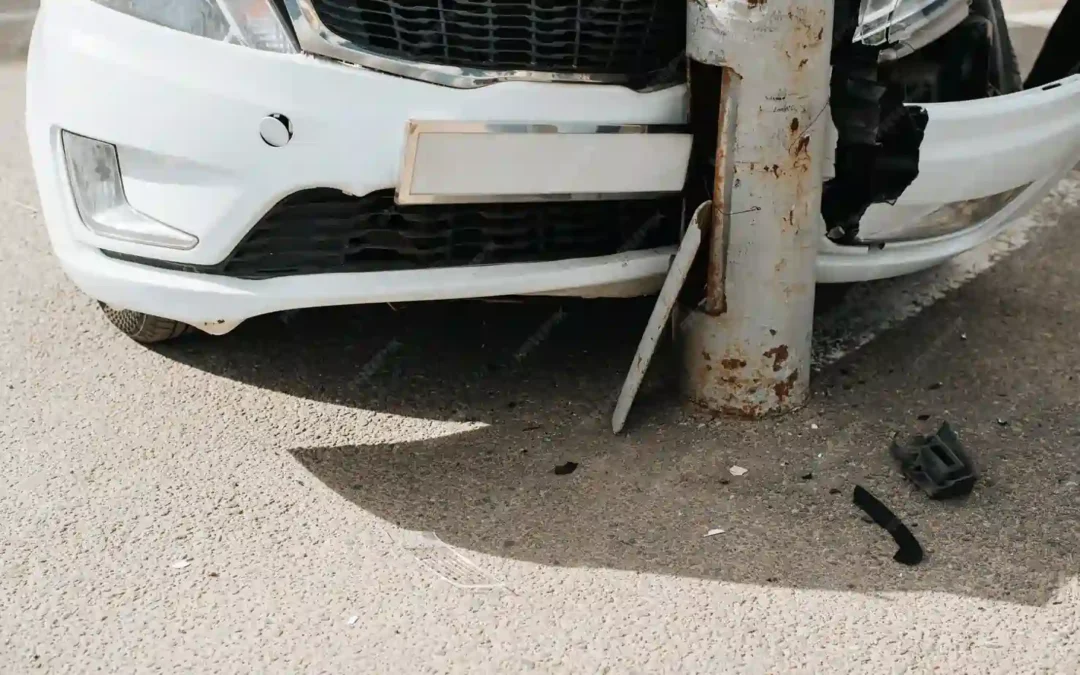
How to Scrap a Non-Running Car in Toronto (Even If It’s Not Towable)
A car that stops working completely can turn into a daily headache. It sits in your parking space, collects dust, and slowly becomes a burden. Many Toronto car owners delay the decision to scrap because they think removal will be complicated or expensive. This confusion often leads to wasted time…
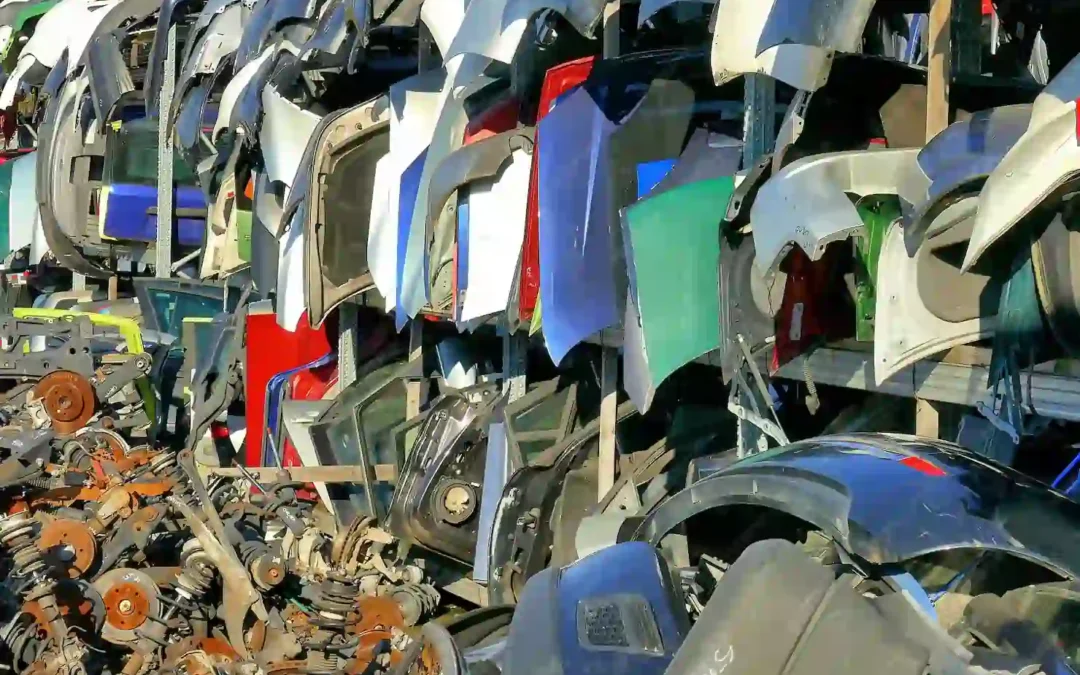
How to Handle Hazardous Materials when Scrapping a Car in Canada
Where it is crushed and shredded, hazardous materials must be removed before destruction. This process is known as vehicle depollution, involves a certified auto recycler draining engine oil, coolant, brake fluid, transmission fluid, and fuel; safely removing the car battery, tyres and refrigerants; and safely disposing of or neutralising airbags…

How to Scrap an Inherited Car in Ontario (Estate and Probate Basics)
TL;DR (Summary) Only the named executor or court-appointed estate trustee can legally scrap or sell an inherited car in Ontario Key documents needed: death certificate, vehicle ownership permit, will/probate proof, and executor ID Scrapping makes sense when repair costs exceed the car\'s value, or the estate needs quick asset…
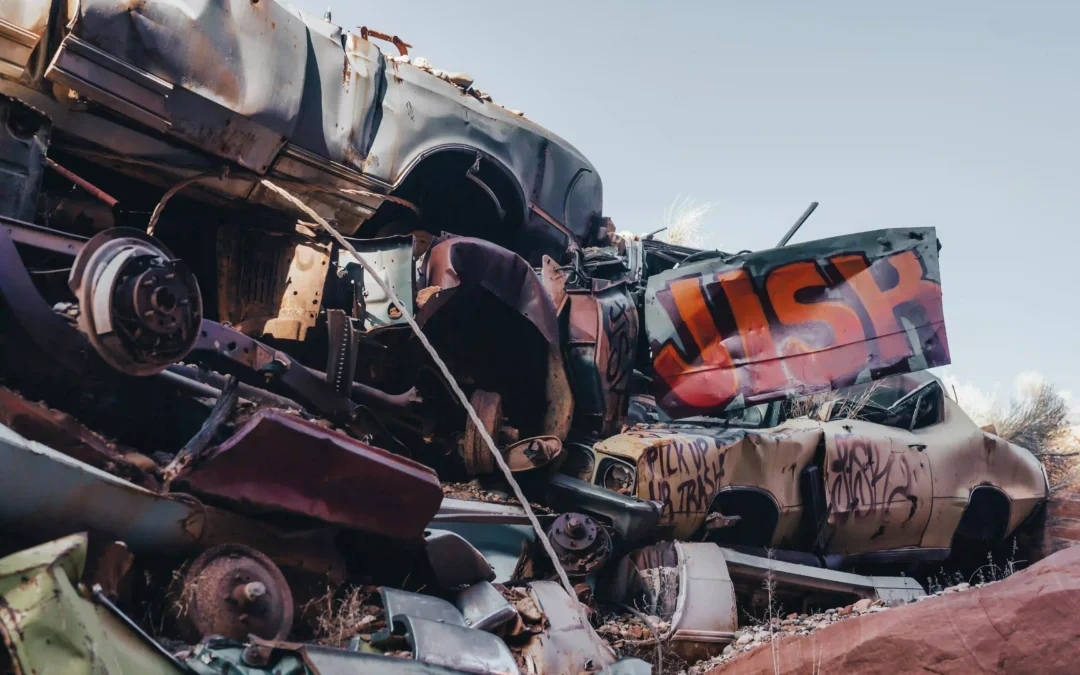
How to Choose the Best Scrap Car Removal Company in Toronto (Checklist)
Getting rid of an old vehicle that has reached the end of its life can feel like a huge weight on your shoulders. Maybe it is taking up space in your driveway, or the repair bills are finally costing more than the car itself. In a busy city like Toronto,…
How to remove a scrap car from private property legally?
The first thing you have to do for a legal scrap car removal from private property is through your local municipal bylaw office. For that, you need to: Confirm the vehicle is unauthorised: Before proceeding with any further step, it is crucial to ensure that the vehicle in question…