

Updated – 06-08-2026
The best way to dispose of an old, broken-down vehicle is usually to sell it to a professional scrap car removal or auto recycling company that offers free towing, handles the ownership transfer, and pays you based on the vehicle’s scrap metal and reusable parts value. This is often the fastest, safest, and most practical option for cars that no longer run, are too expensive to repair, or have been damaged beyond resale value.
Holding onto a non-running vehicle is more than a driveway eyesore — it’s a missed payout. According to the Automotive Recyclers of Canada, roughly 94-95% of the 1.2 million vehicles retired in Canada each year are collected and processed for recycling, with most of a car’s steel, aluminum, and parts recovered for reuse.
If you live in Toronto or the GTA, working with a local scrap car removal Toronto team makes the process faster, since pickup is quicker and the company already understands Ontario paperwork. Here’s the quick version, then the full breakdown below:
1. Decide if repair still makes financial sense (see below).
2. Compare your disposal options — scrap buyer, donation, trade-in, private sale, or parting it out.
3. Remove plates and personal items, and gather your ownership permit.
4. Get 2-3 quotes and confirm towing and payment terms in writing.
5. Hand off the vehicle and keep proof of the transfer for your records.
When Should You Stop Spending on Repairs?
Every car owner hits a crossroads where they have to decide if one more trip to the mechanic is worth it. If fixing the transmission or the head gasket costs more than 60% of what the car is worth, you are likely throwing good money after bad. Beyond the numbers, think about reliability. If you can no longer trust your vehicle to keep your family safe on the highway, it is time to look into disposal options rather than another temporary fix.
Your Best Options For A Quick And Clean Exit
Not every vehicle should be handled the same way. The best disposal method depends on the vehicle’s condition, how quickly you want it removed, and whether your priority is convenience, maximum cash value, or charitable donation. You don’t have to settle for the first junkyard you find. There are several ways to handle a vehicle that no longer moves:
| Method | Speed | Typical Payout | Paperwork Effort | Best For |
|---|---|---|---|---|
| Professional scrap buyer | Same day / 24-48 hrs | Fair market scrap value, often highest for non-running cars | Low — buyer usually handles transfer | Cars that don’t run or aren’t worth repairing |
| Private sale | 1-4 weeks | Highest possible, if the car still runs | High — you handle listing, showings, transfer, and your own bill of sale | Cars in decent working condition |
| Trade-in at dealership | Same day (with new purchase) | Lowest of all options for broken-down cars | Low — dealer handles it | Buyers replacing the vehicle anyway |
| Donate to charity | 3-7 days | No cash, but a tax receipt | Low — charity usually arranges pickup | Owners who want a tax deduction, not cash |
| Part it out yourself | Weeks to months | Highest per-part, but slow and labor-heavy | High — you sell parts individually, then still pay to remove the shell | Mechanically inclined owners with storage space and time |
A scrap buyer is the right fit for most broken-down vehicles, and you can confirm yours is eligible in this list of vehicle types scrap car buyers buy in Toronto.
What Actually Gives a Broken-Down Car Its Value
Scrap car buyers typically weigh:
- Make, model, and year
- Vehicle weight
- Whether the car is complete or missing major parts
- Condition of the catalytic converter
- Tire, battery, and rim condition
- Extent of accident, rust, flood, or fire damage
- Current scrap metal market prices
- Pickup location and towing distance
Real example: A 2011 Honda Civic with a blown engine and 180,000 km typically nets $250-$450 in the GTA scrap market — the payout comes mostly from steel weight and the catalytic converter, not the (non-functioning) engine. A similar-year Ford F-150 with the same issue often nets $600-$900, because trucks weigh more and carry more recoverable steel.
If your vehicle won’t start at all, how much you can get for a car that doesn’t start depends mostly on weight, completeness, and the catalytic converter, not on the dead engine
Because these factors vary by vehicle, comparing 2-3 offers is the best way to confirm you’re getting a fair price.
What to Do Before the Vehicle Is Picked Up
Preparing the vehicle properly helps the process go more smoothly and reduces the chances of problems after pickup.
Before disposal:
- Remove all personal belongings from the cabin, trunk, glove box, and storage compartments.
- Take off the licence plates.
- Gather your ownership documents.
- Ask the buyer how payment will be made.
- Confirm whether towing is included in the quoted price.
- Clarify how the transfer or sale record will be handled.
Take off the licence plates — a Phillips or Robertson screwdriver handles most Ontario plate screws. If they’re rusted on, see our full guide on removing plates before a scrap pickup for tips on stuck screws.
These small steps help ensure the car leaves your possession cleanly and with fewer loose ends.
Ontario Paperwork and Ownership Details
If you are disposing of a vehicle in Ontario, paperwork matters. In most cases, you should have the vehicle ownership permit available and be ready to complete the transfer details required for the sale.
For the exact paperwork sequence, see our guide on how to legally transfer ownership of a scrap vehicle in Ontario
Pro Tip: Remove your license plates before the tow truck arrives. Check with ServiceOntario on any registration or plate updates that may still be required. This protects you from any future tickets or liabilities associated with that VIN.
Do I need a UVIP to scrap my car? No. A Used Vehicle Information Package is required when you sell a car privately for someone else to drive, but it is generally not required when you sell to a licensed scrap buyer or auto recycler, since the vehicle isn’t being re-registered. For the complete document checklist, see the regulations for scrapping vehicles in Ontario.
What is a Certificate of Destruction? It’s a document issued by a licensed recycler confirming your vehicle was permanently dismantled or crushed. It’s not always mandatory, but it’s worth keeping for your records — it’s your proof the vehicle is no longer legally yours.
What is an End-of-Life Vehicle (ELV)? In Ontario, this is the official term for a vehicle that has reached the end of its useful life and is being sent for recycling or disposal rather than resale.
Before the tow truck arrives, it’s also worth learning how to deregister your vehicle before disposal so you’re not billed for plate renewals on a car you no longer own.
Also Read: What VIN details are required for an accurate scrap value quote?
Dealing With The Paperwork Without The Headache
One of the biggest hurdles is the legal side. To ensure you are no longer liable for the vehicle, you must have your ownership papers ready. In Ontario, you need to sign the back of the vehicle portion of your permit to transfer it to the buyer.
Once the ownership transfer is signed, the last item on your checklist is contacting your insurer — our guide on how to cancel your car insurance after scrapping your car in Ontario walks through the refund process and exact timing.
How to Choose the Best Junk and Scrap Car Removal Service
Not every company offers the same level of service. The best buyer is not always the one with the loudest claim, but the one that combines fair pricing with a clear process.
Look for a company that offers:
- Clear quotes with no surprise deductions.
- Free towing if advertised.
- Payment at pickup.
- Help explaining paperwork.
- Flexible pickup times.
- Professional communication.
It is also a good sign when the company explains how pricing works rather than making vague promises.
Also Read: What are the top companies to sell a scrap car in Canada?
How to Spot a Scrap Car Scam
Most scrap buyers are legitimate, but a few common tricks catch owners off guard:
- Bait-and-switch pricing — a high quote over the phone that mysteriously drops once the tow truck arrives.
- “Free towing” that isn’t free — the towing fee gets quietly subtracted from your payout instead.
- No paperwork, no problem? — a legitimate buyer will always want your ownership permit; if they don’t ask for it, that’s a red flag, not a shortcut.
These are just the most common issues — see the full 15 red flags of an unreliable car removal company before you commit to a buyer.
How To Get The Most Cash For Your Junk Car
To get a fair deal, treat the sale of a scrap car with the same logic as a working one. Call a few local buyers to compare. A transparent business will give you a guaranteed price that covers everything from the pickup to the final payment.
| Feature | What to Look For |
|---|---|
| Towing | Should be 100% free with no hidden deductions |
| Payment | Cash or e-transfer should happen at the time of pickup |
| Paperwork | The buyer should help you with the transfer of ownership |
Also Read: What Factors Affect The Price Offered For a Junk Car?
Ready To Clear Your Driveway?
The best way to dispose of an old broken-down vehicle depends on its condition, your timeline, and whether you value convenience, maximum return, or donation. For most non-running vehicles, selling to a scrap car buyer or auto recycler is the simplest option because it combines removal, recycling, and payment in one process.
Leaving a broken-down car to sit only leads to rust and potential fines from your city. The easiest way to handle the situation is to pass the job to the experts. If you are in the GTA and want a fair price with zero stress, reaching out to Scrap Car Buyer Toronto is your best move.
We handle the towing and the paperwork so you get paid on the spot. It is the fastest way to turn that old car into cash today.
Frequently Asked Questions
Q1. What is the best way to dispose of an old broken-down vehicle?
The best way to dispose of an old broken-down vehicle is usually to sell it to a professional scrap car removal or auto recycling company. They typically offer free towing, pay you based on the vehicle’s weight and reusable parts, and help with ownership transfer. This makes the process faster, safer, and easier than trying to store, repair, or sell the vehicle privately.
Q2. Should I scrap my car or keep repairing it?
You should usually consider scrapping your car when repair costs are higher than the vehicle’s remaining value, or when the car is no longer reliable or safe to drive. If major repairs like engine, transmission, or head gasket work keep adding up, selling it to a scrap buyer can be the more practical and cost-effective decision.
Q3. How do scrap car buyers decide how much my broken-down car is worth?
Scrap car buyers usually calculate value based on the make, model, year, vehicle weight, condition, and whether important parts are still present. They may also consider the catalytic converter, battery, rims, tires, and the current market price for scrap metal. Pickup distance and towing logistics can also affect the final quote.
Q4. What do I need to do before a scrap car company picks up my vehicle?
Before pickup, remove your personal belongings, take off the licence plates, gather your ownership documents, and confirm how payment and towing will work. It is also smart to ask how the transfer of ownership will be handled. These steps help protect you from future liability and make the disposal process smoother.
Q5. What paperwork do I need to scrap a car in Ontario?
In Ontario, you generally need your vehicle ownership permit and must complete the transfer details when selling the car. You should also remove your licence plates before the vehicle is towed away. Since requirements can vary by situation, it is wise to confirm the latest paperwork steps with ServiceOntario or ask the buyer to explain the process clearly.
Q6. Can I throw car parts in the trash?
No. Car parts like batteries, tires, fluids, and airbags count as hazardous or restricted waste in Ontario and can’t go in regular curbside trash. A licensed scrap buyer or recycler will dispose of these safely as part of the pickup — see our guide on handling hazardous materials when scrapping a car for what’s restricted and why.
Q7. Do I need a UVIP to scrap a car in Ontario?
Generally, no. A UVIP is required for private used-car sales, but not when selling to a licensed scrap or recycling buyer, since the vehicle is being retired rather than re-registered to a new driver.
Q8. What happens to a car after it's scrapped?
It’s drained of fluids, stripped of reusable parts and hazardous materials, then crushed or shredded so the steel and metals can be recycled. For the full step-by-step, read what happens to cars recycled at a junkyard.
Related Posts

Sworn Statement for Vehicle Transfer in Ontario: Full Guide
Table of Contents Which Sworn Statement Do You Need? (1157E vs. 1155E) Who Qualifies for a Tax-Free Family Gift Documents to Bring to ServiceOntario How to Transfer Ownership of a Car in Ontario: Step by Step How to Sign Over Ownership of a Car (Donor Checklist) How to Fill Out…
Buying a Salvage Title Car in Ontario: Risks, Costs & Red Flags
Table of Contents What Is a Salvage Title on a Car? Ontario\'s Vehicle Brands: Salvage vs. Rebuilt vs. Irreparable Why a Car Gets Branded Salvage in the First Place Going From Salvage to Rebuilt: The Ontario Process Where Salvage Title Cars Come From: Auctions in Ontario The Real Risks of…
Title Jumping in Ontario: What Every Car Seller Needs to Know
Table of Contents What Is Title Jumping? Is Title Jumping Illegal? Is It a Crime? How to Properly Transfer Car Ownership in Ontario What Happens If You Don\'t Transfer Ownership If the Seller Won\'t Transfer the Title How to Report Suspected Title Jumping or Fraud How to Avoid Title Jumping…
Vehicle Bill of Sale Ontario: Why It’s Important & How to Get One
Table of Contents What Is a Vehicle Bill of Sale? Why a Bill of Sale Is So Important in Ontario Ontario\'s Legal Requirements Where to Get a Bill of Sale in Ontario How to Write a Bill of Sale for a Vehicle Bill of Sale vs. Car Sale Purchase Agreement…
The Certificate of Destruction: Your Legal Proof When a Car Is Scrapped
Table of Contents What is a certificate of destruction? Why Do You Need a Certificate of Destruction? Certificate of Destruction in Ontario: RPRA vs. EASR Do I Need a Certificate of Destruction to Scrap My Car in Ontario? What Documents Do I Need to Scrap My Car in Canada? What…

Free Ontario Used Vehicle Bill of Sale Template (2026)
Table of Contents What Is a Bill of Sale, and Do You Actually Need One in Ontario? What has to be on a Used Vehicle Bill of Sale As-Is vs. Certified - Which Box Do You Check? How to Fill Out a Used Vehicle Bill of Sale Not Selling Privately?…
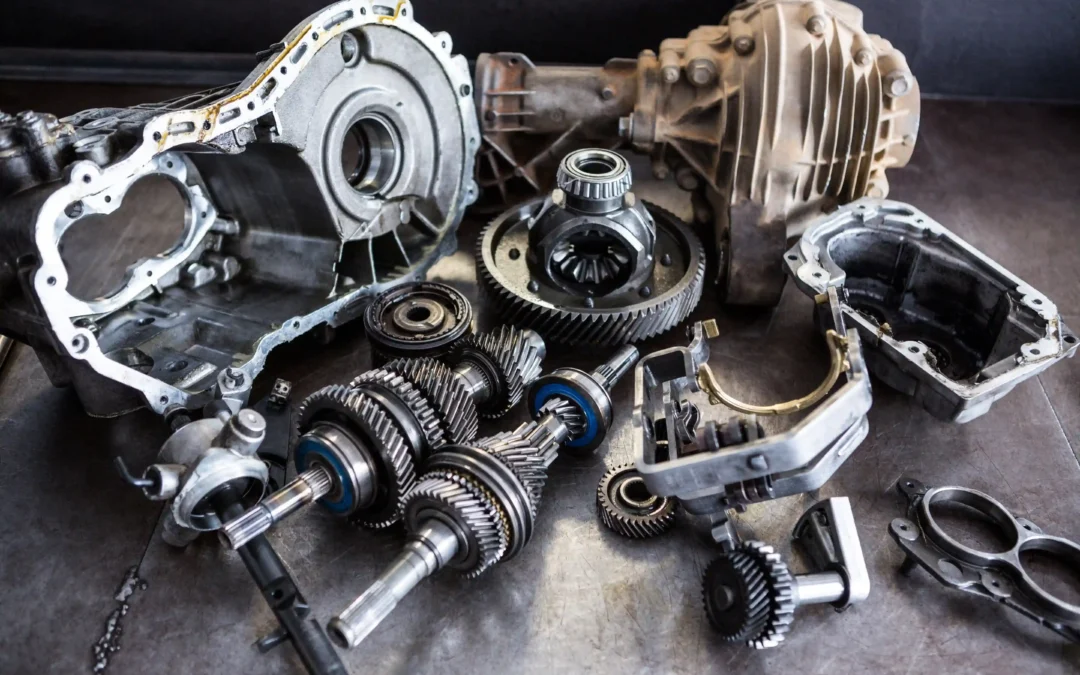
What Is a Scrap Transmission Worth in Canada?
Table of Contents How Much Is a Transmission Worth for Scrap in Toronto? Scrap Transmission Price Per Pound in Ontario Aluminum vs. Steel Transmission Scrap Price Automatic vs. Manual vs. CVT Scrap Value How Much Do Transmissions Weigh? Scrap Value vs. Transmission Cost What Affects the Price? Where to Sell…
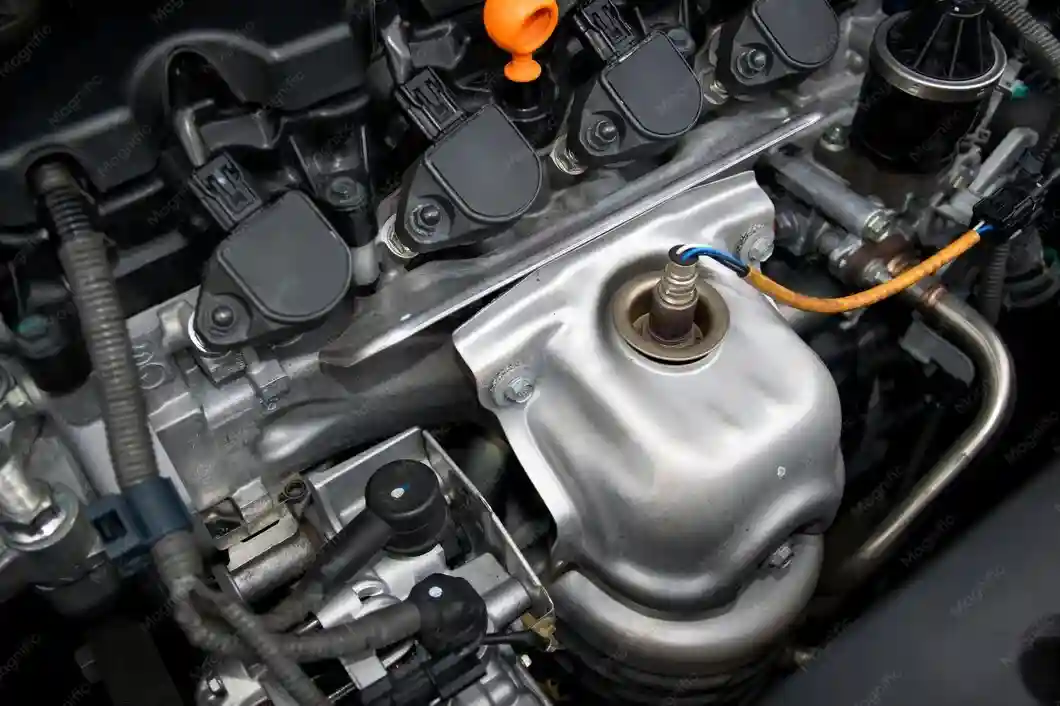
What Is an Electric Motor from a Scrap Car Worth in Canada?
Table of Contents How Much Is an Electric Motor from a Scrap Car Worth Right Now? Car With a Blown Motor vs. Selling Electric Parts Separately What Actually Drives Electric Motor Scrap Prices Electric Motors Found in a Car — and What Each One Is Worth Who\'s Asking This, and…
Catalytic Converter Theft Is Hitting Toronto Hard — What to Do If Yours Is Targeted
Table of Contents Why Toronto Is a Hotspot for Catalytic Converter Theft How to Tell If Your Catalytic Converter Was Stolen Will your car start if someone steals your catalytic converter? What should I do if someone steals my catalytic converter? Why Catalytic Converters Are Stolen (And What Thieves Do…

Where to find customer reviews for scrap car parts retailers in Canada?
Table of Contents Why Review Research Matters Before You Sell to a Scrap Yard Best Websites to Read Scrap Yard Reviews Are Google Reviews Reliable for Auto Salvage Yards? Is BBB Good for Checking Scrap Car Buyers? How Do I Know If a Scrap Yard Is Legit? What to Look…