

To scrap a junk car in Toronto and get paid, you need valid ownership documents, a licensed recycler, and the process typically takes under 24 hours. Ontario’s auto recycling industry processes hundreds of thousands of end-of-life vehicles annually, making scrap car removal one of the most accessible ways to recover value from a non-running vehicle. Licensed scrap buyers typically pay $200–$800 depending on vehicle weight and condition depending on current steel prices and vehicle weight, and free towing is included in most offers.
The five steps are straightforward: assess whether repair costs exceed the car’s value, gather your ownership permit and photo ID, remove personal belongings and license plates (which belong to you in Ontario, not the vehicle), and schedule pickup. Most licensed scrap buyers in Toronto include free towing and complete payment on the spot when collecting the vehicle.
5 Steps to Scrap a Junk Car and Get Paid in Toronto
Step 1 - Confirm the Vehicle Is Ready for Scrapping
Start by assessing whether the car is worth repairing. Vehicles with severe accident damage, engine failure, or heavy rust usually cost far more to fix than their market value. In Toronto, many owners choose to scrap older vehicles once maintenance costs become unreasonable, if repair costs exceed 70–80% of the vehicle’s worth, scrapping is almost always the more rational financial decision.
Vehicles with these conditions consistently qualify for scrap in Toronto:
- Engine failure or seized motor
- Transmission failure
- Severe accident damage or frame damage
- Extensive structural rust
- Flood or fire damage
- Failed emissions test with repair costs exceeding vehicle value
You do not need the car to run. Licensed Toronto scrap buyers collect non-running vehicles as standard service, with towing included
Step 2 - Prepare the Required Ownership Documents
Before selling the vehicle, gather the ownership permit and a valid photo identification. Scrap buyers need proof that you legally own the vehicle. Having these documents ready helps complete the transaction quickly when the recycler arrives to collect the car.
Ontario law requires proof of legal ownership before any licensed recycler can accept a vehicle. You will need:
- Vehicle Ownership Permit (the pink slip issued by the Ministry of Transportation Ontario) – both portions if applicable
- Valid government-issued photo ID matching the name on the ownership permit
If you have lost your ownership permit: You can obtain a replacement at any ServiceOntario location. Bring your photo ID and the vehicle identification number (VIN). Replacement permits are issued the same day in most locations.
Also Read: What VIN details are required for an accurate scrap value quote?
If the vehicle is in a deceased person’s name, you will need to provide a copy of the death certificate and proof of estate authority (letters probate or letters of administration) before the transfer can proceed, including understanding what CRA reporting applies when you sell a junk car. Contact a licensed recycler first — many have handled this process and can guide you through the required paperwork.
If there is a lien or outstanding loan on the vehicle: You cannot legally scrap the car without the lender’s written consent. Contact your lender, obtain a lien release or written authorization, and confirm the loan account is closed before proceeding. Scrapping a financed vehicle without lender consent is a legal violation in Ontario.
Step 3 - Check the Car for Personal Belongings
Before the recycler arrives, complete three tasks:
Personal Belongings: Check the glove box, centre console, door pockets, trunk, under seats, and the spare tire compartment. Ontario recyclers are not legally responsible for personal items left in the vehicle after it enters the processing facility. Retrieval after processing begins is not possible.
License Plates: In Ontario, license plates belong to the registered owner, not the vehicle. Remove them before pickup. You have two options:
- Return them to any ServiceOntario location to cancel your registration and stop insurance billing
- Transfer them to a replacement vehicle when you register it
Also Read: Why Remove License Plates Before Scrapping a Car in Ontario?
Valuable Parts (Optional): If you choose to remove the catalytic converter, alloy wheels, stereo, or battery before pickup, inform your buyer in advance, as this affects their offer. Do not remove parts and then quote the car as complete, this is the most common cause of lowball offers at the door.
Step 4 - Get Multiple Quotes and Evaluate Buyers
Contact at least two or three licensed buyers before committing. The spread in offers for the same vehicle in Toronto can range from $150 to $400 between buyers. When calling, have ready:
- Year, make, model, and trim level
- Approximate mileage
- Honest description of damage or mechanical condition
- Whether the car is complete (all major parts present)
- Your postal code (affects towing logistics and some buyers’ offers)
Questions to ask every buyer before accepting:
- Is your business registered with the Ontario Association of Registered Auto Recyclers (OARA)?
- Is towing included in the quoted price, or is it deducted at pickup?
- Will the offer change at pickup from the phone quote, and under what conditions?
- Do you provide a receipt or bill of sale?
Also Read: What are the top companies to sell a scrap car in Canada?
Step 5 - Schedule Pickup and Receive Payment
Once you accept an offer, confirm:
- Pickup window (most Toronto buyers offer same-day or next-day service)
- Payment method (cash is standard; e-transfer is offered by some buyers)
- Whether you need to be present
At pickup, the driver will review the vehicle, confirm it matches the description given over the phone, complete the paperwork, and transfer payment. Do not hand over your keys until you have payment in hand. If the offer changes materially at the door without a valid reason (such as a genuinely missing component you did not disclose), you are entitled to refuse the pickup and contact another buyer.
After receiving payment, many sellers also ask: do I need to report a junk-car sale in Canada?
After Pickup: The Ontario Post-Sale Legal Checklist
There are three legal steps every Ontario seller must complete after the vehicle is collected.
- Return Your License Plates to ServiceOntario
If you are not transferring the plates to another vehicle, return them to any ServiceOntario location. This formally closes your vehicle registration. Failing to do this can result in continued insurance billing and, in some cases, liability if the recycler uses an incomplete ownership process and your plates appear on another vehicle.
Also Read: Lost, Stolen or Damaged Licence Plate in Ontario? Here’s Exactly What to Do Next
- Cancel or Adjust Your Auto Insurance
Contact your insurer the same day the vehicle is picked up. Request a cancellation effective as of the pickup date. Depending on where you are in your policy period, you may be entitled to a partial premium refund. If you are replacing the vehicle, ask your insurer to transfer coverage rather than cancel; this typically preserves your claims history and discount status.
Also Read: How to Cancel Your Car Insurance After Scrapping Your Car in Ontario?
- Notify the Ministry of Transportation Ontario (MTO)
While the licensed recycler is responsible for initiating the ownership transfer, it is in your interest to confirm the transfer has been processed. You can verify the vehicle’s registration status online through the ServiceOntario portal using the VIN. If your name still appears as registered owner 30 days after the sale, contact the recycler and request confirmation of the MTO notification.
Why Choose a Licensed Toronto Scrap Car Buyer?
Working with a licensed, OARA-registered recycler protects you in three specific ways that an unlicensed cash buyer cannot match:
- Legal ownership transfer: A registered recycler notifies the MTO, formally removing your name from the vehicle record
- Environmental compliance: Licensed facilities process fluids, batteries, and hazardous materials under Ontario’s environmental regulations, protecting you from liability associated with improper disposal
- Paper trail: You receive a bill of sale and transaction receipt that documents the sale date, vehicle details, and agreed price your protection against any future claims tied to the vehicle
Scrap Car Buyer Toronto operates as a licensed scrap vehicle buyer serving the Greater Toronto Area. Every pickup includes free towing, same-day availability in most cases, and on-the-spot payment. You can confirm our licensing credentials before booking.
Frequently Asked Questions
Q1. How much do scrap car buyers pay in Toronto in 2026?
Most Toronto scrap buyers pay between $200 and $800 for a standard passenger vehicle. SUVs and trucks generally fetch more due to higher vehicle weight, which translates directly to more scrap steel. Offers vary based on vehicle completeness, the condition of high-value components like the catalytic converter, and current scrap steel commodity prices. Getting two or three quotes before accepting ensures you receive a competitive offer.
Q2. Can I scrap a car without the ownership permit in Ontario?
You cannot legally complete a scrap car sale without proof of ownership in Ontario. If you have lost your ownership permit, visit any ServiceOntario location with your photo ID and your vehicle’s VIN. Replacement permits are typically issued the same day. No licensed recycler should accept a vehicle without proper ownership documentation, if a buyer offers to proceed without it, that is a sign of an unlicensed operation
Q3. How do I verify a scrap buyer is licensed in Ontario?
Search the Ontario Association of Registered Auto Recyclers (OARA) member directory at oara.com, or check the provincial Environmental Activity and Sector Registry (EASR) for MECP-licensed facilities. Ask the buyer directly for their OARA membership or facility registration number. A legitimate operation will provide this without hesitation.
Q4. How long does scrap car pickup take in Toronto?
Most licensed Toronto scrap buyers offer same-day or next-day pickup after you accept a quote. The actual collection including paperwork, vehicle loading, and payment takes 20 to 45 minutes depending on the vehicle’s location and condition. Towing is included in virtually all Toronto scrap car offers.
Q5. What happens if I forget to cancel my insurance after scrapping my car?
Your insurer will continue billing you until you formally cancel the policy or the renewal date passes. In Ontario, you are entitled to a refund for the unused portion of a prepaid premium. Contact your insurer the same day as pickup, provide the date of sale, and request a cancellation or pro-rated refund. Do not wait, insurance companies are not obligated to backdate cancellations beyond a few days in most cases.
Q6. Can I scrap a car that has a lien or outstanding loan on it?
No. In Ontario, a vehicle with an active lien cannot be legally transferred or scrapped without written consent from the lender. Contact your financing company, confirm the payoff amount, and obtain a lien release or written authorization before contacting scrap buyers. Scrapping a financed vehicle without lender consent exposes you to serious legal liability.
Q7. What if the scrap buyer lowers the offer at pickup?
You are not obligated to accept. If the buyer’s reason for reducing the offer is not directly tied to a condition you misdescribed, decline and contact another buyer. Document the company name, the original quote, the revised amount, and the stated reason. Repeat lowballing at the door can be reported to OARA, the BBB, and the Ontario Ministry of Consumer Services.
Related Posts
Catalytic Converter Theft Is Hitting Toronto Hard — What to Do If Yours Is Targeted
Table of Contents Why Toronto Is a Hotspot for Catalytic Converter Theft How to Tell If Your Catalytic Converter Was Stolen Will your car start if someone steals your catalytic converter? What should I do if someone steals my catalytic converter? Why Catalytic Converters Are Stolen (And What Thieves Do…

Where to find customer reviews for scrap car parts retailers in Canada?
Table of Contents Why Review Research Matters Before You Sell to a Scrap Yard Best Websites to Read Scrap Yard Reviews Are Google Reviews Reliable for Auto Salvage Yards? Is BBB Good for Checking Scrap Car Buyers? How Do I Know If a Scrap Yard Is Legit? What to Look…
The “Bait-and-Switch” Scrap Car Scam Costing Toronto Drivers Hundreds
Table of Contents What Is a Bait-and-Switch Scrap Car Scam? How It Actually Plays Out Why the Price Drops on Arrival Is It Legal for a Buyer to Change the Price at Pickup? Licensed vs. Unlicensed Scrap Car Buyer in Toronto What Actually Determines a Fair Scrap Value Signs of…
Are there specific requirements for scrapping a larger commercial vehicle?
Table of Contents What Counts as a \"Larger Commercial Vehicle\" in Ontario? Requirements for Scrapping a Commercial Vehicle How to Scrap a Commercial Vehicle in Ontario: Step by Step Documents Needed to Scrap a Commercial Vehicle Difference Between Scrapping a Car and a Commercial Vehicle Can a Business Scrap a…
How Scrap Car Prices Change With Metal Market Swings
Table of Contents Why Scrap Car Prices Rise and Fall Week to Week Ferrous vs. Non-Ferrous: Two Completely Different Pricing Systems The Catalytic Converter Wildcard Battery Metals and Your Scrap Offer How Ontario Reacts to Global Metal Shortages Why Toronto Rates Can Beat the Rest of Ontario Why Two Similar…
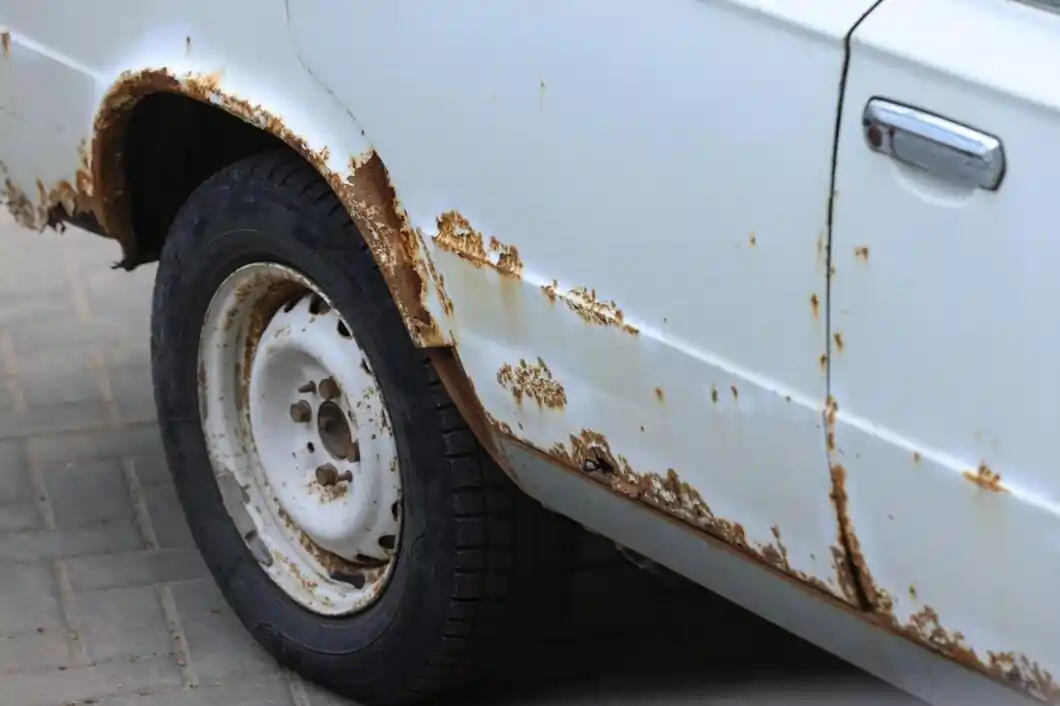
Why Ontario Cars Rust Out Faster: Road Salt and When to Scrap
Table of Contents Why Do Ontario Cars Rust Faster Than Other Provinces? How Does Road Salt Cause Rust? Calcium Chloride vs Sodium Chloride Car Damage Why Does Rust Start on the Underside of a Car? Surface Rust vs Structural Rust: How to Tell Them Apart Ontario Car Rust: Key Facts…
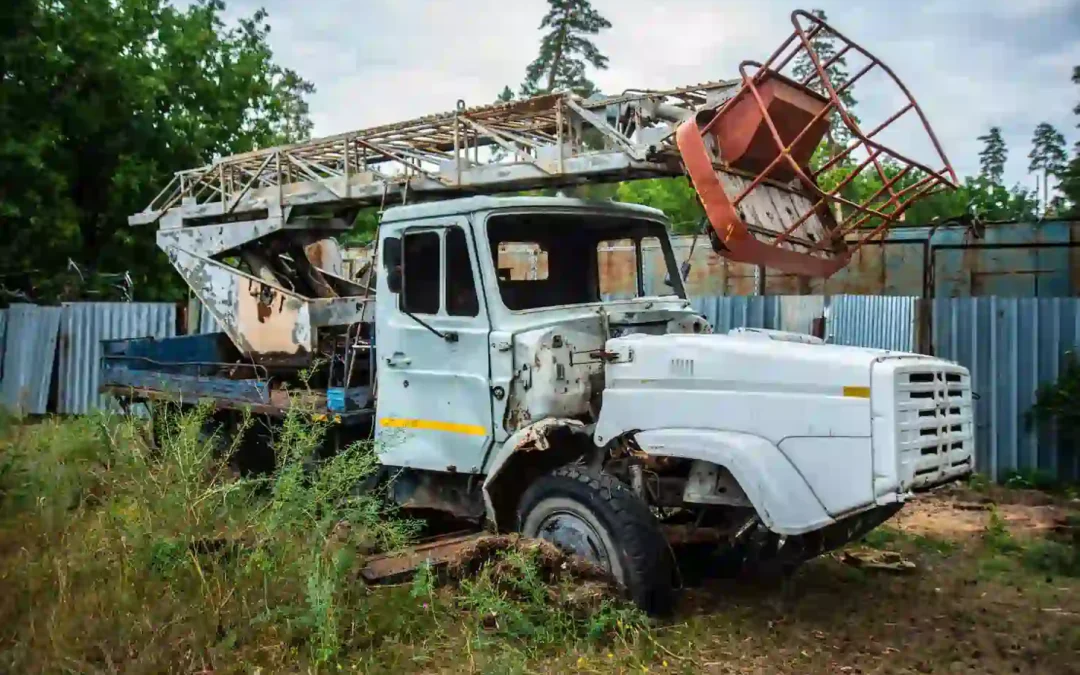
What Types of Vehicles Do Scrap Car Buyers Buy in Toronto?
Table of Contents Passenger Cars: Sedans, Hatchbacks & Coupes SUVs, Crossovers & Minivans Pickup Trucks & Light-Duty Trucks Commercial, Fleet & Heavy-Duty Vehicles Motorcycles, ATVs & Powersports Damaged, Non-Running & Salvage/Write-Off Vehicles Electric & Hybrid Vehicles: A Growing Category What Scrap Yards Typically Won\'t Take Vehicle Types Accepted — Quick…

What Are the Signs It Is Time to Scrap Your Car?
Table of Contents Introduction Sign #1 — When Car Repair Costs More Than Value in Ontario Sign #2 — High Mileage Beyond Practical Use Sign #3 - Declining Resale Value Sign #4 — Repeated and Cascading Breakdowns Sign #5 — Car Failing Ontario\'s Safety Standards Certificate Sign #6 — Structural…
Can I scrap a car with a lien in Ontario?
Table of Contents What Is a Lien on a Car? How to Check If Your Car Has a Lien in Ontario? Can You Scrap a Car with a Lien on It? The Legal Reality What Is a PPSA Lien on a Car in Ontario? What Happens If You Scrap a…
Lost, Stolen or Damaged Licence Plate in Ontario? Here’s Exactly What to Do Next
Table of Contents Why Number Plate Theft and Loss Happens — and Why It Matters Lost License Plate Ontario: Your Step-by-Step Checklist Stolen Licence Plate Ontario: What to Do the Moment You Notice Damaged License Plate Replacement: What Qualifies and What to Do How to Replace a Licence Plate at…