
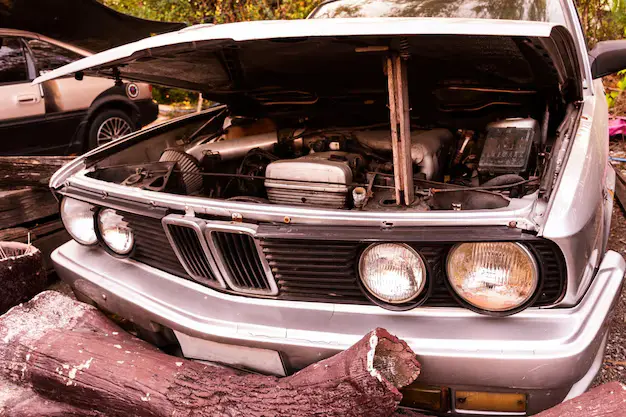
In Toronto, a car that doesn’t start is worth $300 to $1,400 or more in scrap value, paid in cash, with free towing included. Licensed scrap car buyers across Toronto purchase non-running vehicles every day, because their revenue comes from steel weight, salvageable parts, and live metal market rates, not from whether the engine turns over. According to the industry data and reports, approximately 550,000 to 600,000 end-of-life vehicles (ELVs) are processed in Ontario annually, with scrap metal recovery being the primary driver of buyer payouts. A full-size pickup truck like a Ford F-150 or Dodge Ram that refuses to start can still fetch $700 to $1,400 based on its steel tonnage and intact components such as the catalytic converter, alternator, and transmission. A compact sedan like a Honda Civic in the same non-running condition typically brings $300 to $600 proving the vehicle’s size matters far more than its mechanical state. If your car has been sitting dead on your driveway, the practical steps are straightforward: get a quote, confirm pickup, hand over your ownership document, and collect cash on the spot.
If you have a non-running car taking up space, this guide will tell you exactly what it is worth, what affects the price, and how to get paid for it without complications.
Can You Actually Sell a Car That Doesn't Start?
Yes, and this is worth stating clearly before anything else.
Scrap yards and auto recyclers are not buying vehicles to drive them. They purchase vehicles for the steel, aluminum, copper wiring, catalytic converter, and any parts that still hold resale value. If you are unsure whether Ontario scrap yards buy non-running cars, this guide walks through which buyers accept dead vehicles and how their offers are calculated. Whether the engine runs or not has very little bearing on that calculation.
Toronto has a well-established market for non-running vehicles. As long as you hold valid ownership documents for the car, licensed buyers will take it and pay you for it, even if it has been sitting idle for years.
What Determines the Value of a Non-Running Car in Toronto?
The price a buyer offers depends on several factors. Understanding each one helps you set realistic expectations before making a call:
1. Vehicle Weight and Size
Weight is the single most important factor in scrap pricing. Scrap buyers pay per unit of metal, so a heavier vehicle earns more. A full-size truck or SUV contains considerably more steel than a compact sedan, and that difference shows up directly in the offer.
A small car like a Honda Civic or Toyota Corolla typically brings between $300 and $600. A larger vehicle, such as a Ford Explorer, Dodge Ram, or Chevy Silverado, can bring anywhere from $700 to $1,400 or more, depending on market conditions.
2. Scrap Metal Prices on the Day of Sale
Steel and aluminum prices on the commodities market shift regularly. When metal prices are strong, scrap car offers in Toronto go up. When prices dip, offers follow. Toronto buyers quote based on live market rates, which is why two sellers with identical vehicles can receive different amounts depending on when they sell. Demand changes through the year as well, and our guide on when to sell a junk car in Toronto shows why spring usually brings the strongest offers
3. Which Parts Are Still Attached to the Car
An intact vehicle is worth more than one that has been partially stripped. Buyers check for the presence of key components:
- Catalytic converter (can add $50 to $300 or more on its own)
As of early 2026, OEM catalytic converters from common Toronto vehicles recover between $80 and $500+ in precious metal value (platinum, palladium, and rhodium), according to ScrapMonster’s live pricing index. Luxury and hybrid vehicles like a Toyota Prius can yield significantly more due to higher rhodium content. This single component can represent 20–40% of a compact car’s total scrap offer. - Battery
- Alternator
- Transmission
- Wheels and tires
- Doors, hood, and body panels in reasonable condition
- Electronic control modules
Also Read: What are the most expensive parts of a scrap car?
4. Year, Make, and Model
Certain brands hold stronger parts demand even in non-running conditions. Honda, Toyota, Ford, and GM vehicles tend to hold their scrap value well because used parts from these brands move quickly. Older or less common models may bring lower offers simply because the demand is weaker.
5. Body and Frame Condition
Surface rust and normal wear are not major concerns for scrap buyers. However, vehicles with severe structural corrosion, fire damage, or significant flood damage may receive lower offers because the metal yield and parts salvage potential drop.
Does the Size-to-Value Rule Always Hold?
The general rule — bigger vehicle, more steel, higher payout — holds true most of the time, which is why it drives the price table below. But it has real exceptions worth knowing before you set your expectations.
Since the 2015 model year, several full-size trucks, including aluminum-bodied versions of the Ford F-150, use aluminum panels instead of steel for a large portion of the body. Aluminum trades on a separate market from steel and doesn’t scale the same way per pound, so a large aluminum-body truck doesn’t always out-earn a similarly sized steel-body SUV the way the general size rule suggests.
The same logic flips for hybrids. A non-running Toyota Prius or similar hybrid isn’t just a dead-engine story — the high-voltage battery pack and its rare-earth components carry meaningful recoverable value on their own, sometimes shifting the offer higher than its size alone would predict.
The practical takeaway: use vehicle size as your first, rough estimate, and let the buyer factor in body material and drivetrain when they quote you. For a full breakdown of how hybrids and EVs are scrapped in Ontario, including battery-handling requirements, see our dedicated guide on scrapping electric and hybrid vehicles.
Realistic Price Ranges for Non-Running Cars in Toronto
These figures are based on average scrap metal prices and typical vehicle weights. Actual offers vary based on current market rates and specific vehicle conditions.
| Vehicle Type | Estimated Scrap Value |
|---|---|
| Small sedan (Civic, Corolla, etc.) | $300 to $600 |
| Mid-size sedan or hatchback | $400 to $750 |
| Full-size sedan or minivan | $500 to $900 |
| Compact SUV or crossover | $500 to $900 |
| Full-size SUV or pickup truck | $700 to $1,400+ |
| Commercial van or work truck | $800 to $1,500+ |
Vans, work trucks, and other commercial units may need a separate quote, so read about the types of vehicles scrap car buyers buy in Toronto before you request one.
Note: These estimates are based on current Ontario scrap market conditions. As of March 2026, shredded scrap steel (SHS) in Ontario was trading at approximately CAD $520–$565 per metric tonne, according to the SMASH Recycling Morning Metals Report (April 16, 2026) and ScrapMonster’s Ontario scrap yard price index (updated March 20, 2026). Auto body steel specifically was priced between CAD $0.10–$0.15 per pound at Ontario yards meaning a mid-size sedan weighing roughly 1,200 kg yields a base steel value of approximately $265–$400 CAD before any parts are factored in. Scrap metal prices are updated bi-weekly and shift with global commodities markets, which is why the same vehicle can receive a different offer depending on the week you call.
Where to Sell a Non-Running Car in Toronto
- Scrap Yards and Auto Recyclers
This is the most practical option for most owners. Licensed scrap car removal companies in Toronto come to your location, load the car onto a flatbed truck, and pay cash at the time of pickup. You arrange nothing beyond the initial inquiry and having your ownership document ready.
Most buyers offer same-day or next-day pickup. The quote process is quick and can be done by phone or through an online form in a few minutes.
Not every company buys every vehicle, so use this guide to find junk car buyers that accept all vehicle conditions before you start collecting quotes.
2. Selling Parts Privately Before Scrapping
If your car has components in good condition, such as a recently serviced transmission, a newer alternator, or tires with usable tread, selling those parts individually before scrapping the rest can increase your total return. This route takes more time and effort but can be worthwhile for the right vehicle.
3. Online Listings
Platforms like Kijiji and Facebook Marketplace attract buyers looking for non-running project cars or parts donors. If your make and model is in demand, a private buyer may pay above scrap value. This option is less predictable and may take longer, but it is worth considering before committing to scrap.
Also Read: What are the top companies to sell a scrap car in Canada?
Why Two Identical Non-Running Cars Can Get Different Offers From "Different" Buyers
Not every company you call is who they appear to be. Some are direct buyers — they own the flatbed trucks, process vehicles themselves, and quote based on what they can actually recover. Others are lead brokers who forward your information to a recycler for a referral fee and never touch the car themselves.
This matters because broker quotes are sometimes given generously over the phone to win the call, only to be adjusted once the actual recycler assesses the vehicle in person. A direct buyer, by contrast, has less reason to inflate a number they’ll have to honor on pickup day.
A few ways to tell the difference before you commit:
- Ask directly: “Do you own the tow truck, or is this dispatched to a partner?”
- Ask where the vehicle is processed — a real answer usually names a yard or location
- Notice if multiple “different” numbers you call route to the same dispatcher or call center
- Compare how specific the quote is — vague ranges with no basis in your car’s details are a soft signal
This is different from an outright scam (covered in our red flags guide) — it’s simply about how many hands your transaction passes through before it reaches someone who can actually pay you. For a broader look at how junk car buyers differ structurally from traditional scrap yards, see this comparison.
Ontario Ownership Requirements You Need to Know
Before any licensed buyer in Toronto can complete a transaction, you need to provide the vehicle ownership permit. This document confirms that the car legally belongs to you. Most reputable buyers will not proceed without it, and Under Ontario’s End-of-Life Vehicles regulation (O. Reg. 85/16) and the Highway Traffic Act, licensed buyers are required to verify ownership before completing a vehicle transfer.
Remove your license plates before pickup and return them to ServiceOntario yourself. The tow truck driver does not handle plates.
One ownership issue trips up more sellers than people expect: an active lien. If your non-running car is still financed or was financed when it stopped working, a licensed buyer generally can’t complete the transfer until the lien is discharged or the lienholder confirms the payout arrangement. It doesn’t disqualify the car, but it does add a step. If you’re not sure whether your vehicle has a lien registered against it, this guide covers how to check and what to do next before you request a quote.
Also Read: Why Remove License Plates Before Scrapping a Car in Ontario?
If you have lost your ownership, a replacement is available through ServiceOntario. Getting that sorted before the pickup keeps the process clean and avoids delays on the day.
Does the Reason the Car Won't Start Affect the Price?
In most cases, no. Scrap buyers are not concerned with diagnosing what went wrong. Whether the vehicle has a dead battery, a seized engine, a blown head gasket, transmission failure, electrical system damage, or fire and flood damage, the buyer still evaluates it based on weight, parts, and metal value. The specific engine issue does not disqualify the car or significantly reduce what you receive for it.
Should You Repair the Car Before Selling It as Scrap?
No, you should not repair the car before selling it for scrap.
Repair costs rarely translate into an equivalent increase in scrap value. A head gasket repair that costs $1,800 might raise the car’s private resale value to $2,500, leaving a net gain of $700. Scrapping the car as is could get you $500 to $700 with no repair investment at all. This math varies heavily by vehicle. For a car with a strong resale market, a 2018 Honda CR-V, for example repairs before private sale may actually return more.
The exception is when the car has strong resale value after repairs and you plan to sell it privately. For older vehicles nearing the end of their useful life, spending money on repairs before scrapping rarely makes financial sense.
How the Sale Process Works Step by Step
The scrap car removal process in Toronto is simple:
- Contact a buyer and provide your car details like year, make, model, condition, and any missing parts.
- Receive a quote by phone or online, usually within a few minutes.
- Confirm a pickup time that works for you.
- The buyer arrives with a flatbed tow truck.
- Hand over the ownership document and keys.
- Receive cash payment on the spot.
From first contact to completed pickup, the process typically takes less than 24 hours. You do not need to arrange transport, have the car towed elsewhere, or prepare the vehicle beyond removing personal belongings and license plates.
Also Read: What Is the Process to Scrap a Junk Car and Get Paid?
Why Your Quote Might Change on Pickup Day — And How to Tell If It's Legitimate
Most non-running car sales go exactly as quoted. But it’s worth knowing, in advance, the handful of legitimate reasons a number can shift once the buyer sees the vehicle in person — so you can tell the difference between a fair reassessment and a bait-and-switch.
Phone quotes for non-running cars are built from limited information: your description of the year, make, model, and condition. On pickup day, the buyer physically confirms things that are hard to verify by phone:
- Missing parts you may not have realized were gone, especially a stolen catalytic converter or missing battery
- Undisclosed damage, such as flood or fire exposure not mentioned during the initial call
- Actual curb weight, which can differ from the standard spec if major components are already missing
- Confirmation the vehicle matches its description, particularly for cars that have been sitting a long time and weren’t recently inspected
A legitimate adjustment comes with a clear explanation tied to something specific the buyer can show or point to. An illegitimate lowball usually looks different: a vague explanation, pressure to accept immediately, or a price drop with no reasoning offered at all. If a buyer can’t explain the change in plain terms, that’s your signal to ask questions or call a second buyer before agreeing to anything.
Why Waiting Longer Costs You More
Over time, parts that were intact when the car stopped working began to lose value. Catalytic converter theft is common on vehicles left parked for extended periods. Tires crack and deflate. Fluids deteriorate. In some cases, storage fees or municipal notices add further financial pressure.
The broken car market in Toronto remains relatively stable, but the condition of the vehicle itself does not. The longer a non-running car sits, the more of its residual parts value it loses. Acting sooner generally results in a better offer.
Myth vs. Reality: What Toronto Car Owners Get Wrong About Scrapping a Non-Running Car
| Myth | Reality |
|---|---|
| “I need a valid safety certificate to scrap my car” | Not required for a scrap transfer — this only applies to private resale, not scrapping |
| “Scrap prices are basically fixed no matter who I call” | Prices shift with commodity metal markets and can vary meaningfully between a direct buyer and a broker |
| “A financed car can be scrapped just like any other” | Any active lien needs to be resolved or acknowledged by the lienholder before transfer can complete |
| “The reason my engine won’t start is the main thing that determines my offer” | Weight and intact high-value parts, especially the catalytic converter, matter far more than the specific mechanical failure |
| “I should hold out for a better offer since the car isn’t going anywhere” | Parts value (converter, battery, tires) actively degrades the longer a non-running car sits |
| “All scrap buyers are basically interchangeable” | Direct buyers and brokers can produce different net outcomes for the identical car |
Conclusion
A car that does not start is not a financial dead end. In Toronto, scrap buyers and auto recyclers purchase non-running vehicles based on metal weight, parts condition, and current market prices. Engine issues matter far less than most owners expect. Depending on the size and condition of your vehicle, you can receive anywhere from a few hundred to over a thousand dollars.
If you want a straightforward transaction with no delays, Scrap Car Buyer Toronto handles exactly this type of sale. Free towing, cash on pickup, and a clear process from start to finish. Request your quote today and get the vehicle cleared without the hassle.
Frequently Asked Questions
Q1. How much can I get for a car that doesn't start in Toronto?
In Toronto, a non-running car typically brings between $300 and $1,400 or more, depending on the vehicle’s size, weight, and which parts are still intact. Compact sedans like a Honda Civic or Toyota Corolla generally fetch $300–$600. Full-size trucks, SUVs, and vans such as a Ford F-150 or Dodge Ram, can bring $700–$1,400 or higher. The engine condition alone does not determine the offer. What matters most is the vehicle’s steel weight, the presence of high-value components like the catalytic converter, and what Ontario scrap metal markets are paying on the day of pickup.
Q2.Will scrap buyers come and pick up a car that won't move or start?
Yes. Licensed scrap car removal companies in Toronto provide free flatbed tow truck pickup directly from your driveway, garage, or storage location. You do not need to tow the vehicle anywhere or make it operational. The buyer arrives, loads the car, hands you cash, and takes the ownership document. Most companies offer same-day or next-day pickup, and the entire process from first call to completed removal typically takes less than 24 hours.
Q3. Does a blown engine, dead battery, or transmission failure lower my scrap offer?
In most cases, no. Scrap buyers in Toronto are not purchasing vehicles to repair or resell them. They evaluate the vehicle based on its steel and aluminum weight, the salvageable parts still attached, and live market metal prices, not the specific mechanical failure. A seized engine, blown head gasket, failed transmission, or dead battery does not disqualify the car or significantly reduce what you receive. The most financially damaging issue is missing high-value components like a stolen catalytic converter or stripped wiring, not an engine that won’t start.
Q4. What documents do I need to sell a non-running car in Ontario?
You need the Ontario vehicle ownership permit (vehicle registration document) to legally transfer a non-running vehicle to a licensed buyer. Under Ontario’s End-of-Life Vehicles regulation (O. Reg. 85/16) and the Highway Traffic Act, licensed recyclers are required to verify ownership before completing a purchase. You should also remove your license plates before pickup and return them to ServiceOntario yourself; the tow truck driver does not handle plates. If you’ve misplaced your ownership, a replacement is available through any ServiceOntario location.
Q5. Is it worth repairing a car before selling it for scrap?
For most older vehicles, no. Repair costs rarely produce an equivalent increase in scrap or resale value. For example, a head gasket repair costing $1,800 may raise a car’s private resale value to $2,500, a net gain of $700. Scrapping the same car as-is could return $500–$700 with zero upfront investment. The exception is a vehicle with strong private resale demand after repairs such as a newer model in good condition where the math genuinely favours fixing before selling privately.
Q6. How do scrap metal prices affect what I'm paid for my car?
Scrap car offers in Toronto are directly tied to live commodities market pricing. As of March 2026, shredded scrap steel in Ontario was trading at approximately CAD $520–$565 per metric tonne, according to SMASH Recycling and ScrapMonster’s Ontario index. When steel and aluminum prices rise, scrap car offers increase. When they dip, offers follow. This is why two sellers with identical vehicles can receive different amounts depending on the week they call. Requesting a quote on a strong-market week can genuinely result in a higher offer.
Q7. Why does waiting longer cost me more money?
A non-running car loses parts value over time even if the market remains stable. Catalytic converter theft is common on vehicles parked for extended periods. Tires crack and lose resale value. Batteries discharge and become unsellable. Fluids deteriorate and can create environmental liability. In some Toronto neighbourhoods, extended street or driveway storage can also attract municipal notices or storage complaints. The vehicle’s market value stays relatively flat, but the car’s actual parts condition declines, which reduces your final offer the longer you wait.
Q8. Can I sell a car for scrap if it has fire or flood damage?
Yes, but expect a modestly lower offer compared to a car in standard worn condition. Fire and flood damage accelerates structural corrosion, reduces the viability of salvageable parts, and can compromise metal yield. That said, the vehicle still has recoverable steel, aluminum, and copper wiring. A fire-damaged or flood-damaged car is not worthless; most licensed Toronto scrap buyers will still purchase it and offer a quote based on what remains recoverable. Always disclose the damage type when requesting your quote.
Q9. How do I know if I'm dealing with a real scrap car buyer or a broker in Toronto?
Ask two direct questions before booking a pickup: does the company own the tow truck, and where is the vehicle actually processed? A direct buyer will answer both specifically. A lead broker typically forwards your details to a recycler for a referral fee and may give a less specific answer, or a quote that gets adjusted once the actual buyer sees the car. If you call a few different numbers and notice they route to the same dispatcher, that’s usually a sign you’re reaching the same broker network rather than separate buyers. Dealing directly with the buyer generally means a more stable, honored quote.
Q10. Can a scrap car buyer lower their quote after seeing the car in person?
Yes, but only for specific, verifiable reasons. Phone quotes are built from your description of the vehicle, so a legitimate adjustment on pickup day usually ties to something the buyer can point to directly: a missing catalytic converter or battery, undisclosed fire or flood damage, or a curb weight that differs from what was described. A fair adjustment comes with a clear explanation. If a buyer drops the price with a vague reason or pressures you to accept immediately without explaining why, that’s a signal to ask questions or get a second quote before agreeing.
Related Posts

Sworn Statement for Vehicle Transfer in Ontario: Full Guide
Table of Contents Which Sworn Statement Do You Need? (1157E vs. 1155E) Who Qualifies for a Tax-Free Family Gift Documents to Bring to ServiceOntario How to Transfer Ownership of a Car in Ontario: Step by Step How to Sign Over Ownership of a Car (Donor Checklist) How to Fill Out…
Buying a Salvage Title Car in Ontario: Risks, Costs & Red Flags
Table of Contents What Is a Salvage Title on a Car? Ontario\'s Vehicle Brands: Salvage vs. Rebuilt vs. Irreparable Why a Car Gets Branded Salvage in the First Place Going From Salvage to Rebuilt: The Ontario Process Where Salvage Title Cars Come From: Auctions in Ontario The Real Risks of…
Title Jumping in Ontario: What Every Car Seller Needs to Know
Table of Contents What Is Title Jumping? Is Title Jumping Illegal? Is It a Crime? How to Properly Transfer Car Ownership in Ontario What Happens If You Don\'t Transfer Ownership If the Seller Won\'t Transfer the Title How to Report Suspected Title Jumping or Fraud How to Avoid Title Jumping…
Vehicle Bill of Sale Ontario: Why It’s Important & How to Get One
Table of Contents What Is a Vehicle Bill of Sale? Why a Bill of Sale Is So Important in Ontario Ontario\'s Legal Requirements Where to Get a Bill of Sale in Ontario How to Write a Bill of Sale for a Vehicle Bill of Sale vs. Car Sale Purchase Agreement…
The Certificate of Destruction: Your Legal Proof When a Car Is Scrapped
Table of Contents What is a certificate of destruction? Why Do You Need a Certificate of Destruction? Certificate of Destruction in Ontario: RPRA vs. EASR Do I Need a Certificate of Destruction to Scrap My Car in Ontario? What Documents Do I Need to Scrap My Car in Canada? What…

Free Ontario Used Vehicle Bill of Sale Template (2026)
Table of Contents What Is a Bill of Sale, and Do You Actually Need One in Ontario? What has to be on a Used Vehicle Bill of Sale As-Is vs. Certified - Which Box Do You Check? How to Fill Out a Used Vehicle Bill of Sale Not Selling Privately?…
What Is a Scrap Transmission Worth in Canada?
Table of Contents How Much Is a Transmission Worth for Scrap in Toronto? Scrap Transmission Price Per Pound in Ontario Aluminum vs. Steel Transmission Scrap Price Automatic vs. Manual vs. CVT Scrap Value How Much Do Transmissions Weigh? Scrap Value vs. Transmission Cost What Affects the Price? Where to Sell…
What Is an Electric Motor from a Scrap Car Worth in Canada?
Table of Contents How Much Is an Electric Motor from a Scrap Car Worth Right Now? Car With a Blown Motor vs. Selling Electric Parts Separately What Actually Drives Electric Motor Scrap Prices Electric Motors Found in a Car — and What Each One Is Worth Who\'s Asking This, and…
Catalytic Converter Theft Is Hitting Toronto Hard — What to Do If Yours Is Targeted
Table of Contents Why Toronto Is a Hotspot for Catalytic Converter Theft How to Tell If Your Catalytic Converter Was Stolen Will your car start if someone steals your catalytic converter? What should I do if someone steals my catalytic converter? Why Catalytic Converters Are Stolen (And What Thieves Do…

Where to find customer reviews for scrap car parts retailers in Canada?
Table of Contents Why Review Research Matters Before You Sell to a Scrap Yard Best Websites to Read Scrap Yard Reviews Are Google Reviews Reliable for Auto Salvage Yards? Is BBB Good for Checking Scrap Car Buyers? How Do I Know If a Scrap Yard Is Legit? What to Look…