

Updated – 14-08-2026
Reputable junk car buyers and scrap yards don’t just take your word for it. Before making any offer, they run a structured sequence of checks that go far beyond a quick visual inspection. They’re verifying ownership, hunting for hidden liens, cross-referencing accident records, identifying high-value recoverable parts, and confirming the car hasn’t been flagged as stolen all within minutes of receiving your 17-character VIN. Understanding this process doesn’t just satisfy your curiosity; it helps you sell faster, avoid legal surprises, and protect yourself from liability once the car leaves your driveway
You call a junk car buyer, they ask for your VIN, and within minutes, they quote you a price. It all feels fast. But have you ever stopped to wonder: what exactly are they checking? What do they know about your car that you might not even remember?
This guide breaks down every step of that verification process in plain language. We’ll walk you through exactly what gets checked, why it matters, what the red flags are, and how you can prepare to make the handoff smooth and hassle-free.
Why Vehicle History Verification Matters (Even for Junk Cars)
Even junk cars carry legal status. A vehicle with an unresolved lien means the financing company still has a legal claim on it. A car with a salvage or non-repairable title follows different transfer rules than a clean-title vehicle. A stolen vehicle, even a rusted one sitting on blocks, can trigger a police investigation if it changes hands without proper documentation.
For the seller, understanding what buyers check helps you gather the right paperwork upfront, avoid delays, and ensure you’re fully released from liability the moment the car is picked up. For the buyer, it’s about legal compliance, accurate pricing, and avoiding someone else’s debt or criminal exposure.
Also Read: My Car Failed Safety Inspection in Ontario — Should I Scrap It or Repair It?
Step 1 - VIN Identification and Decoding
The entire verification process starts with one thing: the Vehicle Identification Number (VIN), a unique 17-character alphanumeric code stamped onto every vehicle manufactured
Where to Find Your VIN:
- Dashboard (driver’s side, visible through the windshield)
- Driver’s side door jamb (on a sticker or metal plate)
- Vehicle ownership permit (Ontario’s green or pink slip)
- Insurance documents and registration papers
- Engine block (stamped directly into the metal)
What a VIN Reveals
Each Segment of the VIN encodes specific information, the country of manufacture, vehicle make, model, engine type, model year, plant of assembly, and a unique serial number. When a junk car buyer enters your VIN into a database, they instantly unlock a chain of records tied to that code across every province and territory it was ever registered in.
VIN Tampering: Legitimate buyers will physically verify the VIN plate hasn’t been altered, scratched over, or replaced. Mismatched VINs across the dashboard, door jamb, and engine block are a major red flag for a cloned or stolen vehicle.
Also Read: What VIN details are required for an accurate scrap value quote?
Step 2 - Title Status and Ownership Verification
Before anything else, a reputable junk car buyer checks whether you are the legal owner of the vehicle. In Ontario, this means verifying the vehicle ownership permit (the green or pink slip). The seller must sign the back of the document, authorizing the transfer and the name on the permit must match valid government-issued ID.
Title Brands Buyers Look For
| Title Brand | What It Means | Impact on Scrap Value |
|---|---|---|
| Clean | No major incidents; regular history | Standard market rate |
| Salvage | Total loss declared by insurer | Reduced; scrap/parts only |
| Rebuilt/Structural | Repaired after total loss, passed inspection | Moderate; varies by work done |
| Non-Repairable / Irreparable | Too damaged to return to the road | Low; metals and parts only |
| Stolen/Recovered | Was reported stolen | May require police clearance |
In Ontario, when a vehicle is scrapped, the title is permanently changed to “irreparable” or “non-repairable” at ServiceOntario, which legally prevents the car from ever being driven on a road again. This title cancellation is a critical step that protects the seller from future liability.
The Ontario UVIP Rule (Know This!)
A Used Vehicle Information Package (UVIP) ordered through ServiceOntario is legally required for all private resale vehicle transfers in Ontario, as it includes lien information, Mileage and wear assessed for parts valuation purposes, and estimated wholesale value. However, UVIP is not required when scrapping a vehicle; only the completed ownership permit is needed.
Also Read: Can You Scrap a Car Without Proof of Ownership in Ontario?
When the Ownership Permit Isn't Straightforward: Estates, Divorce, and Lost Documents
Every verification guide assumes a simple case: one living owner, one permit, one signature. In practice, a meaningful share of scrap car calls in the GTA don’t look like that. Here’s how a licensed buyer actually handles the situations that fall outside the standard playbook.
If the Registered Owner Has Passed Away
A vehicle still registered to a deceased family member cannot simply be signed over by whoever has the keys. The executor or estate administrator typically needs to provide proof of their legal authority — such as an Estate Certificate (Certificate of Appointment of Estate Trustee) or, for smaller and simpler estates, a completed Ontario Ministry of Transportation Vehicle Ownership Transfer for Deceased Owner form — before ServiceOntario or a licensed recycler can process the transfer. Requirements can vary depending on estate size and whether a will exists, so confirming the current process directly with ServiceOntario before the pickup date is worth the extra ten minutes.
If the Vehicle Is Only in One Spouse’s Name
During a separation or divorce, it’s common for the spouse who isn’t listed on the ownership permit to be the one making the call. Legally, only the person named on the permit can authorize the sale. A reputable buyer will ask for the named owner’s signature and ID regardless of who initiated the call — this isn’t red tape, it’s what protects both the buyer and the seller if ownership is ever disputed later.
If the Ownership Permit Is Lost or Destroyed
A missing permit doesn’t mean the car can’t be scrapped, but it does add a step. ServiceOntario can issue a replacement ownership permit to the registered owner with valid ID, and this is generally the cleanest path before a scrap pickup rather than trying to proceed without it. If you’re on a tight timeline, ask your buyer whether they can hold a pickup date while you sort out the replacement, rather than cancelling and starting over later.
If Two Names Are on the Permit (Joint Ownership)
When a permit lists two owners, both are generally required to authorize the sale. If one owner can’t be physically present at pickup, ask your buyer in advance what they accept — some will take a signed authorization letter from the absent owner alongside their ID, but this varies by company and isn’t something to assume works everywhere.
| Scenario | What’s Typically Required |
|---|---|
| Owner deceased | Estate Certificate or MTO deceased-owner transfer form, plus executor ID |
| Separation/divorce, one name on permit | Signature and ID from the named registered owner only |
| Permit lost or destroyed | ServiceOntario replacement permit before or at time of pickup |
| Joint ownership, one owner unavailable | Varies by buyer — confirm in advance whether a signed authorization letter is accepted |
Also Read: How to Legally Transfer Ownership of a Scrap Vehicle in Ontario
Step 3 - Lien Search and Debt Clearance
A lien is a legal claim against a vehicle, usually held by a bank or lender or financial institution when the owner purchased it using an auto loan and has not fully paid it off and did not pay off the whole loan. If you sell a car with an active lien against it, the buyer may find himself responsible for that debt or have the car repossessed even after paying you. Junk Car buyers run a lien search as a standard step before making an offer.
Seller Tip: If your car has a lien, contact your lender before calling a junk car buyer. Many lenders will issue a lien release letter once you confirm the vehicle is being scrapped, accelerating the process significantly.
The Lien Search Blind Spot: Why a Clean Search Doesn't Always Mean a Debt-Free Car
A lien search comes back clean, so the car must be debt-free — right? Not necessarily. A PPSA (Personal Property Security Act) search in Ontario checks the VIN against registered security interests. That word “registered” is doing a lot of work, and it’s the part most articles skip.
What the Search Actually Shows
When a lender finances a vehicle purchase, they’re expected to register that security interest in Ontario’s Personal Property Security Registry. That registration is what a lien search pulls up. But two gaps mean a clean result isn’t an ironclad guarantee:
- Discharge lag: once a loan is fully paid off, the lender is required to register a discharge, but this doesn’t happen instantly — a paid-off vehicle can still show an active registration for a period of time simply because the paperwork hasn’t caught up.
- Unregistered private financing: informal loans between family members, handshake deals, or some independent lenders are sometimes never formally registered at all — which means a real debt can exist without ever appearing in a search.
- Out-of-province liens: a lien filed in another province’s personal property registry doesn’t always surface cleanly through an Ontario-only search, which matters more than most sellers realize for a vehicle that’s changed provinces.
How Experienced Buyers Manage This Risk
This is why a competent buyer doesn’t rely on the search alone. In practice, that usually means asking the seller directly whether any financing was ever attached to the vehicle — including informal loans — and including a declaration in the bill of sale that the seller isn’t aware of any outstanding claim. It’s a small step, but it closes a gap the database can’t.
What This Means for You as a Seller
If you financed the vehicle through a private arrangement, or you’re not 100% sure the lender registered a discharge after your final payment, say so upfront. Buyers factor this into how they structure the transaction — silence doesn’t make an old debt disappear; it just delays discovering it.
Step 4 - Accident History and Insurance Claim Records
For pure scrap buyers focused on metal weight, accident history has minimal impact on price; a damaged car still yields the same steel tonnage. However, for junk buyers who resell parts, accident history matters considerably. A CARFAX Canada report helps them identify which components were compromised, specifically airbag deployment, structural frame damage, flood exposure, or fire damage all of which render certain parts unsellable. This directly shapes the parts-based portion of your quote.
Note: Title Washing – where criminals transfer a salvage or rebuilt vehicle across multiple provinces to erase its branded history is an actively monitored fraud in Canada. CARFAX Canada specifically flags registration changes across provinces in its Registration section to catch this scheme.
Out-of-Province and US-Imported Vehicles: A Different Verification Layer
Not every scrap car has lived its whole life in Ontario. Vehicles imported from the US, or previously registered in another province, go through an extra layer of history that a purely Ontario-focused check can miss.
Imported Vehicles Carry Their Brand History With Them
Vehicles brought in from the US typically pass through Transport Canada’s Registrar of Imported Vehicles (RIV) program before they can be plated in Canada. What matters for scrap valuation: a vehicle’s title brand — clean, salvage, rebuilt — stays permanently attached to its VIN record even as that status changes over time or as the car crosses the border. A US salvage history doesn’t reset just because the car is now driving around Ontario.
Cross-Border Title Washing Is the Bigger Version of the Provincial Scheme
The provincial title washing scheme already covered in this guide has a cross-border equivalent: moving a US salvage or flood-branded vehicle into Canada in an attempt to obscure its history. Vehicle history providers with cross-border data access can often flag this through import records, but it’s worth knowing this isn’t always caught instantly, especially on older imports.
What to Have Ready if Your Vehicle Was Imported or Re-Registered
- Any import paperwork from when the vehicle entered Canada (RIV Form 1 or similar documentation), if you still have it
- Awareness that your buyer may ask a few extra questions about the vehicle’s origin — this is normal, not a sign of a problem
- Patience if the verification takes a few extra minutes; cross-border and cross-provincial records simply take longer to pull than a single-province Ontario history
A Note on Grey-Market and Right-Hand-Drive Imports
Some scrap buyers decline unusual imports outright — not because of paperwork issues, but because parts from rare or non-North-American-market vehicles are harder to resell locally. If you’re unsure whether your vehicle falls into this category, it’s worth asking upfront rather than assuming every buyer handles every import the same way.
Step 5 - Catalytic Converter and High-Value Parts Identification
Before finalizing an offer, junk car buyers do a quick inventory of high-value recoverable components parts worth more than basic scrap metal. This step often makes the biggest difference in your final quote.
Catalytic Converter – The #1 Most Valuable Part
Contains platinum, palladium, and rhodium — precious metals worth $40–$1200+ CAD depending on your make and model. Buyers confirm it’s present, intact, and original (OEM converters carry more precious metal than aftermarket replacements).
Also Read: Where Can I Sell My Catalytic Converter for the Most Money?
Hybrid Battery Pack
If you’re scrapping a hybrid, the battery pack alone can fetch $200–$2,500+ CAD. Even a degraded pack holds recycling value; don’t let a buyer dismiss it.
Engine, Transmission & Other Parts
| Part | Typical Value (CAD) |
|---|---|
| Engine (low mileage, working) | $200 – $2,000+ |
| Transmission | $150 – $1,200+ |
| Alloy Wheels | $50 – $400/set |
| Undeployed Airbags | $100 – $400 each |
| Doors / Body Panels | $50 – $300 each |
How Your Final Offer Is Calculated
Every junk car quote has two parts:
- Base scrap metal value – vehicle weight × current steel rate
- Parts premium – added for intact high-value components above
The more complete your car, the higher above base price your offer climbs.
Tip: Mention any recently replaced parts when you call — buyers factor new alternators, batteries, or tires into their offer.
Also Read : How Much Can You Get for Scrapping a Car in Toronto?
Advanced: How Your Quote Is Actually Built — Reading the Buyer's Valuation Logic
If you understand the basics of base scrap value plus parts premium, here’s the layer most sellers never see: how that formula actually gets weighted behind the scenes, and why two buyers running the same verification steps can land on different numbers.
Steel Pricing Isn’t Fixed — It Moves Weekly
The “base scrap value” portion of your quote is tied to current steel market rates, which shift regularly. A quote you received two weeks ago isn’t necessarily what you’d get today. It’s reasonable to ask a buyer when their scrap rate was last updated, especially if you’re comparing quotes gathered more than a few days apart.
Disclosure Sequencing Changes Your First Offer
Mentioning your catalytic converter’s condition, a recently replaced battery, or newer tires before a buyer inspects the vehicle tends to produce a more accurate opening number than letting them discover it during pickup. Buyers who find positive surprises on-site aren’t always able to revise an already-quoted number upward on the spot — but sellers who lead with that information usually see it reflected from the start.
Why Identical Cars Get Different Offers From Different Buyers
Two buyers can run identical VIN, lien, and condition checks and still quote differently, because they’re not pricing the same thing. One may be valuing pure tonnage; another is pricing resale liquidity for usable parts in the local Toronto/GTA market specifically. Neither is necessarily wrong — they’re running different business models on the same vehicle.
Regional Demand Affects Parts Pricing Independent of Condition
A catalytic converter or transmission from a common GTA-market vehicle tends to liquidate faster — and therefore price higher — than the identical part in identical condition from a rarer or imported model, simply because local demand for that specific part is higher.
What “Contingent on Inspection” Actually Means
When a buyer says the offer is contingent on inspection, they’re generally re-confirming physical condition and part presence, not re-running your VIN, title, or lien checks — those are typically already locked in from your initial call. Knowing the difference helps you understand what’s actually still negotiable at pickup versus what’s already settled.
Step 6 - Recall and Safety Flag Checks
Savvy junk car buyers are aware of open recall flags, particularly on airbag systems, as deployed or recalled airbag modules cannot be resold as usable parts. As a seller, running a free recall check yourself on Transport Canada’s database before calling gives you a clearer picture of your vehicle’s parts value upfront.
Canadian sellers can run a free recall check via Transport Canada’s Motor Vehicle Safety Recalls Database using just the VIN.
Seller Tip: Vehicles with unresolved Takata airbag recalls (one of the largest recalls in automotive history) may have their airbag modules flagged as unusable, which can reduce the parts value your junk car buyer offers. Run a free recall check before you call.
Also Read: What are common red flags to watch out for when dealing with vehicle scrap services?
Step 7 - Stolen Vehicle Check
No legitimate junk car buyer will accept a stolen vehicle, knowingly or unknowingly. Licensed auto recyclers in Ontario cross-reference VINs against the RCMP’s CPIC national database, which flags vehicles reported stolen across Canada. If a match is found, the transaction stops immediately and the vehicle may be held for police investigation. This protects both the buyer from criminal liability and the seller from unknowingly being involved in a fraud case.
Myth vs. Reality: What People Get Wrong About Scrap Car Verification
Between forum advice, outdated blog posts, and word-of-mouth, a lot of misinformation circulates about how this process actually works. Here’s where common assumptions and the licensed reality part ways.
| Myth | Reality |
|---|---|
| Scrap yards only care about metal weight, not paperwork | Licensed, RPRA-registered recyclers are legally required to verify ownership before purchase, regardless of the vehicle’s condition |
| You can sell a financed car for cash and sort out the bank later | The lien needs to be addressed before or at transfer — skipping this step risks repossession complications even after you’ve been paid |
| A UVIP proves your car is ready to scrap | A UVIP is a resale document. It’s not required for scrapping and doesn’t replace a signed ownership permit |
| A missing catalytic converter doesn’t matter if the car still runs | It’s one of the biggest single factors in a parts-based quote, and buyers physically confirm its presence regardless of what’s disclosed |
| A cash deal means there’s no paper trail | A bill of sale and Certificate of Destruction are still issued with a licensed buyer — “no paperwork” scrap sales are largely a myth once a legitimate recycler is involved |
| Any tow truck driver can legally take your scrap car | Only a licensed recycler can issue a valid Certificate of Destruction — using an unlicensed operator can leave you still on record as the owner at the MTO |
The Complete Verification Checklist
Buyer’s Internal Workflow
- VIN Confirmed (dashboard, door jamb, engine block cross-matched)
- Title status confirmed
- Ownership permit verified
- Lien search completed
- Accident/damage history reviewed
- Recall status checked (Transport Canada database)
- Stolen vehicle flag checked
- Province-to-province registration history reviewed
- Physical VIN plate inspected for tampering
- Bill of sale prepared and signed by both parties
- RPRA registration confirmed (Ontario licensed recycler)
- Certificate of Destruction issued to seller
- MTO deregistration confirmed
What The Seller Should Prepare Before Calling
- Locate vehicle ownership permit (Ontario: pink/green slip)
- Have valid government-issued photo ID matching ownership
- Bring vehicle registration papers
- Remove license plates before pickup
- Know your VIN
- Obtain lien release letter from lender (if vehicle was financed)
- Have service records if available
- Confirm scrap yard is RPRA-registered and EASR-registered
- Sign the back of the ownership permit at time of pickup
- Request and keep your Bill of Sale copy
- Notify ServiceOntario/MTO after vehicle is picked up
- Request your Certificate of Destruction from the buyer
The Complete Verification Checklist
Understanding how vehicle history verification works puts you in a stronger position as a seller. You now know exactly what a reputable junk car buyer checks from VIN decoding and lien searches, parts identification and title status confirmation. There are no surprises, no hidden steps, and no reason to feel uncertain about the process.
At Scrap Car Buyer Toronto, we follow every verification step outlined in this guide transparently, efficiently, and in full compliance with Ontario’s regulations. We’re a licensed, RPRA-registered auto recycler serving the Greater Toronto Area, and we handle all the paperwork so you don’t have to. No hidden deductions. No last-minute price changes. Just a fair, honest offer based on your vehicle’s actual history and condition.
Getting started takes less than two minutes. Have your VIN ready, give us a call or fill out our free online quote form, and we’ll run a full vehicle history check on the spot then give you a guaranteed cash offer with same-day or next-day free towing across Toronto, Mississauga, Brampton, Scarborough, and the surrounding GTA.
Frequently Asked Questions
Q1. Will junk car buyers inspect VIN prior to giving an offer?
Yes. A reputable junk car buyer will verify your VIN against national vehicle history databases before providing you a quote on the car. This verifies ownership, title status, lien information and accident history all within minutes of submitting your 17-character code.
Q2. Can I sell a junk car in Ontario with a lien?
You can start the process, but if there is a lien on it that needs to be cleared prior to title transfer. Talk to your lender first and get a lien release letter stating that you have paid off the loan or that the vehicle is being junked.
Q3. Do I need a UVIP to scrap my car in Ontario?
No. A Used Vehicle Information Package (UVIP) is legally required for private resale in Ontario but is not needed when scrapping a vehicle. You only need your completed vehicle ownership permit (the pink or green slip) with the back signed at the time of transfer.
Q4. What is title washing, and how do buyers spot it?
Title washing is the practice of moving a salvage or non-repairable vehicle from one province to another in order to erase the brand history from its title. CARFAX Canada picks up on this through province-to-province registration changes in its vehicle history reports one red flag that gets immediate scrutiny.
Q5. How fast do junk car buyers check vehicle history?
All verification steps VIN lookup, lien check, accident history, stolen vehicle flag, etc. are completed digitally in less than 5 minutes once the buyer has your VIN number.
Q6. Will accident history lower the price I will be paid for my scrap car?
For straight scrap metal pricing, accident history has little influence — an injured car still produces the same steel weight. But if you’re dealing with a junk buyer who resells parts, certain kinds of damage such as airbag deployment, structural frame damage or flood exposure can decrease that parts-based portion of your offer..
Q7. What if my catalytic converter was stolen before I sell?
Because a missing catalytic converter is one of the highest-value recoverable components on any junk vehicle, its absence will also lower your offer. Disclose it upfront always — even because buyers physically confirm its presence during pickup..
Q8. What paperwork do I need in order to scrap my vehicle?
The most important papers you need are your vehicle ownership (pink or green slip) with the back filled-out and signed. You will also need a valid government-issued photo ID that corresponds to the name on the permit. Part-based pricing can be supported by service records, but there is no requirement to have them.
Related Posts
Catalytic Converter Theft Is Hitting Toronto Hard — What to Do If Yours Is Targeted
Table of Contents Why Toronto Is a Hotspot for Catalytic Converter Theft How to Tell If Your Catalytic Converter Was Stolen Will your car start if someone steals your catalytic converter? What should I do if someone steals my catalytic converter? Why Catalytic Converters Are Stolen (And What Thieves Do…

Where to find customer reviews for scrap car parts retailers in Canada?
Table of Contents Why Review Research Matters Before You Sell to a Scrap Yard Best Websites to Read Scrap Yard Reviews Are Google Reviews Reliable for Auto Salvage Yards? Is BBB Good for Checking Scrap Car Buyers? How Do I Know If a Scrap Yard Is Legit? What to Look…
The “Bait-and-Switch” Scrap Car Scam Costing Toronto Drivers Hundreds
Table of Contents What Is a Bait-and-Switch Scrap Car Scam? How It Actually Plays Out Why the Price Drops on Arrival Is It Legal for a Buyer to Change the Price at Pickup? Licensed vs. Unlicensed Scrap Car Buyer in Toronto What Actually Determines a Fair Scrap Value Signs of…
Are there specific requirements for scrapping a larger commercial vehicle?
Table of Contents What Counts as a \"Larger Commercial Vehicle\" in Ontario? Requirements for Scrapping a Commercial Vehicle How to Scrap a Commercial Vehicle in Ontario: Step by Step Documents Needed to Scrap a Commercial Vehicle Difference Between Scrapping a Car and a Commercial Vehicle Can a Business Scrap a…
How Scrap Car Prices Change With Metal Market Swings
Table of Contents Why Scrap Car Prices Rise and Fall Week to Week Ferrous vs. Non-Ferrous: Two Completely Different Pricing Systems The Catalytic Converter Wildcard Battery Metals and Your Scrap Offer How Ontario Reacts to Global Metal Shortages Why Toronto Rates Can Beat the Rest of Ontario Why Two Similar…
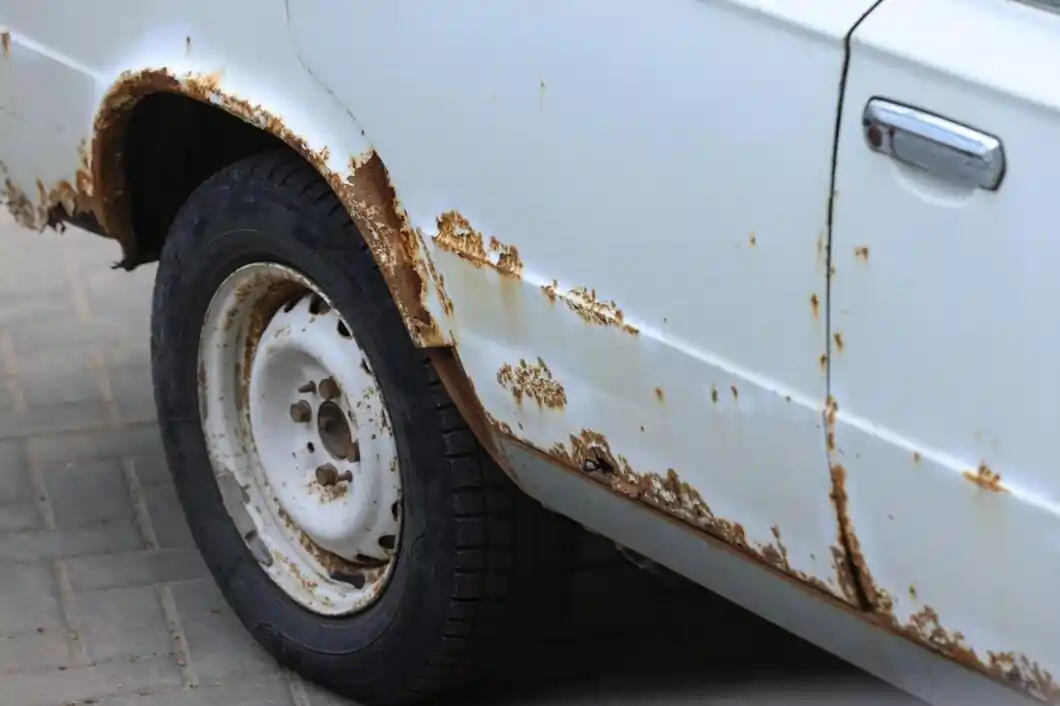
Why Ontario Cars Rust Out Faster: Road Salt and When to Scrap
Table of Contents Why Do Ontario Cars Rust Faster Than Other Provinces? How Does Road Salt Cause Rust? Calcium Chloride vs Sodium Chloride Car Damage Why Does Rust Start on the Underside of a Car? Surface Rust vs Structural Rust: How to Tell Them Apart Ontario Car Rust: Key Facts…
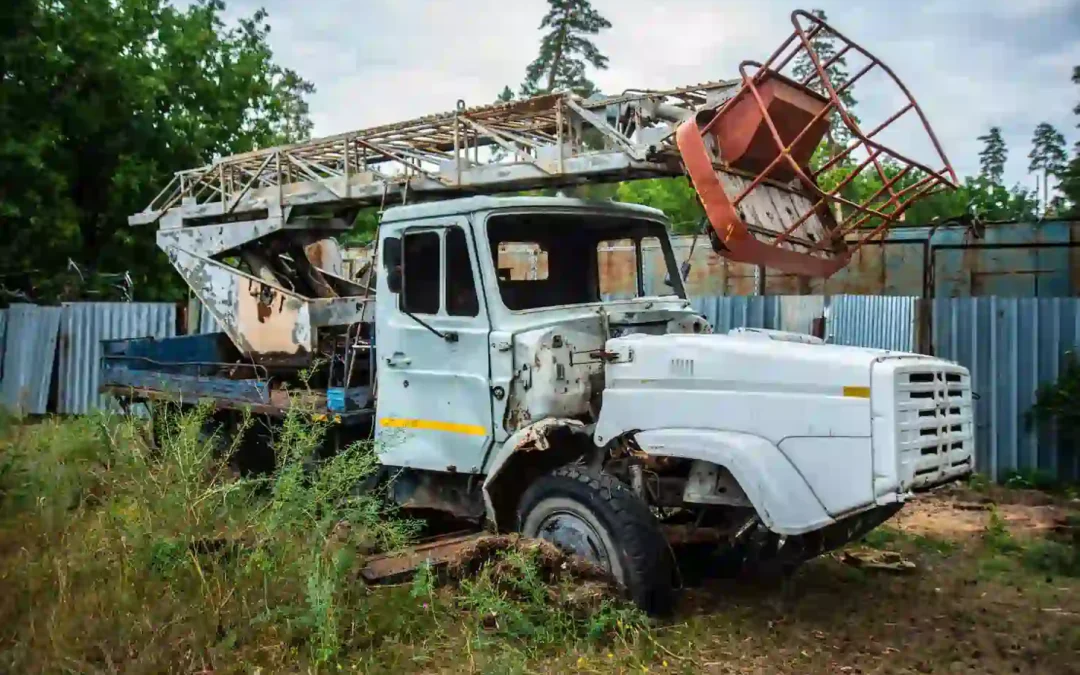
What Types of Vehicles Do Scrap Car Buyers Buy in Toronto?
Table of Contents Passenger Cars: Sedans, Hatchbacks & Coupes SUVs, Crossovers & Minivans Pickup Trucks & Light-Duty Trucks Commercial, Fleet & Heavy-Duty Vehicles Motorcycles, ATVs & Powersports Damaged, Non-Running & Salvage/Write-Off Vehicles Electric & Hybrid Vehicles: A Growing Category What Scrap Yards Typically Won\'t Take Vehicle Types Accepted — Quick…
What Are the Signs It Is Time to Scrap Your Car?
Table of Contents Introduction Sign #1 — When Car Repair Costs More Than Value in Ontario Sign #2 — High Mileage Beyond Practical Use Sign #3 - Declining Resale Value Sign #4 — Repeated and Cascading Breakdowns Sign #5 — Car Failing Ontario\'s Safety Standards Certificate Sign #6 — Structural…
Can I scrap a car with a lien in Ontario?
Table of Contents What Is a Lien on a Car? How to Check If Your Car Has a Lien in Ontario? Can You Scrap a Car with a Lien on It? The Legal Reality What Is a PPSA Lien on a Car in Ontario? What Happens If You Scrap a…
Lost, Stolen or Damaged Licence Plate in Ontario? Here’s Exactly What to Do Next
Table of Contents Why Number Plate Theft and Loss Happens — and Why It Matters Lost License Plate Ontario: Your Step-by-Step Checklist Stolen Licence Plate Ontario: What to Do the Moment You Notice Damaged License Plate Replacement: What Qualifies and What to Do How to Replace a Licence Plate at…