
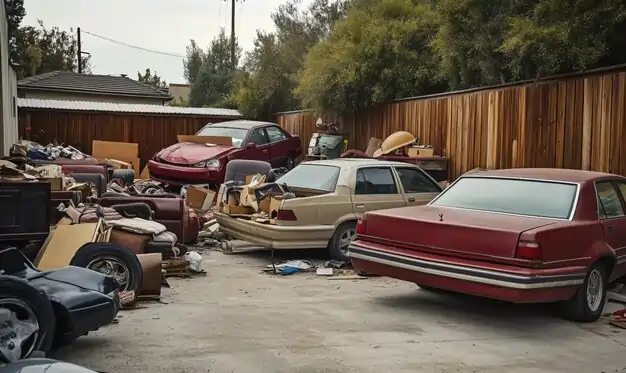
Junk car buyers in Toronto determine a vehicle’s value using five core factors: scrap metal weight, year/make/model, overall condition, salvageable parts (especially the catalytic converter), and live commodity prices. In Ontario, most scrap and end-of-life vehicles sell between CA$250 and CA$2,500, with typical Toronto passenger cars landing between $400 and $1,500 depending on weight, parts, and current metal prices. Rare cases such as late-model luxury cars written off in insurance accidents can reach several thousand dollars, but those are not the norm.
What Does a Junk Car Buyer Actually See When They Look at Your Vehicle?
Most people stare at a rusted-out car in their driveway and see a liability. Junk car buyers see something entirely different, a collection of recoverable assets with a calculable market value. They are not assessing what is broken. They are running a mental tally of scrap metal weight, parts demand, commodity prices, and resale potential, all in real time.
Once you understand the same framework buyers use, you can walk into any quote conversation with confidence instead of hoping the number sounds reasonable. This guide breaks down every factor including ones most sellers never think about so you know exactly what drives your offer up or down.
The 7 Factors That Determine Your Junk Car's Value
1. The Weight of the Vehicle
This is the baseline for most junk car quotes. Scrap metal is bought and sold by weight. Heavier vehicles like trucks, SUVs, and vans naturally fetch more than a small sedan. The current price of scrap steel in your region directly affects this number. When steel prices go up, your car’s base value goes up too. When they drop, so does your offer.
In Ontario, current scrap steel prices often fall around CAD $0.09 to $0.20 per pound for common auto grades, based on recent public steel price lists from Ontario recyclers such as Schmidt’s Auto Recycling and similar yards (updated Q1 2026).
A rough breakdown by vehicle type:
| Vehicle Type | Approximate Weight | Scrap Value Range (Estimate) |
|---|---|---|
| Small sedan (e.g., Honda Civic) | 2,500 to 3,000 lbs | $225 – $540 |
| Mid-size sedan (e.g., Toyota Camry) | 3,000 to 3,500 lbs | $270 – $630 |
| Compact SUV (e.g., Honda CR-V) | 3,200 – 3,800 lbs | $290 – $684 |
| Full-size SUV (e.g., Ford Explorer) | 4,500 – 5,500 lbs | $405 – $990 |
| Pickup truck (e.g., Ford F-150) | 4,500 – 6,000 lbs | $405 – $1,080 |
| Full-size van (e.g., Dodge Caravan) | 4,000 – 5,000 lbs | $360 – $900 |
Payouts by category differ, and motorcycles, commercial vans, and EVs are handled differently, so see how each of the vehicle types scrap buyers take in Toronto is processed.
Luxury vehicle (BMW, Audi, Mercedes) – $500 – $10,000 (higher end applies only to late‑model, high-value insurance write‑offs, not typical older junkers).
Note: These are scrap metal base estimates only. Salvageable parts, condition, and current market rates significantly affect final offers.
2. Year, Make, and Model
Not all cars are equal at the scrap yard or with a private junk buyer. A 2012 Honda Civic and a 2012 Ford F-150 will not get the same quote even if they weigh the same. Why? Because parts availability and demand differ. Vehicles with higher on-road populations mean more people need replacement parts. That drives up salvage value for those specific makes and models.
High-demand makes in the Canadian market include Honda, Toyota, Ford, and Chevrolet, vehicles with large ownership bases generate strong used parts demand that buyers factor directly into their offer. Conversely, rarer European or older domestic models may offer less parts value unless they have collector interest.
Older cars from the 80s or 90s with rare parts can also get a bump in value from collectors or specialty mechanics looking for hard-to-find components.
3. Condition of the Car
The overall condition of the vehicle strongly affects its value. A car that still runs usually receives a better offer because it suggests that key mechanical parts may still be usable. Buyers also check the physical condition of the body since heavy damage or rust can limit the number of parts that can be recovered.
Here is what buyers typically assess:
- Engine condition and whether the car starts or runs
- Transmission and drivetrain condition
- Body condition including rust or collision damage
- Condition of doors, windows, and interior parts
- Presence of valuable parts like the catalytic converter which can increase the vehicle’s value
- Tires and wheels: Tread depth and whether alloy rims are present
- Undercarriage: Flood damage signs, frame integrity
A non-running car with an intact body and good parts can still command a strong offer. Running condition is a bonus, not a requirement for value.
4. Mileage
High mileage is a value-reducer that your original article did not mention but every strong competitor covers it. Mileage indicates wear on mechanical components beyond what the eye can see. A 2012 Civic with 280,000 km has significantly more internal wear on its engine, transmission, and suspension than the same model with 130,000 km, and buyers adjust their parts recovery estimates accordingly.
That said, mileage is not automatically disqualifying. A high-mileage vehicle with an intact catalytic converter, undamaged body panels, and good tires can still receive a competitive offer. Buyers weigh mileage as one signal among many.
5. Salvageable Parts and Components
This is where buyers can really stretch the value beyond just scrap metal. Certain parts hold strong resale value in the used auto parts market. Buyers will mentally add this to their calculation when making you an offer.
Also Read: What are the most expensive parts of a scrap car?
High-value salvageable components include:
- Catalytic converters (precious metals inside)
- Engine and transmission (if still functional or low-mileage)
- Alternators and starters
- Side mirrors and doors
- Seats and interior panels in good condition
- Alloy wheels and tires with tread left
- Navigation or entertainment systems
- AC compressors and radiators
- Airbags (undeployed – significant resale value in the used parts market)
- Battery (especially in newer vehicles with good charge capacity)
Also Read: Can I Make More Money Taking a Scrap Car Apart Myself?
6. The Catalytic Converter: Your Car's Most Valuable Single Component
The catalytic converter deserves its own section because its value is widely misunderstood and often the difference between a low offer and a strong one.
As of January 2026, public metal indexes reported platinum, palladium, and rhodium prices in the rough range of $2,300, $1,800, and $10,000 per troy ounce respectively, which is why catalytic converters can be worth $100 to over $1,000 in scrap depending on type. (Source: ScrapMonster PGM Market Data, January 2026)
Depending on the vehicle make and converter type, the scrap payout for a single catalytic converter ranges from $100 to over $1,000+ in 2026. Larger vehicles with dual converters (common in full-size trucks and SUVs) can yield significantly more.
What if your catalytic converter has already been stolen?
This is unfortunately common in Toronto and across the GTA. A missing catalytic converter can reduce your total offer by $200 to $800 or more, depending on the vehicle. If your converter has been removed, disclose this upfront; reputable buyers will still make a fair offer based on remaining value, and full transparency prevents disputes during pickup.
Also Read: Where Can I Sell My Catalytic Converter for the Most Money
7. Current Scrap Metal Prices
Junk car buyers keep a close eye on commodity markets. Steel prices change regularly based on global demand. When the market is strong, buyers can afford to offer more. When it dips, offers tend to come in lower. This is why you might get two very different quotes for the same car just a few months apart. It is not always about your car. Sometimes it is just about the market.
To see which metals move your quote most, read our breakdown of why scrap car prices rise and fall week to week
Practical implication: If you are not in a rush, monitoring steel price trends for 4–8 weeks before selling can improve your offer. Steel prices historically firm up in Q1 and Q2 as construction season accelerates demand for structural materials.
Knowing how buyers calculate your quote is half the picture — for the other half, see how junk car buyers make money when they buy your car.
Knowing how a buyer calculates the offer is helpful; you may also want to understand the tax implications of your junk-car payout
Does Location Matter When it Comes to Car Scrapping?
Yes. More than most people realize. Local scrap yards set their own pricing. Towing and logistics costs vary by region. In areas with strong recycling infrastructure or active used parts markets, buyers can offer more because they have better channels to move the material.
If you are in a rural area far from a major scrap facility, expect slightly lower offers because of the added cost to transport your vehicle. Urban and suburban sellers generally have more competition among buyers, which works in their favor.
Within the GTA, sellers in North York, Scarborough, Etobicoke, Mississauga, and Brampton are well-served by multiple competing buyers. Even outer-ring areas like Markham, Richmond Hill, Whitby, and Ajax generally fall within competitive pickup zones for established Toronto buyers who cover the full GTA footprint.
What Reduces the Value of a Junk Car?
Just as certain things push the price up, others pull it down. Being aware of these before you call for a quote helps you set realistic expectations and spot if an offer seems unfairly low.
| Value Reducer | Impact Level | Why It Matters |
|---|---|---|
| Missing catalytic converter | High | Removes $200–$800+ of recoverable value immediately |
| Flood or fire damage | High | Limits recoverable parts severely; may create hazardous material costs |
| Previous stripping by owner | High | Removes most resalable components before the buyer arrives |
| No vehicle title or unclear ownership | High | Ontario law requires ownership documentation for legal transfer |
| Extremely high mileage (250,000+ km) | Medium | Signals heavy internal wear on key mechanical components |
| Heavy rust or structural damage | Medium | Limits body panel and interior part recovery |
| Missing or damaged engine | Medium | Removes a potential high-value resale component |
| Very old vehicle with low parts demand | Low–Medium | Parts market demand for pre-1990 common vehicles is limited |
Toronto Junk Car Price Ranges: What to Realistically Expect in 2026
Based on current Ontario scrap metal pricing, GTA market data, and vehicle type benchmarks, here are realistic ranges Toronto sellers can use as reference points:
| Vehicle Type | Typical Toronto Offer Range (2026) |
|---|---|
| Small sedan (non-running, basic condition) | $250 – $600 |
| Small sedan (running, good condition) | $500 – $1,200 |
| Mid-size sedan (average condition) | $400 – $900 |
| Pickup truck or full-size SUV | $500 – $5,000 |
| Luxury vehicle (BMW, Audi, Mercedes) | $500 – $10,000 |
| Van (e.g., Dodge Caravan, Ford Transit) | $300 – $3,700 |
| Electric or hybrid vehicle | $400 – $3,100 |
| Severely damaged, stripped, or flood vehicle | $150 – $500 |
See the complete price breakdown for scrapping a car in Toronto
These ranges are based on typical Ontario scrap steel pricing in early 2026, typical vehicle weights, and observed offers from GTA buyers. They are estimates for guidance only; your exact quote will depend on live metal prices and your car’s specific condition
Your exact quote will depend on live metal prices and your car’s specific condition. For a closer look at exactly how a licensed car scrap yard Toronto buyer turns these same factors into your actual phone quote — and how to spot a buyer who’ll lowball you at pickup — see our full guide comparing junk car buyers and scrap yards.
Final Word
Selling a junk car does not have to feel like guesswork. Once you understand what buyers are actually looking at, whether it is the scrap weight, the parts value, the model demand, or the current metal market, you can have an informed conversation and push back if an offer seems low.
The best way to put that leverage to use is by lining up multiple offers side by side — our guide on how to compare quotes for scrap car removal services online shows exactly how to do that
Once you understand how valuers price your vehicle, the next step is learning how to choose the best scrap car removal company in Toronto.
If you are in the Toronto area and want a quote, Scrap Car Buyer Toronto can walk you through how your vehicle is evaluated and what is driving the offer. The goal is a quick, transparent process without surprise fees or last‑minute changes.
Want a number before you call? Try our free scrap car value calculator for an instant estimate. Ready to find out what your car is actually worth? Get your cash for scrap car quote today and get paid the same amount quoted, with no surprises at pickup.
Frequently Asked Questions
Q1. Does a junk car have to run to have value?
No. A non-running vehicle can still have significant value based on its scrap metal weight, intact parts, and the condition of high-value components like the catalytic converter, alloy wheels, and body panels. Most Toronto junk car buyers quote non-running vehicles regularly and include free towing. For a full price breakdown by vehicle type, see what you can actually get for a car that won’t start
Q2.Will scrap buyers come and pick up a car that won't move or start?
Yes. Licensed scrap car removal companies in Toronto provide free flatbed tow truck pickup directly from your driveway, garage, or storage location. You do not need to tow the vehicle anywhere or make it operational. The buyer arrives, loads the car, hands you cash, and takes the ownership document. Most companies offer same-day or next-day pickup, and the entire process from first call to completed removal typically takes less than 24 hours.
Q3. Does a blown engine, dead battery, or transmission failure lower my scrap offer?
For many scrap-focused buyers, a blown engine or failed transmission does not dramatically change the offer because they are mainly valuing the metal and remaining parts. However, buyers who resell more mechanical components may offer a bit less for major drive‑train failures, so you can expect some variation between companies.
Q4. What documents do I need to sell a non-running car in Ontario?
You need the Ontario vehicle ownership permit (vehicle registration document) to legally transfer a non-running vehicle to a licensed buyer. Under Ontario’s End-of-Life Vehicles regulation (O. Reg. 85/16) and the Highway Traffic Act, licensed recyclers are required to verify ownership before completing a purchase. You should also remove your license plates before pickup and return them to ServiceOntario yourself; the tow truck driver does not handle plates. If you’ve misplaced your ownership, a replacement is available through any ServiceOntario location.
Q5. Is it worth repairing a car before selling it for scrap?
For most older vehicles, no. Repair costs rarely produce an equivalent increase in scrap or resale value. For example, a head gasket repair costing $1,800 may raise a car’s private resale value to $2,500, a net gain of $700. Scrapping the same car as-is could return $500–$700 with zero upfront investment. The exception is a vehicle with strong private resale demand after repairs such as a newer model in good condition where the math genuinely favours fixing before selling privately.
Q6. How do scrap metal prices affect what I'm paid for my car?
Scrap car offers in Toronto are directly tied to live commodities market pricing. As of March 2026, shredded scrap steel in Ontario was trading at approximately CAD $520–$565 per metric tonne, according to SMASH Recycling and ScrapMonster’s Ontario index. When steel and aluminum prices rise, scrap car offers increase. When they dip, offers follow. This is why two sellers with identical vehicles can receive different amounts depending on the week they call. Requesting a quote on a strong-market week can genuinely result in a higher offer.
Q7. Why does waiting longer cost me more money?
A non-running car loses parts value over time even if the market remains stable. Catalytic converter theft is common on vehicles parked for extended periods. Tires crack and lose resale value. Batteries discharge and become unsellable. Fluids deteriorate and can create environmental liability. In some Toronto neighbourhoods, extended street or driveway storage can also attract municipal notices or storage complaints. The vehicle’s market value stays relatively flat, but the car’s actual parts condition declines, which reduces your final offer the longer you wait.
Q8. Can I sell a car for scrap if it has fire or flood damage?
Yes, but expect a modestly lower offer compared to a car in standard worn condition. Fire and flood damage accelerates structural corrosion, reduces the viability of salvageable parts, and can compromise metal yield. That said, the vehicle still has recoverable steel, aluminum, and copper wiring. A fire-damaged or flood-damaged car is not worthless; most licensed Toronto scrap buyers will still purchase it and offer a quote based on what remains recoverable. Always disclose the damage type when requesting your quote.
Related Posts

Sworn Statement for Vehicle Transfer in Ontario: Full Guide
Table of Contents Which Sworn Statement Do You Need? (1157E vs. 1155E) Who Qualifies for a Tax-Free Family Gift Documents to Bring to ServiceOntario How to Transfer Ownership of a Car in Ontario: Step by Step How to Sign Over Ownership of a Car (Donor Checklist) How to Fill Out…
Buying a Salvage Title Car in Ontario: Risks, Costs & Red Flags
Table of Contents What Is a Salvage Title on a Car? Ontario\'s Vehicle Brands: Salvage vs. Rebuilt vs. Irreparable Why a Car Gets Branded Salvage in the First Place Going From Salvage to Rebuilt: The Ontario Process Where Salvage Title Cars Come From: Auctions in Ontario The Real Risks of…
Title Jumping in Ontario: What Every Car Seller Needs to Know
Table of Contents What Is Title Jumping? Is Title Jumping Illegal? Is It a Crime? How to Properly Transfer Car Ownership in Ontario What Happens If You Don\'t Transfer Ownership If the Seller Won\'t Transfer the Title How to Report Suspected Title Jumping or Fraud How to Avoid Title Jumping…
Vehicle Bill of Sale Ontario: Why It’s Important & How to Get One
Table of Contents What Is a Vehicle Bill of Sale? Why a Bill of Sale Is So Important in Ontario Ontario\'s Legal Requirements Where to Get a Bill of Sale in Ontario How to Write a Bill of Sale for a Vehicle Bill of Sale vs. Car Sale Purchase Agreement…
The Certificate of Destruction: Your Legal Proof When a Car Is Scrapped
Table of Contents What is a certificate of destruction? Why Do You Need a Certificate of Destruction? Certificate of Destruction in Ontario: RPRA vs. EASR Do I Need a Certificate of Destruction to Scrap My Car in Ontario? What Documents Do I Need to Scrap My Car in Canada? What…

Free Ontario Used Vehicle Bill of Sale Template (2026)
Table of Contents What Is a Bill of Sale, and Do You Actually Need One in Ontario? What has to be on a Used Vehicle Bill of Sale As-Is vs. Certified - Which Box Do You Check? How to Fill Out a Used Vehicle Bill of Sale Not Selling Privately?…
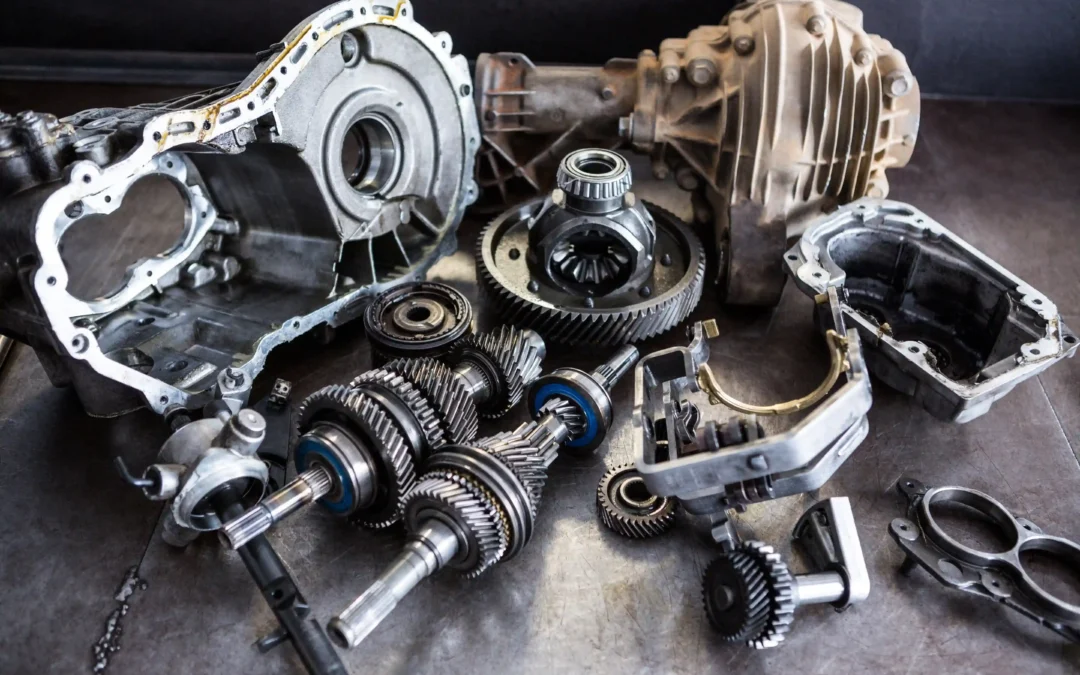
What Is a Scrap Transmission Worth in Canada?
Table of Contents How Much Is a Transmission Worth for Scrap in Toronto? Scrap Transmission Price Per Pound in Ontario Aluminum vs. Steel Transmission Scrap Price Automatic vs. Manual vs. CVT Scrap Value How Much Do Transmissions Weigh? Scrap Value vs. Transmission Cost What Affects the Price? Where to Sell…
What Is an Electric Motor from a Scrap Car Worth in Canada?
Table of Contents How Much Is an Electric Motor from a Scrap Car Worth Right Now? Car With a Blown Motor vs. Selling Electric Parts Separately What Actually Drives Electric Motor Scrap Prices Electric Motors Found in a Car — and What Each One Is Worth Who\'s Asking This, and…
Catalytic Converter Theft Is Hitting Toronto Hard — What to Do If Yours Is Targeted
Table of Contents Why Toronto Is a Hotspot for Catalytic Converter Theft How to Tell If Your Catalytic Converter Was Stolen Will your car start if someone steals your catalytic converter? What should I do if someone steals my catalytic converter? Why Catalytic Converters Are Stolen (And What Thieves Do…

Where to find customer reviews for scrap car parts retailers in Canada?
Table of Contents Why Review Research Matters Before You Sell to a Scrap Yard Best Websites to Read Scrap Yard Reviews Are Google Reviews Reliable for Auto Salvage Yards? Is BBB Good for Checking Scrap Car Buyers? How Do I Know If a Scrap Yard Is Legit? What to Look…