
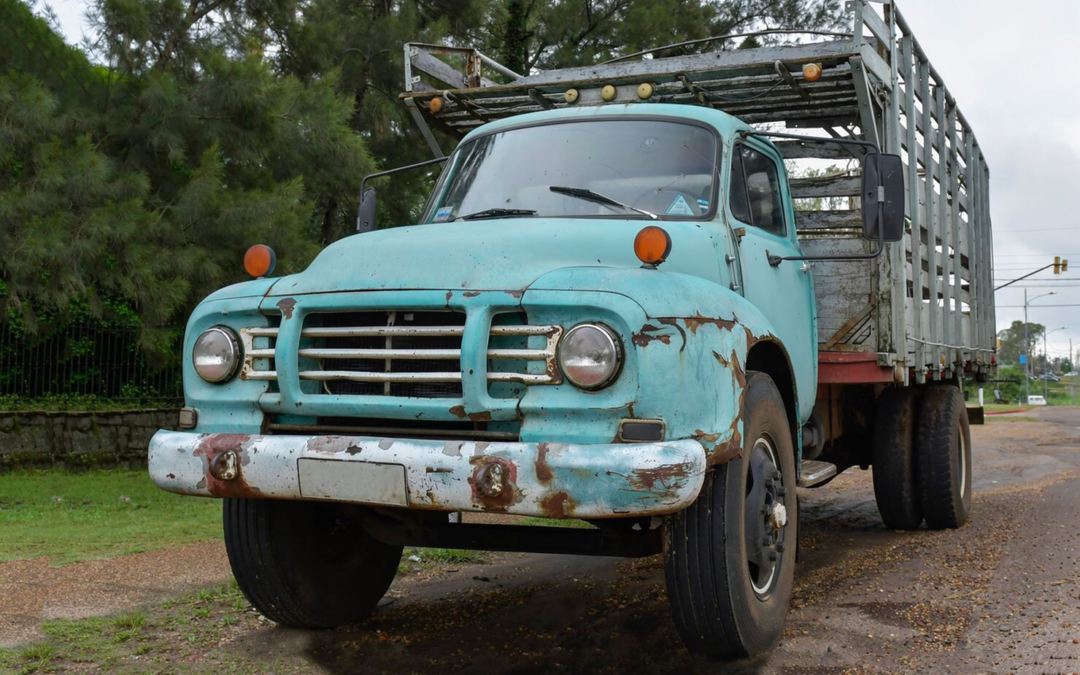
Table of Contents
- Scrap car buyer, auto wrecker or scrap yard: what’s the difference?
- Who pays more: a scrap yard or a junk car buyer?
- How much do auto wreckers pay for a pickup truck?
- What makes a broken pickup different from a broken car
- Who buys broken pickup trucks?
- Is it better to sell a broken pickup to a wrecker or a scrap buyer?
- Ontario paperwork for selling a broken pickup
- Red flags, and how to get the best offer
- Quick comparison: scrap car buyer vs auto wreckers vs scrap yard
- Frequently Asked Questions
For most broken-down pickups in Toronto and the GTA, the best way to sell is to a licensed scrap car buyer that also dismantles and recycles trucks. You get one price that covers parts and metal, towing, and paperwork help. A standard auto wrecker can pay more when the truck is mostly intact, has in-demand parts, and you can wait for an inspection. A scrap yard that pays by weight is usually the weakest option, unless the truck is already stripped and you can deliver it yourself.
The rest of this guide explains why, what a pickup is really worth, and what Ontario expects from you on sale day. It’s for Toronto-area owners whose truck won’t run, was hit in a collision, or costs more to fix than it’s worth. That includes work trucks, family pickups and business vehicles.
Scrap car buyer, auto wrecker or scrap yard: what’s the difference?
These labels are used loosely, and many companies blend them. What matters is what happens to your truck and how you build the offer.
Scrap car buyer (junk car buyer)
Buys end-of-life vehicles from the public, quotes by phone, tows the truck, and pays at pickup. Some resell your truck to someone else. Others process it themselves.
Auto wrecker (dismantler)
Takes vehicles apart, sells the used parts (engines, transmissions, axles, doors, tailgates), then sends the shell for metal recycling. The offer reflects what your truck’s parts can earn.
Scrap yard
Treats the truck mainly as metal. It weighs it, applies the going rate, and often expects you to deliver the truck or pay for the tow.
So scrap yard vs. junk car buyer is really a weight-based price against a whole-vehicle price. Cash for cars vs auto wreckers is less of a contest than it sounds. “Cash for cars” describes how you get paid, while “wrecker” describes what happens to the truck afterward. Auto wreckers vs scrap car removal works the same way: removal is the pickup service, and wrecking is the processing.
This matters beyond price. In Ontario, a vehicle can’t be sheared, crushed or shredded until its batteries, fluids, tires, and mercury switches have been removed, and end-of-life vehicle sites are registered with the province. If a buyer can’t tell you who handles that, keep looking. In Toronto, second-hand salvage yards also hold a city licence. You can check the City’s licensing requirements and ask any company for its licence number.
Who pays more: a scrap yard or a junk car buyer?
Neither wins every time, and anyone promising “we always pay more” is selling something. Three things set the number.
1. Weight. Complete-vehicle scrap in Ontario has been priced at roughly C$200 to C$350 per tonne in 2026, and it shifts week to week. On that range, here is the metal-only math:
- 4,500 lb pickup (about 2 tonnes): roughly $410 to $715
- 5,000 lb pickup: roughly $455 to $795
- 6,500 lb heavy-duty pickup: roughly $590 to $1,030
That’s our arithmetic, not a quote. It’s before towing and parts.
2. Parts. A weight-only yard pays the same for a truck with a healthy engine as for one with a seized block. A wrecker, or a buyer who also recycles, prices what the truck can resell. Intact trucks with popular parts earn more.
3. Deductions. A full-size truck needs the right tow equipment. If a yard charges for it, a modest offer shrinks fast.
The verdict: A buyer or wrecker that values parts usually beats weight-only pricing when the truck still has saleable parts. A scrap yard can match or beat them when the truck is a stripped, burned or flooded shell and the yard is close enough that towing is cheap. Compare the cash you actually receive, not the headline number.
How much do auto wreckers pay for a pickup truck?
Published 2026 Ontario price guides put full-size pickups at roughly $500 to $2,500, depending on parts and the catalytic converter. The top of that range goes to newer, complete trucks with strong parts demand. The bottom goes to rusted, stripped or heavily damaged ones. Treat any range as a guide. Model year, drivetrain, rust and location can move your offer more than the scrap rate does.
What makes a broken pickup different from a broken car
Most competitor guides talk about “cars” and stop there. Pickups have their own value drivers:
- Weight. Half-ton trucks commonly run from about 4,000 to 5,500 lb depending on cab, engine, and drivetrain, and heavy-duty trucks are often heavier. More metal means a higher floor price than a compact sedan.
- Aluminum bodies. Ford’s F-150 uses a high-strength steel frame with an aluminum alloy body. A dismantler can sell cabs, beds, and panels as parts or sort the aluminum, while a weight-only buyer lumps it all together.
- Catalytic converters. Trucks often carry larger or multiple units. Market guides put a converter’s value between roughly $75 and $220 in some surveys and $150 to $500 in others. Leave it attached, because a missing converter lowers offers.
- Drivetrain parts. 4×4 transfer cases, axles, diesel engines, and transmissions all resell, which is why a seized engine doesn’t always kill the value.
- Hybrid and electric trucks. High-voltage batteries need special handling, so confirm the buyer accepts them before booking.
- Pickup logistics. Lifted trucks, dual-rear-wheel trucks, and tight driveways affect the tow. Tell the buyer upfront so the quote holds on pickup day.
- Add-ons. Tonneau covers, toppers, tool boxes, and aftermarket wheels can often be sold separately. Ask whether your quote includes them before you remove anything.
Who buys broken pickup trucks?
Beyond the three business types above, you have a few more routes:
- Scrap car buyer for a broken pickup: the fastest route for non-running trucks. Pickup and payment are usually handled in one visit.
- Auto wreckers that buy broken trucks: good for newer or low-mileage trucks with strong parts demand. Expect a closer inspection and possibly a slower timeline.
- Private buyer or mechanic: can pay more for a repairable truck, but you take on the paperwork. Selling a used vehicle privately legally requires giving the buyer a Used Vehicle Information Package (UVIP).
- Insurance settlement: if the truck was written off, your insurer may take it. That has its own rules (see the paperwork section).
- Dealer trade-in: most dealers don’t want a non-running truck, so don’t count on a good offer.
Is it better to sell a broken pickup to a wrecker or a scrap buyer?
Match the route to the truck:
- Seized engine or blown transmission, but the body is solid: get a wrecker quote and a buyer quote. The remaining parts carry real value.
- Collision damage: a buyer-recycler is usually the simplest. Check the vehicle’s brand first (see below).
- Fire, flood, heavy rust, or already stripped: parts value is mostly gone, so a weight-based buyer or yard is fair. Just count the towing.
- Need it gone this week: choose a buyer who tows and pays on pickup.
- Business-owned truck: use a buyer who is comfortable with company ownership documents.
Ontario paperwork for selling a broken pickup
Whichever route you pick, these basics apply:
1. Sign the ownership. On the green permit, complete and sign the Application for Transfer on the back of the vehicle portion and hand it over.
2. Keep your plates. In Ontario, plates and the plate portion of the permit stay with you, not the truck. Remove them before pickup.
3. Check for liens. Make sure no money is owing on the vehicle. A lien needs to be cleared before a clean sale.
4. Ask about the UVIP. The rule above covers used-vehicle sales to drivers. Ask your buyer whether they need one for a truck headed to dismantling.
5. Keep a bill of sale or receipt with the VIN, date, buyer name and price.
6. Cancel or adjust insurance after the truck leaves, not before. Ask your insurer about any refund.
7. Lost permit? It can be replaced at a ServiceOntario centre for a fee.
If an insurer wrote the truck off, check its brand. An “Irreparable” vehicle can only be used for parts or scrap and can never be driven again in Ontario, and a “Salvage” vehicle can’t be plated until it passes inspection and is rebuilt. The ministry’s vehicle branding page explains both. For the selling steps themselves, see ServiceOntario’s guide to buying or selling a used vehicle.
Also Read: What documents do I need to scrap my car legally in Canada?
Red flags, and how to get the best offer
Walk away if a buyer:
- Quotes without asking the year, make, model, or condition
- Says to “forget the paperwork”
- Drops the price once the tow truck arrives
- Won’t say where the truck goes or who processes it
- Pays cash with no receipt
To get the best offer:
- Get two or three quotes in writing (text or email counts).
- Describe the truck honestly, including what’s missing or damaged.
- Ask what gets deducted: towing, fees, anything else.
- Confirm payment method and timing before the driver arrives.
- Take photos of the truck before it’s loaded.
- Pull personal items, toll transponders, and registration papers you need to keep.
Also Read: What are common red flags to watch out for when dealing with vehicle scrap services?
Quick comparison: scrap car buyer vs auto wreckers vs scrap yard
| Factor | Scrap car buyer (licensed recycler) | Auto wrecker | Scrap yard |
|---|---|---|---|
| How the price is set | Parts plus metal, one quote | Mainly what parts will resell for | Weight times current metal rate |
| Towing | Often included, so confirm | Varies, so ask | Often your cost or drop-off |
| Best for | Non-running or damaged pickups | Newer, intact trucks with parts demand | Stripped, burned or flooded shells |
| Paperwork help | Usually | Varies | Usually minimal |
| Watch out for | Middlemen who resell without saying so | Slower inspection, offers that drop | Tow fees and low weight-only pricing |
Final thoughts
For a broken pickup, price isn’t just weight. It’s weight, parts, towing and how clean the paperwork is. Start with a licensed buyer who recycles trucks, then compare that quote against one wrecker and, if the truck is stripped, one scrap yard.
Scrap Car Buyer Toronto is a licensed Ontario auto recycler with 25+ years in the business. See our scrap car removal in Toronto service for pickup details, or read how a cash for scrap car offer works. For a quote on your pickup, call (416) 540-7989 with the year, make, model, condition and location.
Frequently Asked Questions
Q1. Is a scrap car buyer the same as an auto wrecker?
Not a full one. Free tools cover VIN decoding, recalls, stolen status, and write-offs. Full accident and lien history comes from a paid report, a UVIP, or a dealer who supplies one.
Q2. Who buys broken pickup trucks in Toronto?
Scrap car buyers, auto wreckers, scrap yards, and, for repairable trucks, private buyers. Insurers take written-off trucks. A buyer that handles towing and ownership paperwork is the most convenient choice.
Q3. Can I sell my broken pickup truck for cash if it doesn’t run?
Yes. Non-running trucks sell routinely, usually with a tow. Be upfront about the condition and where it’s parked so the quote holds.
Q4. Is it better to sell a broken car to a wrecker or scrap buyer?
If the truck has saleable parts, get both quotes. If it’s a stripped shell, the difference mostly disappears, so choose on net cash and convenience.
Q5. Do I need the ownership permit?
Yes. Ontario buyers need the signed vehicle portion of the permit. If you’ve lost it, you can have it replaced at ServiceOntario before you sell.
Q6. Will a buyer take a truck with a lien? Money owing on the vehicle needs to be sorted out first. Check with your lender and the buyer before booking pickup.
Q7. Does a missing catalytic converter change the price?
Usually, yes. It’s one of the higher-value components, so offers tend to drop without it. Tell the buyer upfront.
Q8. Should I drain the fluids or pull the tires myself?
Generally no. Licensed processors handle fluids and tires under Ontario’s end-of-life vehicle rules. Ask your buyer before doing anything yourself.
Q9. What’s the best way to sell a broken pickup truck for cash?
Compare two or three written quotes from licensed buyers, confirm towing and payment terms, have your permit ready, and remove your plates. That’s the quickest route to a fair price.
Related Posts

How to Get a Free Vehicle History Report in Canada
Table of Contents What You Can Check for Free Ontario vehicle history report: the UVIP What dealers must tell you in Ontario ICBC vehicle history report (B.C. cars) When a paid report is worth it Summary table How to read the results Searching “MOT check”? Read this Frequently Asked Question…

Sworn Statement for Vehicle Transfer in Ontario: Full Guide
Table of Contents Which Sworn Statement Do You Need? (1157E vs. 1155E) Who Qualifies for a Tax-Free Family Gift Documents to Bring to ServiceOntario How to Transfer Ownership of a Car in Ontario: Step by Step How to Sign Over Ownership of a Car (Donor Checklist) How to Fill Out…
Buying a Salvage Title Car in Ontario: Risks, Costs & Red Flags
Table of Contents What Is a Salvage Title on a Car? Ontario\'s Vehicle Brands: Salvage vs. Rebuilt vs. Irreparable Why a Car Gets Branded Salvage in the First Place Going From Salvage to Rebuilt: The Ontario Process Where Salvage Title Cars Come From: Auctions in Ontario The Real Risks of…
Title Jumping in Ontario: What Every Car Seller Needs to Know
Table of Contents What Is Title Jumping? Is Title Jumping Illegal? Is It a Crime? How to Properly Transfer Car Ownership in Ontario What Happens If You Don\'t Transfer Ownership If the Seller Won\'t Transfer the Title How to Report Suspected Title Jumping or Fraud How to Avoid Title Jumping…
Vehicle Bill of Sale Ontario: Why It’s Important & How to Get One
Table of Contents What Is a Vehicle Bill of Sale? Why a Bill of Sale Is So Important in Ontario Ontario\'s Legal Requirements Where to Get a Bill of Sale in Ontario How to Write a Bill of Sale for a Vehicle Bill of Sale vs. Car Sale Purchase Agreement…
The Certificate of Destruction: Your Legal Proof When a Car Is Scrapped
Table of Contents What is a certificate of destruction? Why Do You Need a Certificate of Destruction? Certificate of Destruction in Ontario: RPRA vs. EASR Do I Need a Certificate of Destruction to Scrap My Car in Ontario? What Documents Do I Need to Scrap My Car in Canada? What…

Free Ontario Used Vehicle Bill of Sale Template (2026)
Table of Contents What Is a Bill of Sale, and Do You Actually Need One in Ontario? What has to be on a Used Vehicle Bill of Sale As-Is vs. Certified - Which Box Do You Check? How to Fill Out a Used Vehicle Bill of Sale Not Selling Privately?…
What Is a Scrap Transmission Worth in Canada?
Table of Contents How Much Is a Transmission Worth for Scrap in Toronto? Scrap Transmission Price Per Pound in Ontario Aluminum vs. Steel Transmission Scrap Price Automatic vs. Manual vs. CVT Scrap Value How Much Do Transmissions Weigh? Scrap Value vs. Transmission Cost What Affects the Price? Where to Sell…
What Is an Electric Motor from a Scrap Car Worth in Canada?
Table of Contents How Much Is an Electric Motor from a Scrap Car Worth Right Now? Car With a Blown Motor vs. Selling Electric Parts Separately What Actually Drives Electric Motor Scrap Prices Electric Motors Found in a Car — and What Each One Is Worth Who\'s Asking This, and…
Catalytic Converter Theft Is Hitting Toronto Hard — What to Do If Yours Is Targeted
Table of Contents Why Toronto Is a Hotspot for Catalytic Converter Theft How to Tell If Your Catalytic Converter Was Stolen Will your car start if someone steals your catalytic converter? What should I do if someone steals my catalytic converter? Why Catalytic Converters Are Stolen (And What Thieves Do…

Your eco-friendly choice for clutter-free driveways and fuller wallets!
Business Hours
Mon-Sun: 8am – 9pm
Areas we served
Your eco-friendly choice for clutter-free driveways and fuller wallets!
Business Hours
Mon-Sun: 8am – 8pm